Showing Results Containing
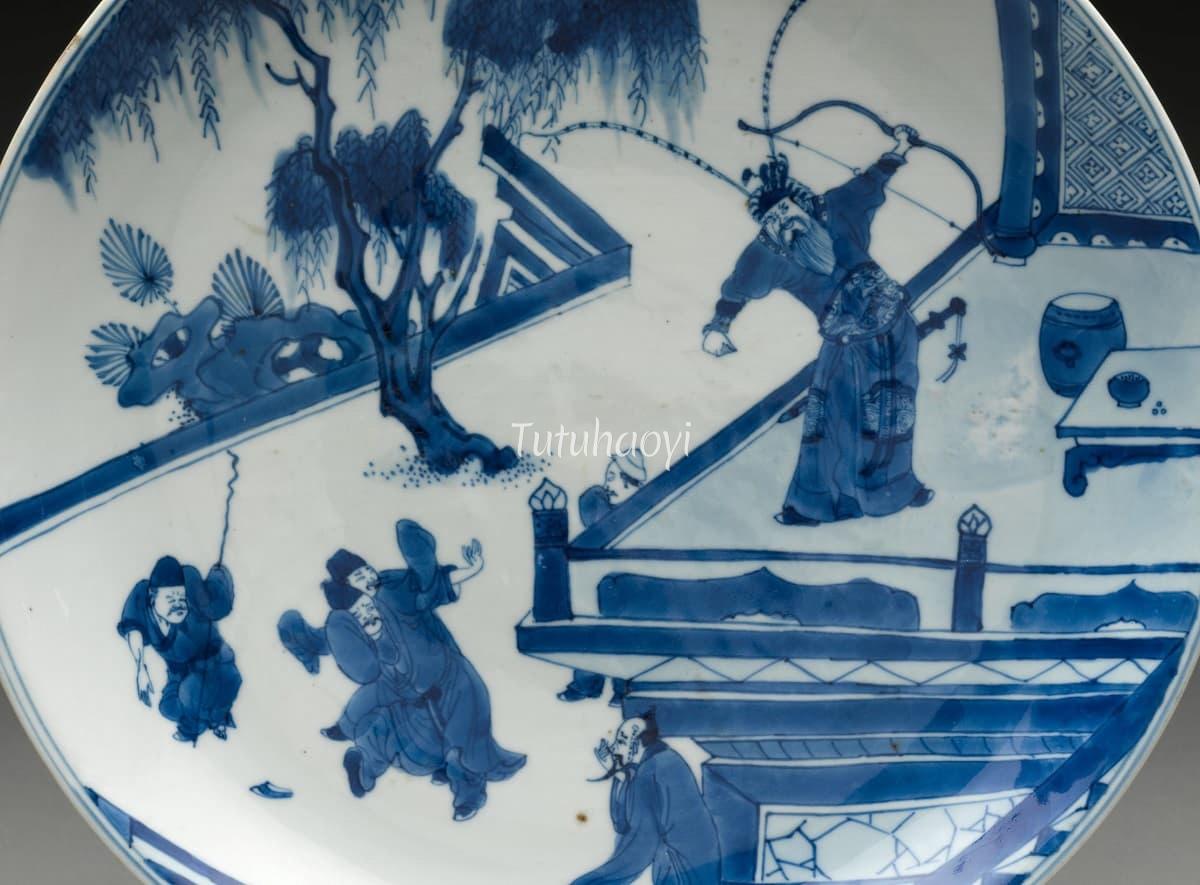
Story scenes painted on Chinese porcelains are sometimes mysterious and challenging to understand. Dr Yibin Ni, whose specialised research is to demystify figures and story scenes, and decode motifs, symbols and pun rebuses in Chinese art, is here...
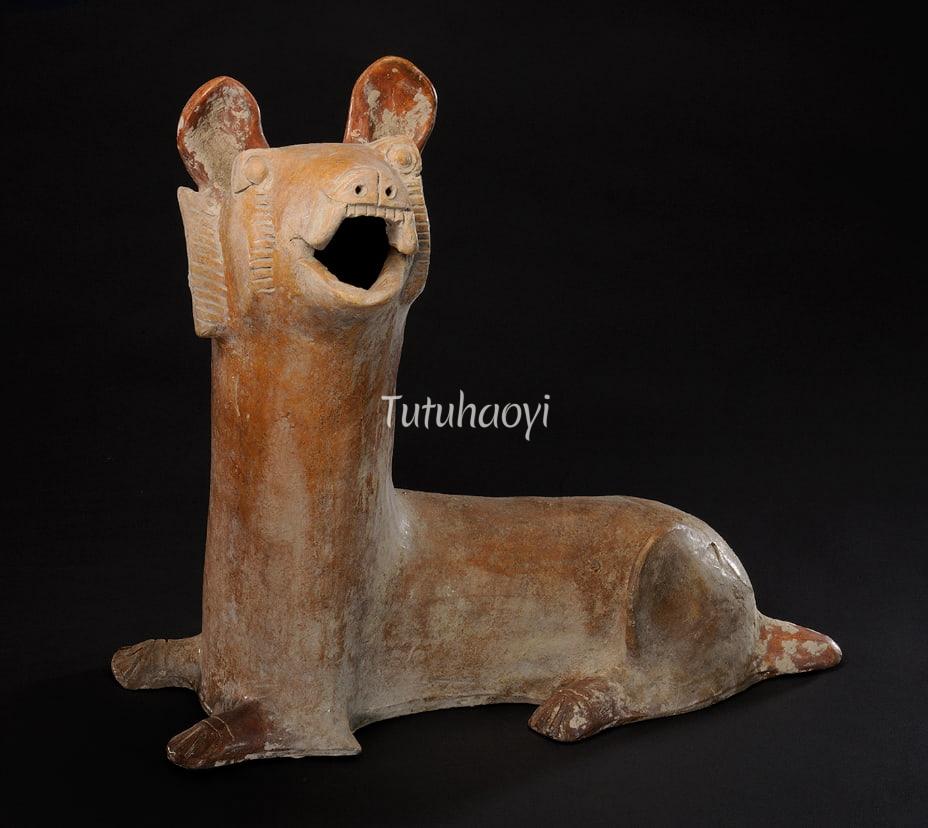
The character 犬 quan (‘dog’) remains remarkably close to its pictographic origin: a simple yet instantly recognisable depiction of an animal with erect ears and a high curling tail, characteristic of the sturdy chow chow and other common Chinese breeds. Over centuries of script development, the form gradually be...

When the old duke of Jin (晋) passed away, his heir was still in the cradle. It was with the powerful minister Zhao Dun (赵盾)’s support that he succeeded in ascending the throne. Unfortunately, the young duke, who was posthumously given the title Duke Ling of Jin, Jìn Líng Gōng (晋灵公, ? – 607 BCE), became increasingly the o...
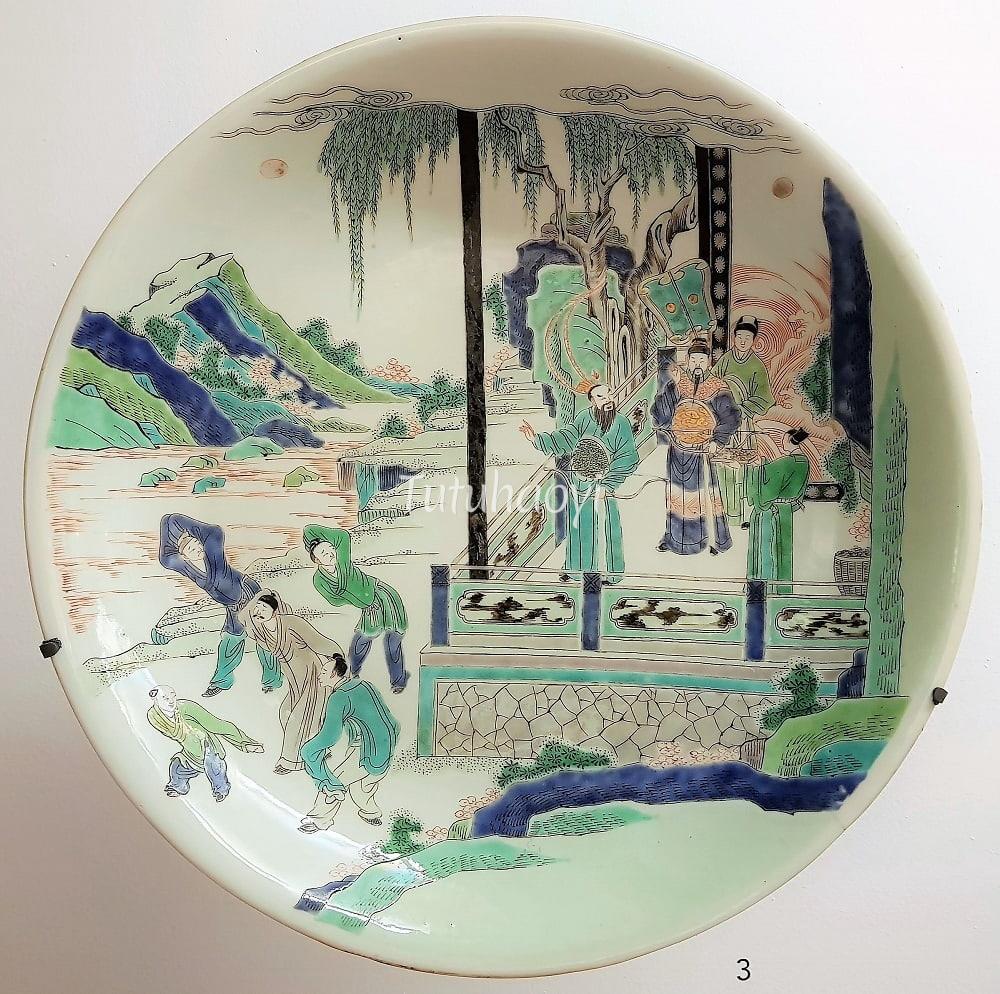
The young duke of the State of Jin (晋) who was posthumously given the title Duke Ling of Jin, Jìn Líng Gōng (晋灵公, ? – 607 BCE), has been known as a ‘ruler who does not deserve his title (bu jun 不君)’. His despotic behaviour was enumerated in the records by historiographers. For example, he levied heavy taxes to b...