Butterfly
蝴蝶
© Tutuhaoyi.com owns the copyright of the description content for the images attached. Quoting all or part of the description content on this page is permitted ONLY IF ‘Tutuhaoyi.com’ is clearly acknowledged anywhere your quote is produced unless stated otherwise. (本页描述内容版权归Tutuhaoyi.com所有,转发或引用需注明 “Tutuhaoyi.com”, 侵权必究, 已注开源信息的条目除外。)
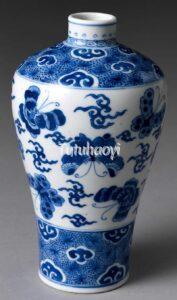
Butterflies in ancient Chinese art were not merely natural insects, but were also widely invested with auspicious symbolism. In Chinese, the word dié 蝶 in Hú dié 蝴蝶 (butterfly) is a homophone of dié 耋, a term referring to advanced age. The ancient dictionary Erya states that ‘eighty years of age is called dié 耋’. As a result, butterfly motifs were commonly used as symbols of longevity, especially when depicted in large numbers. Designs featuring numerous butterflies often conveyed wishes for long life and old age, as seen in themes such as ‘Hundred Butterflies 百蝶’ and ‘Xuān Dié 萱耋’.
The character dié 蝶 in ‘butterfly’ is also phonetically the same as dié 瓞 in the expression Gua Die Mian Mian 瓜瓞绵绵. For this reason, butterflies were frequently combined with melons and vines in traditional Chinese imagery, symbolising flourishing descendants and an enduring family lineage spreading like trailing melon vines.
Because butterflies are often seen flying in pairs, they also became symbols of love and marriage. The well-known tale of Liang Shanbo and Zhu Yingtai transforming into butterflies profoundly influenced later Chinese art and literature, and paired butterfly motifs consequently came to represent marital harmony and devoted love.
Butterflies were also associated with dreams and transformation. The most famous example is the Daoist story of ‘Zhuang Zhou Dreaming of a Butterfly’. In the Zhuangzi, Zhuang Zhou dreams that he has become a butterfly, and upon waking wonders whether he is Zhuang Zhou who dreamt of being a butterfly, or a butterfly dreaming of being Zhuang Zhou. The story later became a classic philosophical metaphor in Chinese thought for the blurred boundary between illusion and reality, and for the dreamlike nature of human existence.
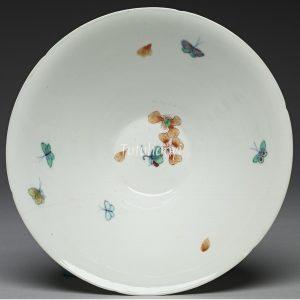
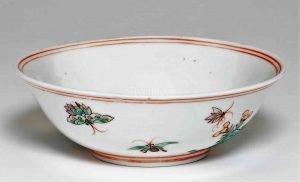
Fig 1: porcelain bowl with overglaze enamelled decoration, Chenghua period (1465–87), Ming dynasty, courtesy of the National Palace Museum, Taipei
Fig 2: porcelain bowl with overglaze enamelled decoration, Jiajing period (1521–67), Ming dynasty, courtesy of the Art Institute of Chicago
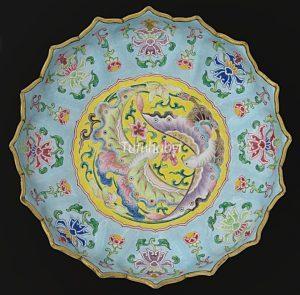
Fig 3: copper plate with enamelled decoration, Kangxi period (1662–1722), Qing dynasty, courtesy of the Palace Museum, Beijing
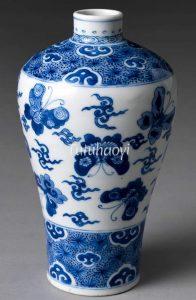
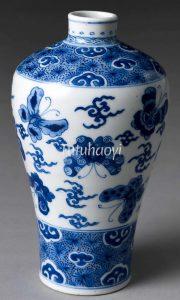
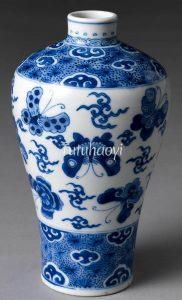
Fig 4-7: porcelain vase with underglaze cobalt blue decoration, Kangxi period (1662–1722), Qing dynasty, courtesy of the Metropolitan Museum of Art, New York
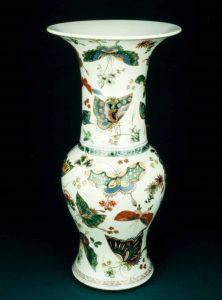
Fig 8: famille verte porcelain vase, Kangxi period (1662–1722), Qing dynasty, courtesy of Minneapolis Institute of Art
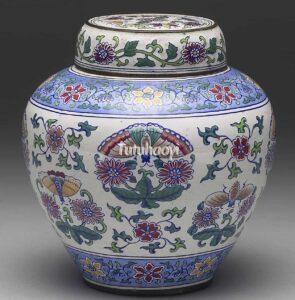
Fig 9: copper lidded jar decorated with polychrome enamels, Yongzheng period (1723–35), Qing dynasty, courtesy of the National Palace Museum, Taipei
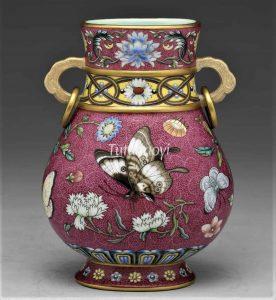
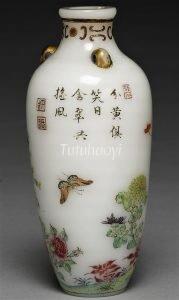
Fig 10: porcelain vase with enamelled decoration, Qianlong period (1736–95), Qing dynasty, courtesy of the National Palace Museum, Taipei
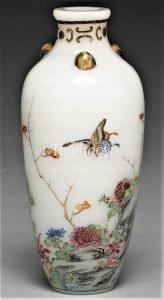
Fig 11-12: glass bottle with painted enamels, Qianlong period (1736–95), Qing dynasty, courtesy of the National Palace Museum, Taipei
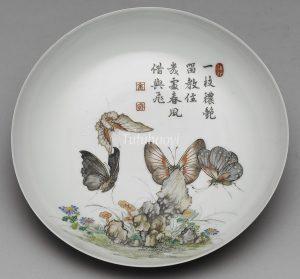
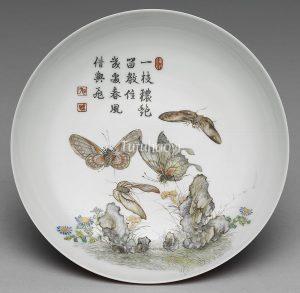
Fig 13-14: two porcelain dishes with enamelled decoration, Qianlong period (1736–95), Qing dynasty, courtesy of the National Palace Museum, Taipei
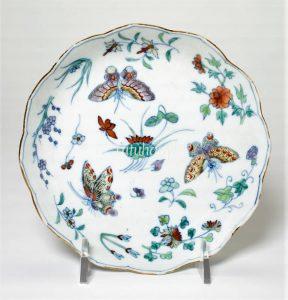
Fig 15: porcelain dish with underglaze blue and overglaze enamelled decoration, Daoguang period (1821–50), Qing dynasty, courtesy of the Art Institute of Chicago
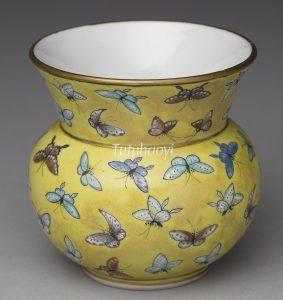
Fig 16: porcelain pot with fencai decoration on a yellow ground, Tongzhi period (1862–74), Qing dynasty, courtesy of the National Palace Museum, Taipei
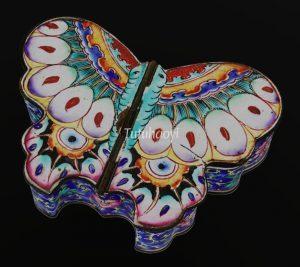
Fig 17: butterfly-shaped container with enamelled decoration, late Qing dynasty (1644–1911), courtesy of the Palace Museum, Beijing
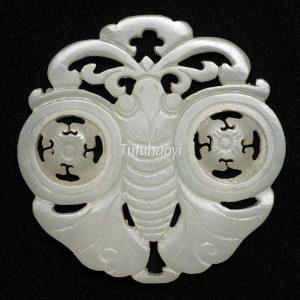
Fig 18: jade tablet, 19th – early 20th century, courtesy of the National Palace Museum, Taipei