Showing Results Containing
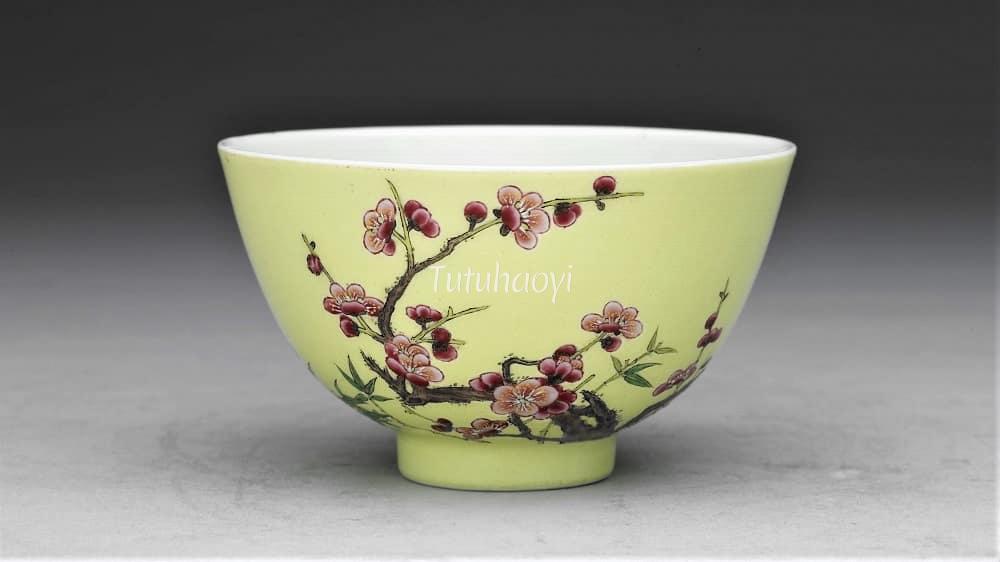
Have you ever wondered why the image of the prunus has been a popular motif in Chinese decorative art? Why do Chinese literati love to write poems about plum blossoms and paint them in their art works? Dr Yibin Ni will explain to you the symbolic ...
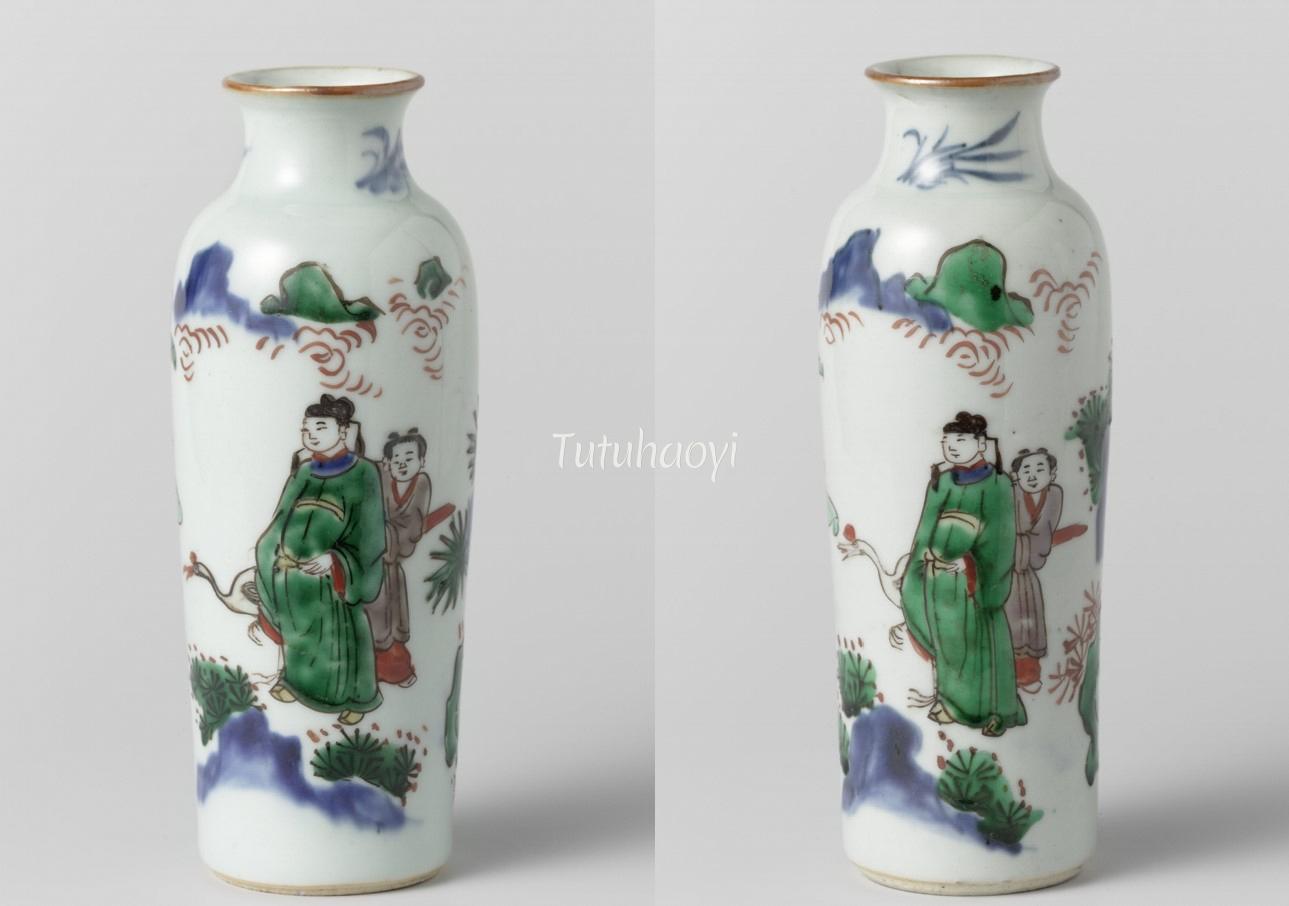
Have you ever been puzzled by the description of ‘figural paintings’ for Chinese porcelains listed by various museums and auction catalogues? In fact, many Chinese paintings with figures refer to ancient stories and have meanings behind the scenes...
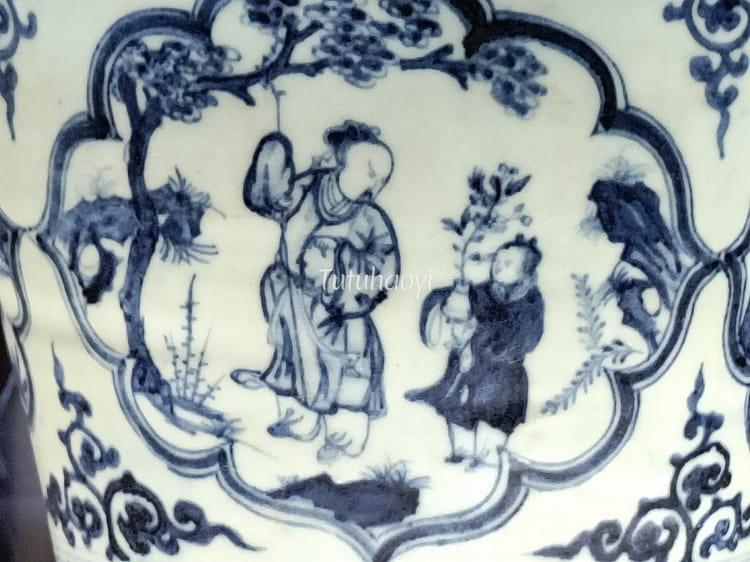
Images of Tao Yuanming Appreciating Chrysanthemums, like many other traditional historical themes, are often mistaken as a mere ‘flowering-picking’ scene, or, worse, simply a ‘figure painting’. Let’s see an example.
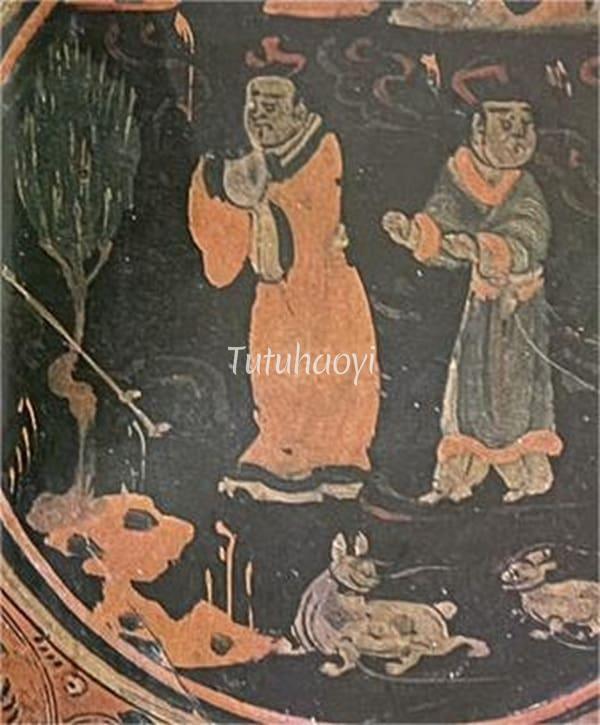
Ji Zha (季札, 576 BCE – 485 BCE) was the youngest son of King Shoumeng of Wu during the Spring and Autumn Period. According to Records of the Grand Historian: The House of Wu Taibo, Ji Zha was enfeoffed in Yanling (present-day Changzhou, Jiangsu), which is why he was also known as Yanling Jizi (延陵季子).
Durin...
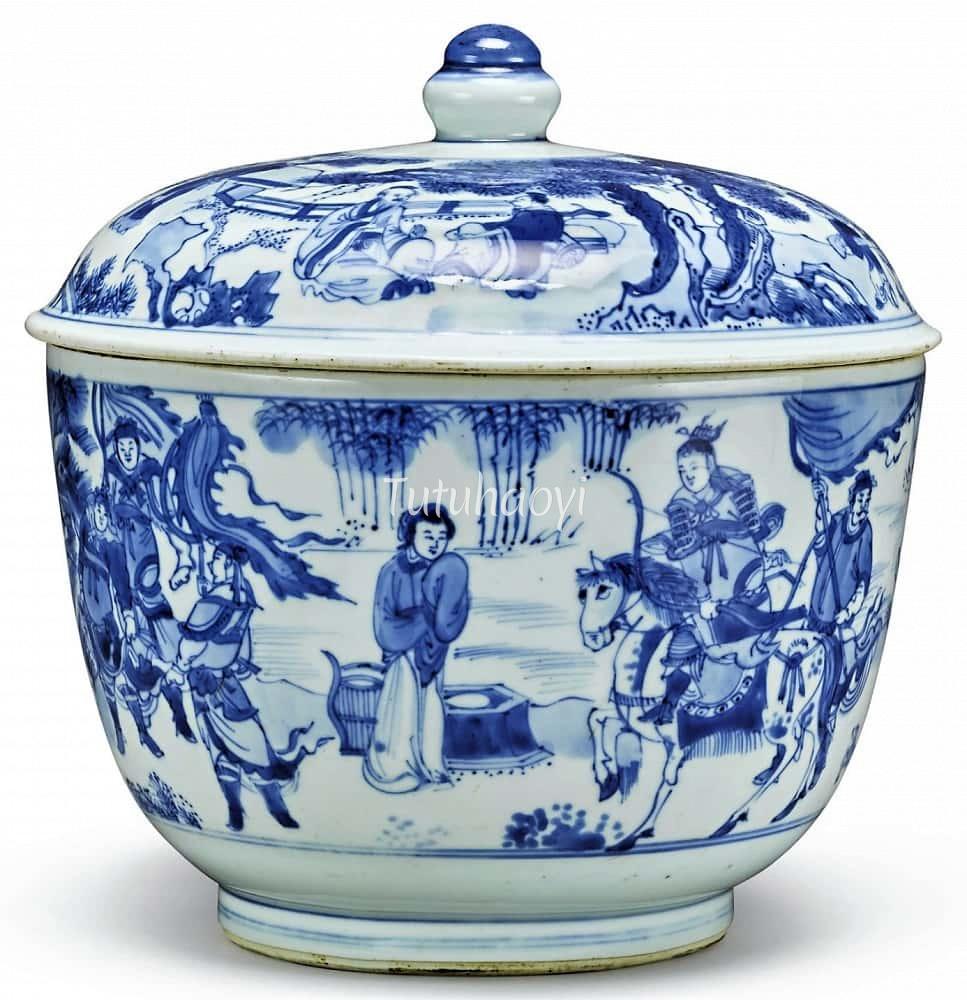
This scene was from a popular play ‘The Story of the White Hare’ (Bai Tu Ji 白兔记) and was much admired during the Ming dynasty.
Liu Zhiyuan 刘知远, the hero of the play set during the turbulent Five Dynasties (907–960), became an orphan when he was a teenager. His affluent neighbour looked after him and later...
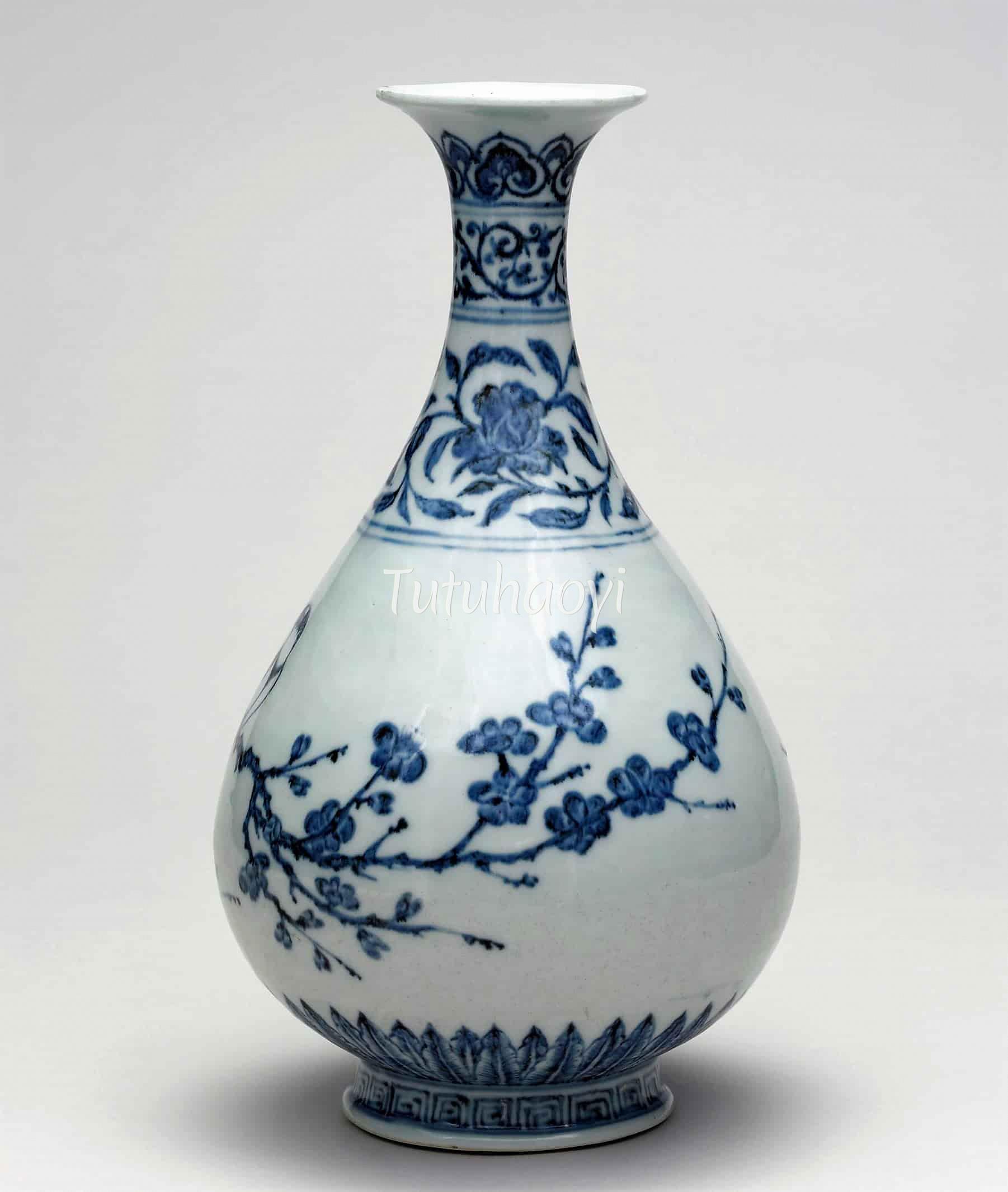
The tree commonly referred to in English as the flowering plum in fact belongs to the species Prunus mume, which is part of the apricot family.
With the pine and bamboo, the plum ...
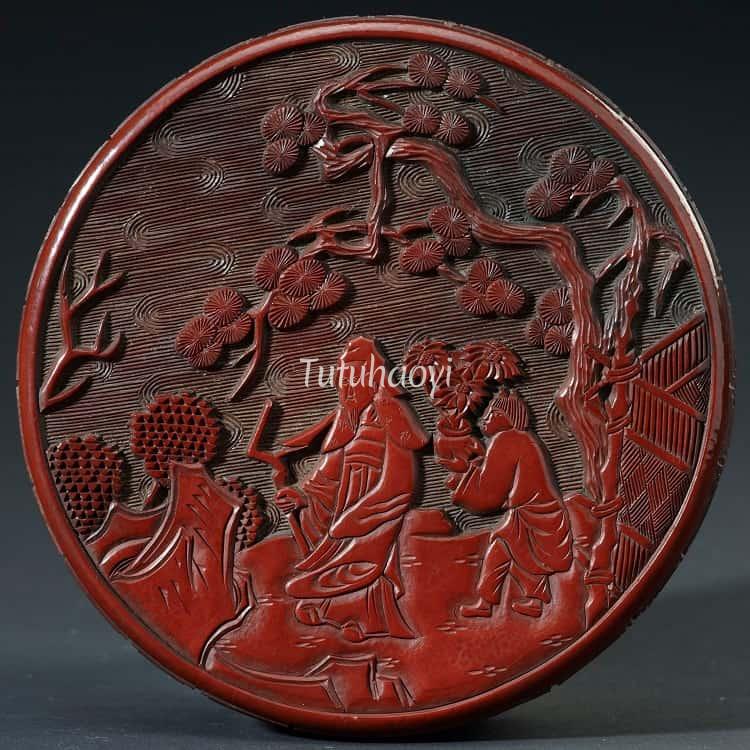
Tao Yuanming (陶渊明, 365–427), also known as Tao Qian 陶潜, the paragon of ‘Fields and Gardens poetry’, spent most of his life as a hermit in a cottage in the countryside, reading, drinking wine, and writing poetry in an unmannered style. He had a unique eye for the beauty and serenity of the natural world c...
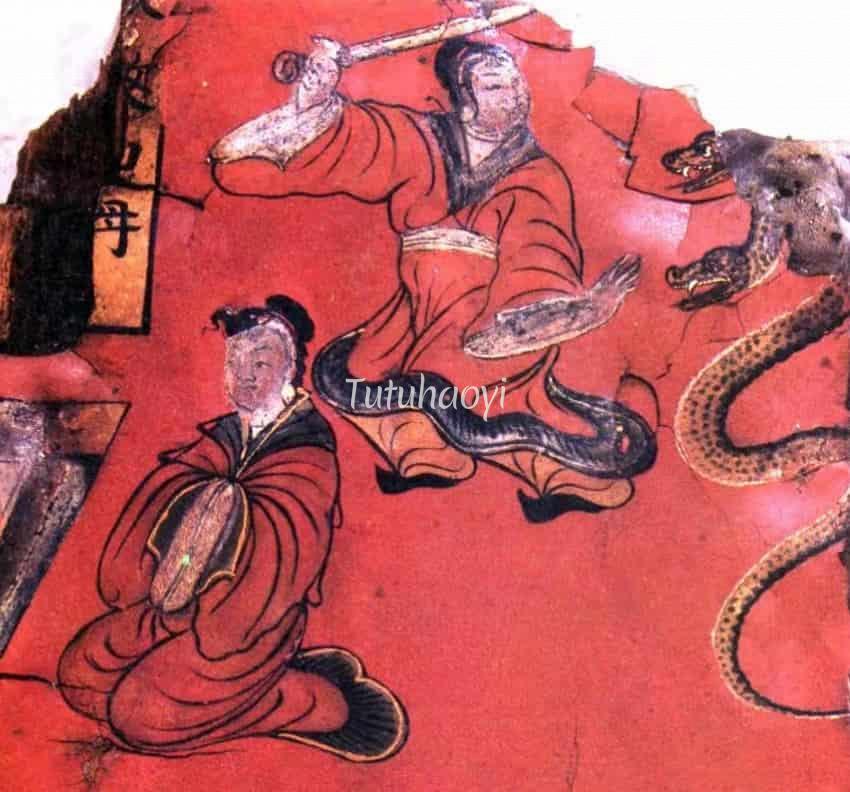
Sunshu Ao (孙叔敖, c. 630 – c. 593 BCE) was a hydraulic engineer and politician during the Eastern Zhou Dynasty (770-258 BCE). When he was a child, he came across a snake one day. The snake was unusual because it had two heads. According to the legend, anybody who saw such a snake would soon die. Sunshu killed the sna...
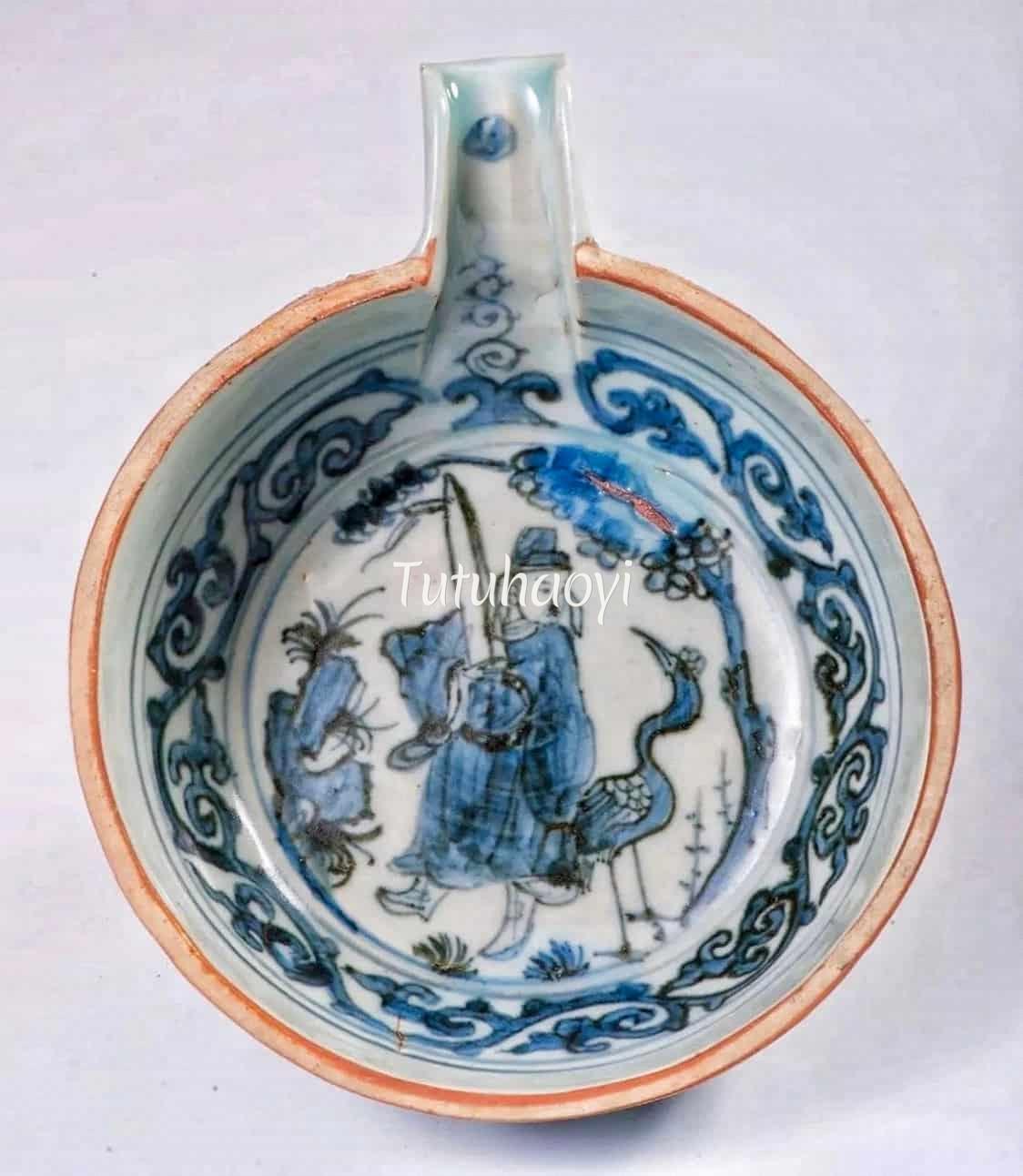
Zhao Bian (赵抃, 1008–84) was held in high esteem all his life and posthumously because of his incorruptibility and sound statesmanship during his entire career. His prize possessions were legendarily well-known: a qin zither and two pets, a Continue Reading
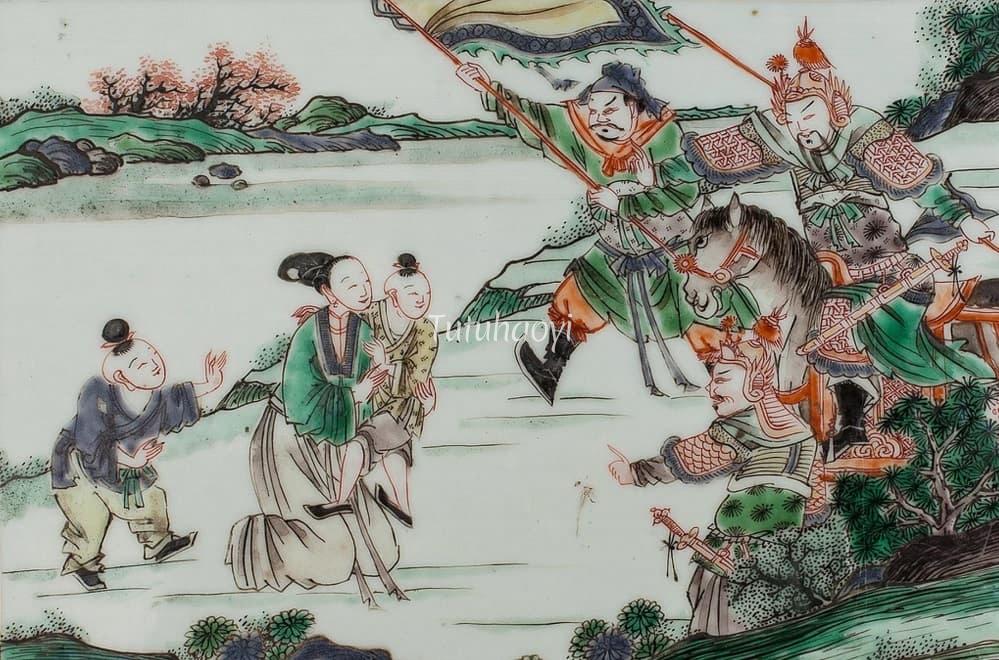
This is a story of a righteous woman. As the army of the state of Qi (齐国) launched an invasion against the state of Lu (鲁国), soldiers approaching a Lu suburb saw a woman struggling along the road with two children. When the army got closer, she abandoned one of the children and grabbed the other, moving toward the mounta...
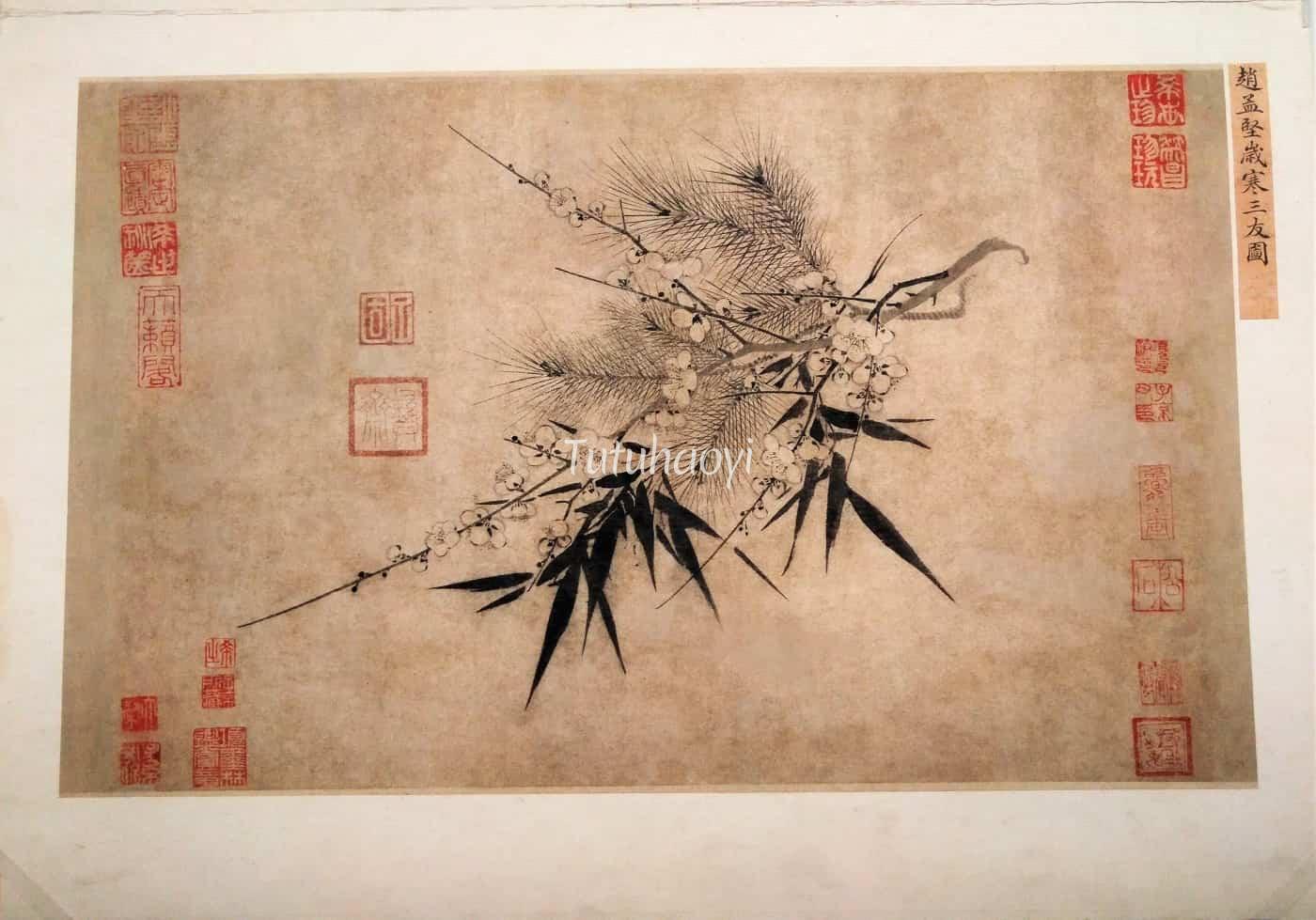
Pines, bamboos, and plum blossoms (prunus) form the ‘Three Friends in Winter’ (岁寒三友) motif. The early blossoming plum is the harbinger of spring; the