Emperor Yang of Sui Appreciating Lotus at Jiangdu
隋炀帝江都赏莲
© Tutuhaoyi.com owns the copyright of the description content for the images attached. Quoting all or part of the description content on this page is permitted ONLY IF ‘Tutuhaoyi.com’ is clearly acknowledged anywhere your quote is produced unless stated otherwise. (本页描述内容版权归Tutuhaoyi.com所有,转发或引用需注明 “Tutuhaoyi.com”, 侵权必究, 已注开源信息的条目除外。)
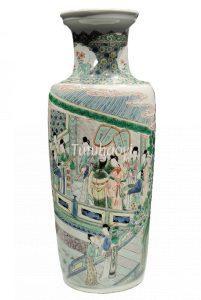
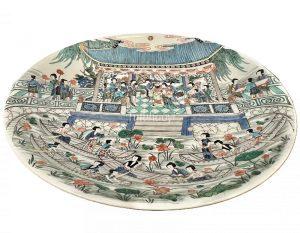
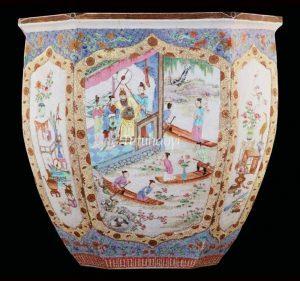
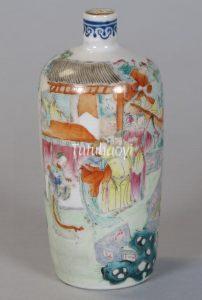
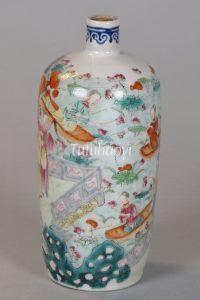
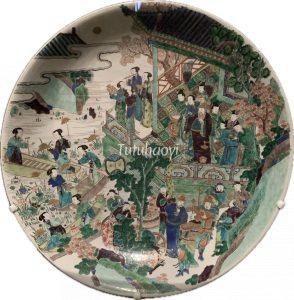
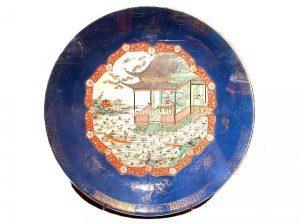
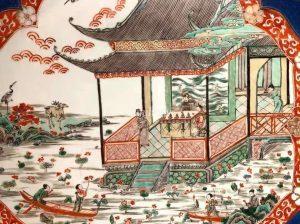
This scene depicts one episode from Emperor Yang of Sui’s southern progress to Jiangdu, adapted from Chapter Two of Romance of the Two Dynasties of Sui and Tang 隋唐两朝志传 by Luo Guanzhong (罗贯中, c.1330–c.1400). Having travelled for months, the emperor arrives at Jiangdu and is captivated by its exceptional landscape and prosperity, deeming it even superior to the imperial capital of Chang’an. At the suggestion of his courtiers, he orders the extensive construction and refurbishment of palaces, terraces, and pleasure gardens. Grand structures such as the Wangyun Terrace are erected, surrounded by elaborately designed parks filled with rare flowers, exotic birds, and flowing waterways connected to Lake Tai, allowing boats to pass freely. The scale and extravagance of these works are immense, and any remonstrance is met with severe punishment, leaving officials fearful and silent.
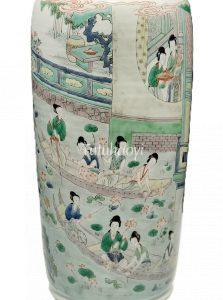
Immersed in this luxurious setting, the emperor spends his days in constant revelry with Empress Xiao and his consorts. Spring is marked by banquets among blooming peonies and other flowers, accompanied by music, poetry, and admiration of the floral splendour. Gradually, he becomes wholly absorbed in sensual pleasures, neglecting state affairs. By summer, he turns to boating excursions at the waterside pavilions, where the famous ‘lotus appreciation’ takes place. On these occasions, palace women are ordered to enter the water to pick lotus flowers, singing and dancing in playful abandon while wine is served through lotus stems. The emperor and his empress watch with delight, applauding the spectacle.
This passage not only sets the stage for the ‘Emperor Yang Appreciating Lotus’ scene, but also highlights the opulence and moral decline of his reign, offering a pointed critique of indulgence and excess.
story scene description by Rachel Ma
Related Figures & Stories:
Fig 1-2: famille verte porcelain vase, Kangxi period (1662–1722), Qing dynasty, courtesy of the Shanghai Museum, China; photography by Rachel Ma
Fig 3-4: porcelain dish with overglaze enamelled decoration, Kangxi period (1662–1722), Qing dynasty, courtesy of Kelvingrove Art Gallery and Museum, Glasgow, Scotland
Fig 5: famille verte porcelain dish, Kangxi period (1662–1722), Qing dynasty, courtesy of Musee national des arts asiatiques – Guimet
Fig 6: famille rose fishtank, Qianlong period (1736–95), Qing dynasty, courtesy of Cohen & Cohen art dealer, UK, publication edition Nov 2016, Tyger Tyger
Fig 7-8: porcelain vase with overglaze enamelled decoration, late 18th – early 19th century, courtesy of previous collection of the Metropolitan Museum of Art, New York
Fig 9: famille verte porcelain dish, Qing dynasty (1644–1911), courtesy of Philadelphia Museum of Art; photography by Jim Frisby