Showing Results Containing
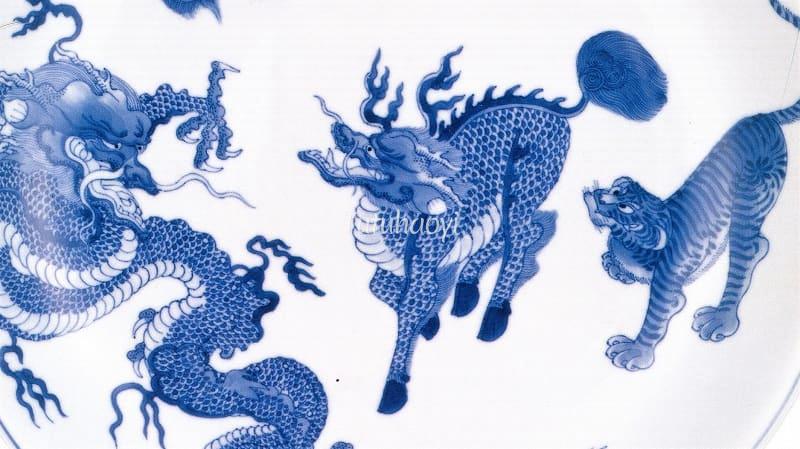
Dragon and phoenix are commonly seen motifs in Chinese visual culture. Tiger, qilin and tortoise, at the same time, are favoured creatures symbolic for auspice. But when the motifs of the above five beasts are combined together, they have more mea...
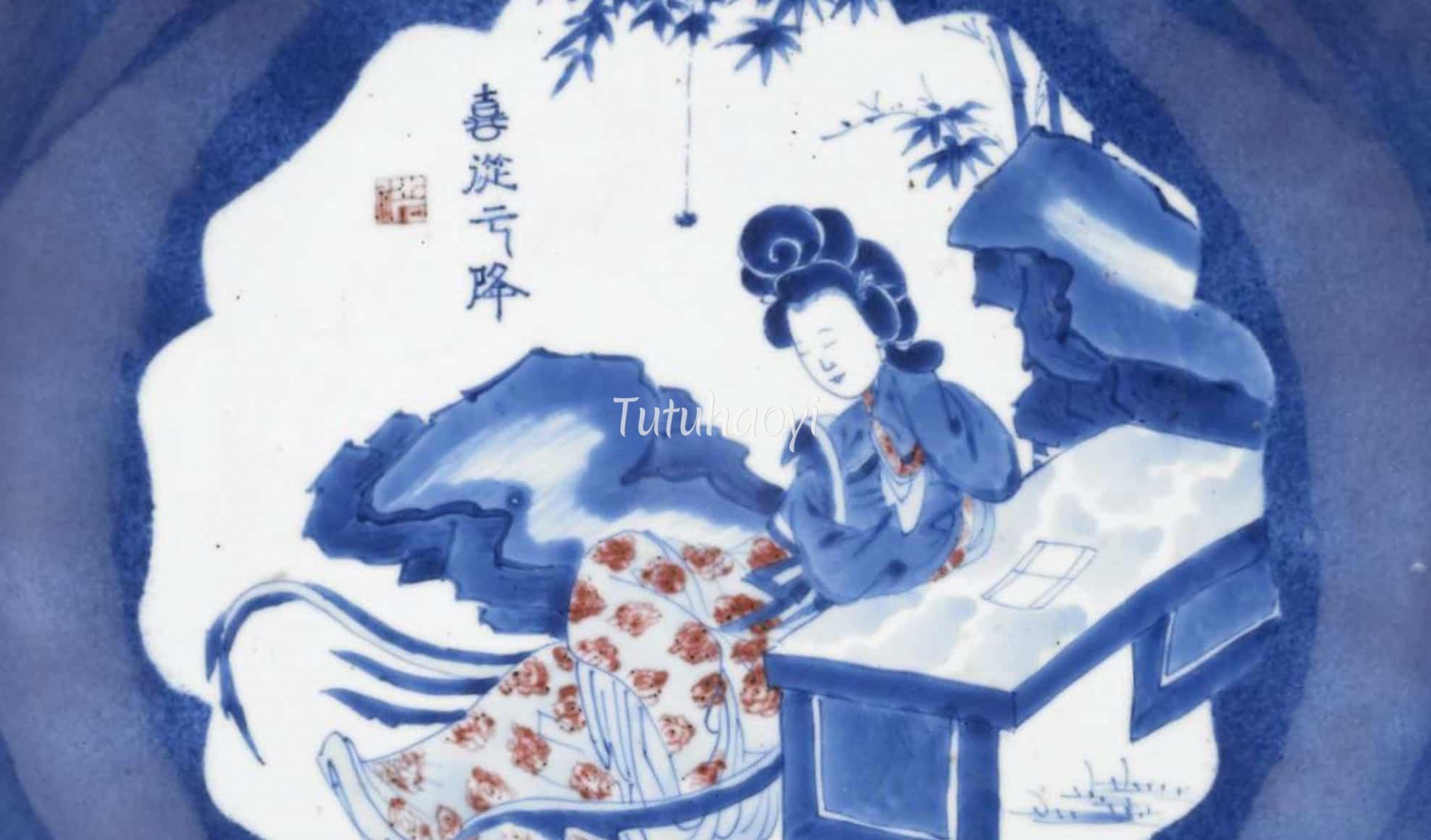
Are you afraid of small insects such as spiders? Why do we see this tidy dangling creature a popular motif used in traditional Chinese art? There is a secret here…
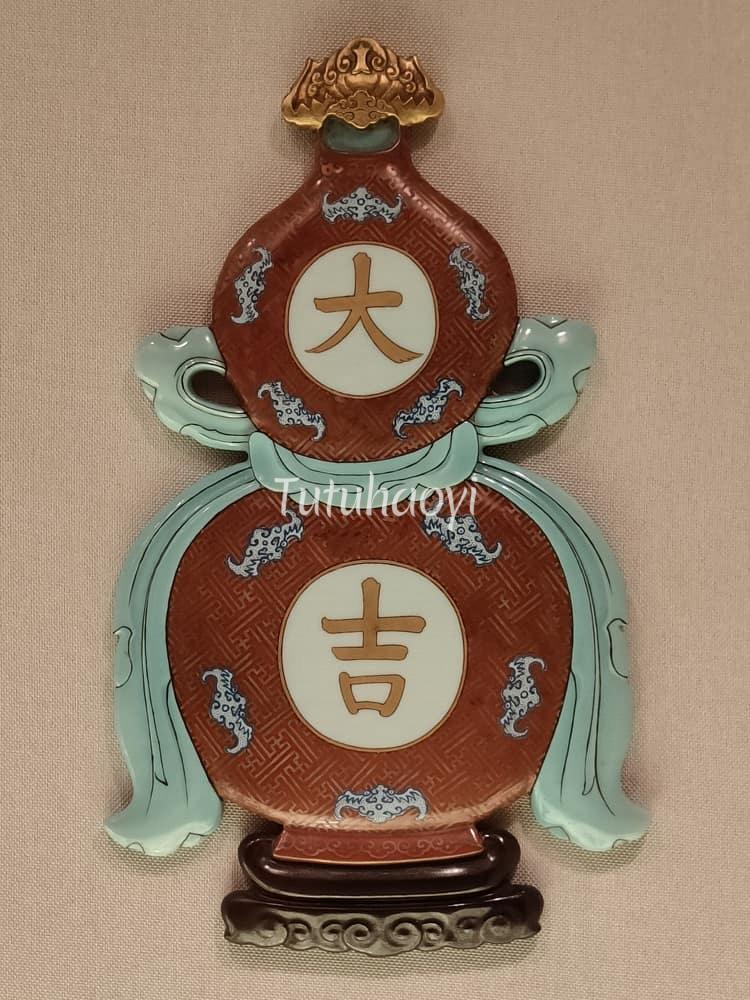
The Chinese character ‘大 da’ means ‘great’ or ‘grand’, and ‘吉 ji’ means ‘great fortune’ or ‘good luck’. In combination, ‘大吉 da ji’ expresses an auspicious wish of ‘May you enjoy great fortune’.
Related Pun Pictures:
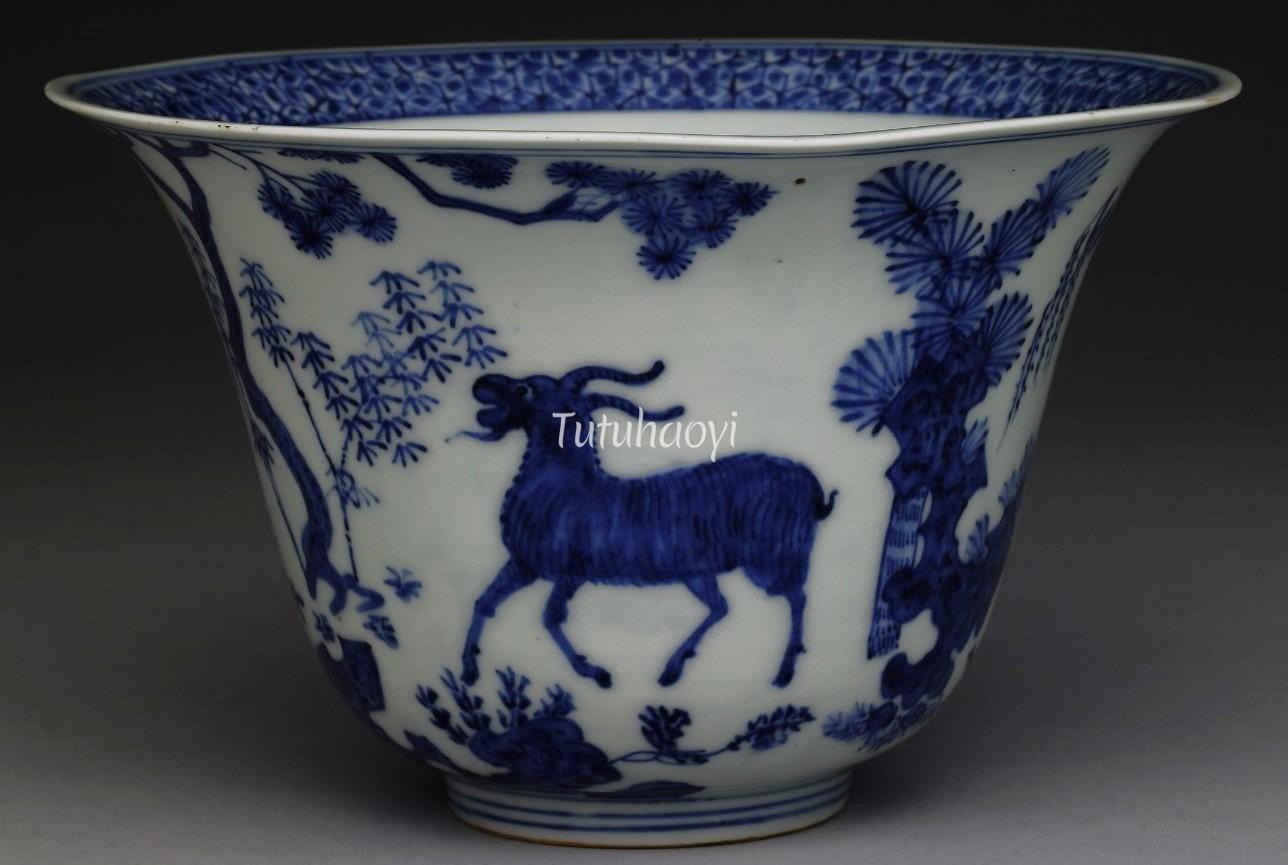
Pun Design :
Three + Goat
Punning Details:
– In an ancient Chinese literature, The Book of Change (I-Ching 易经) that can be traced back to Western Zhou (1046–771 BCE), there are sixty-four different hexagrams (gua
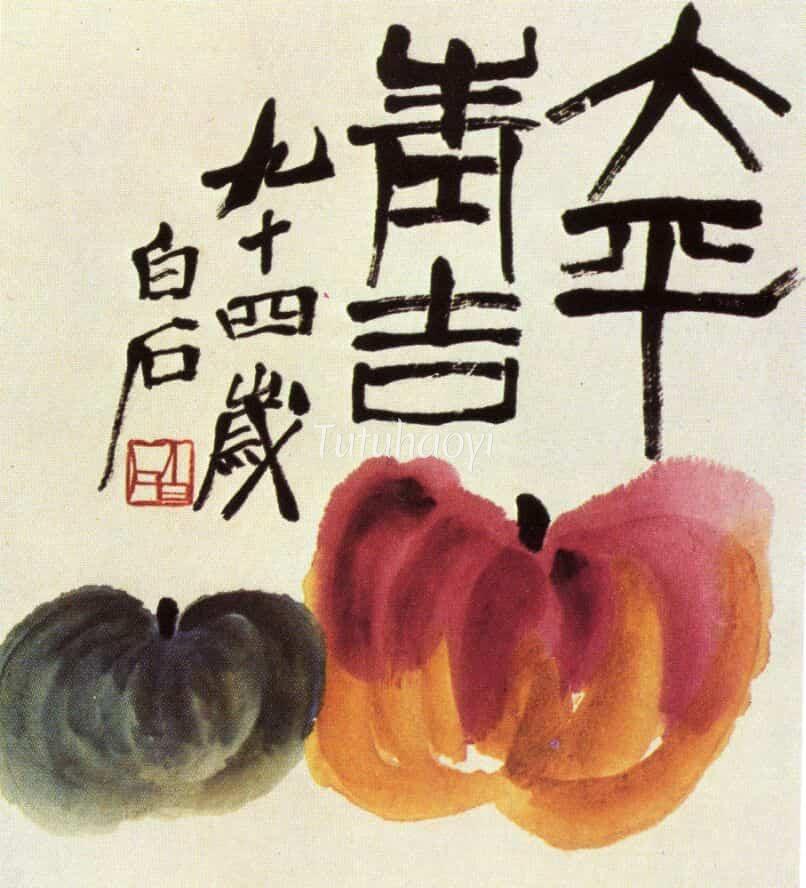
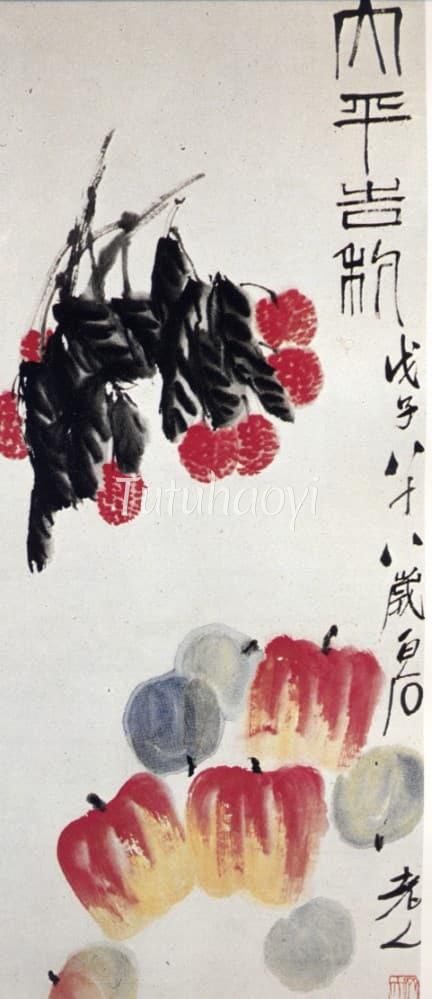
The image of apples, in addition to cue a pun on the ideal of ‘universal peace’, may be combined with lychee or tangerine to form pi...
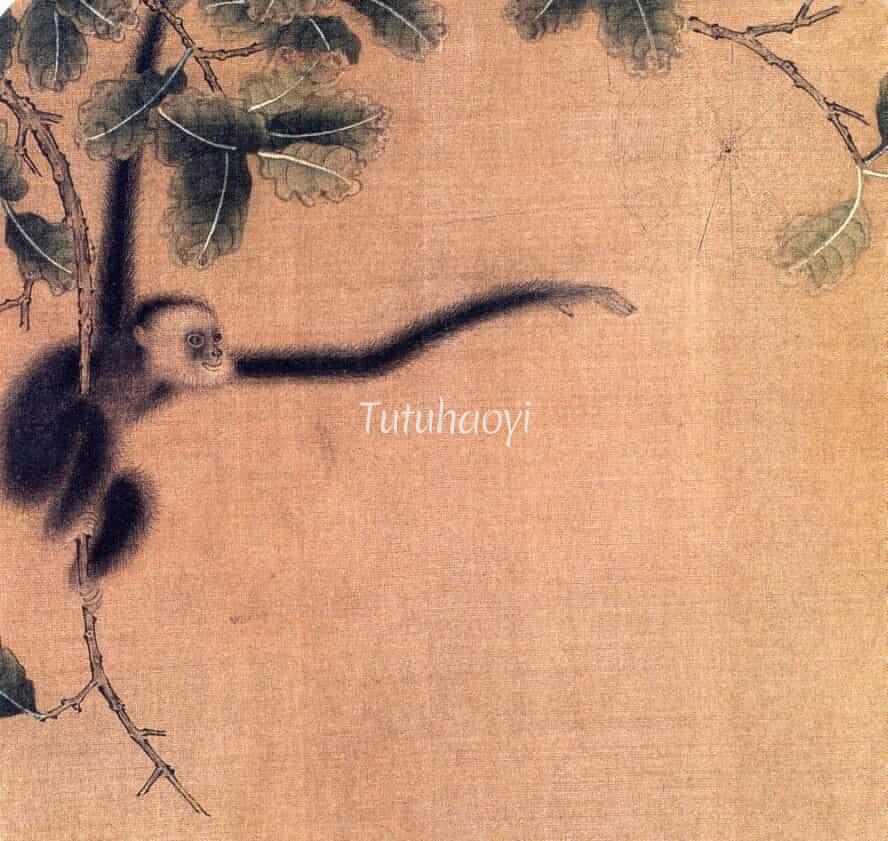
The flying mammal bat is called bian fu (蝙蝠) in Chinese. Image of the bat including its various stylised forms are often used in Chinese art to express an auspicious meaning, as ‘蝠 fu
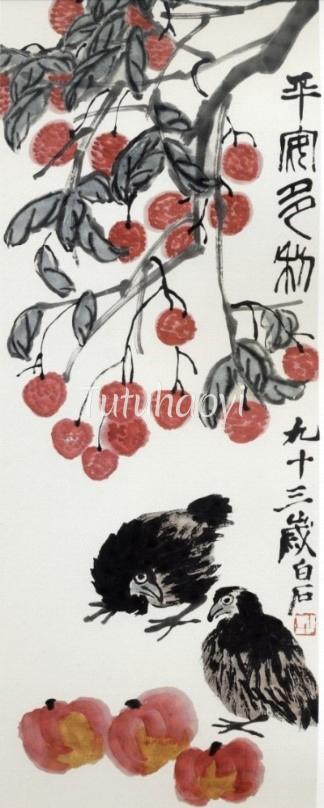
Pun Design: Apples + Continue Reading
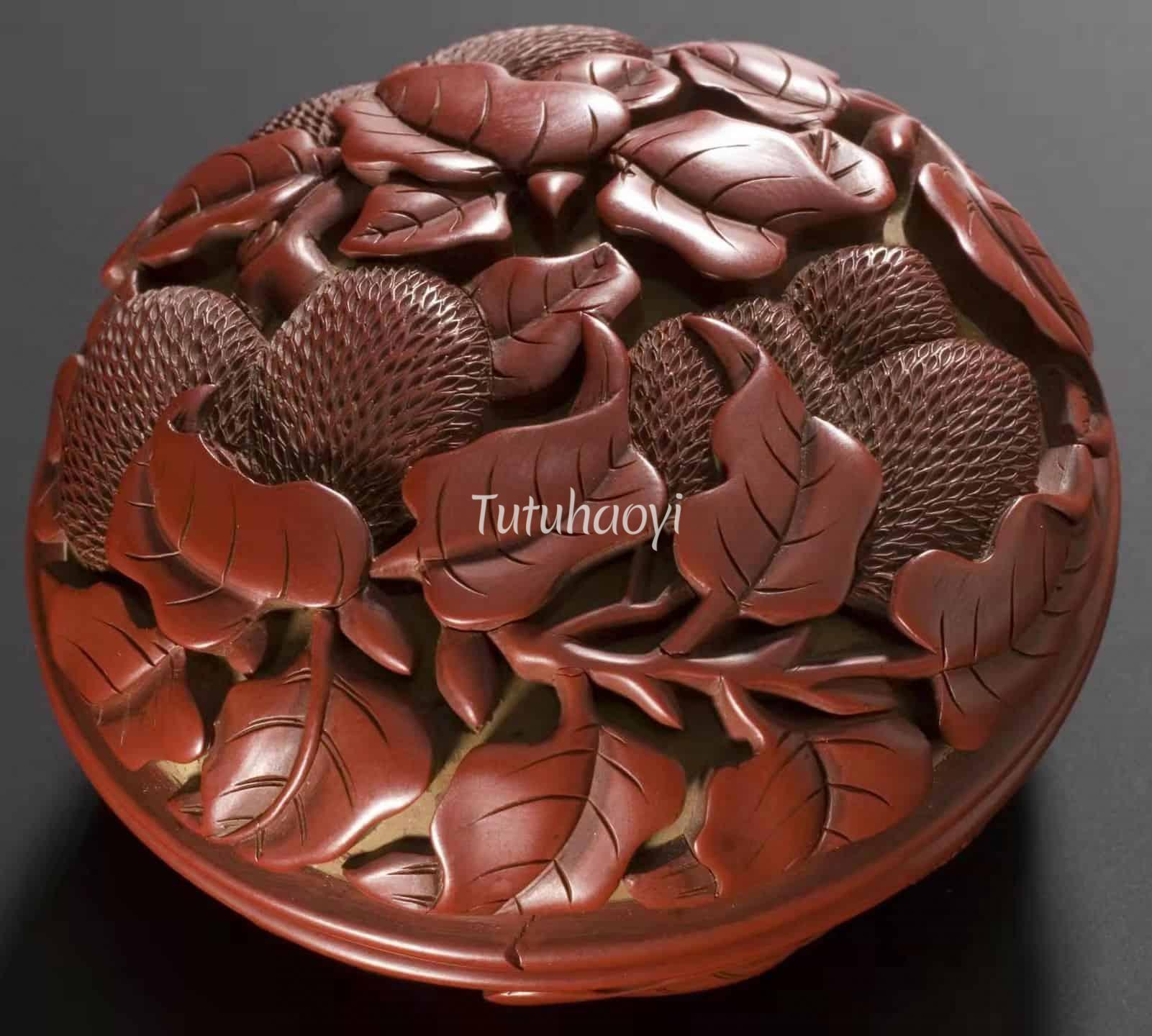
Also named leechee, lichee, lichi, or litchi (nut).
Lychee is a tall tropical evergreen tree of the soapberry family (Sapindaceae) native to southeastern China. It was recorded in the Xijing zaji (西京杂记, Miscellaneous Records of the Western Capital), a collection of short semi-historiographical stories fro...
Pun design:
Spider + descending from the sky
Punning mechanism:
‘Zhi zhu (蜘蛛, spider)’ has a nickname ‘xi zi (蟢子)’ or ‘xi zhu (喜蛛)’ meaning the ‘lucky one’ or ‘lucky spider’.
Its first character ‘xi 喜(蟢)’ for ‘happiness (good luck)’ is then combined with the ...
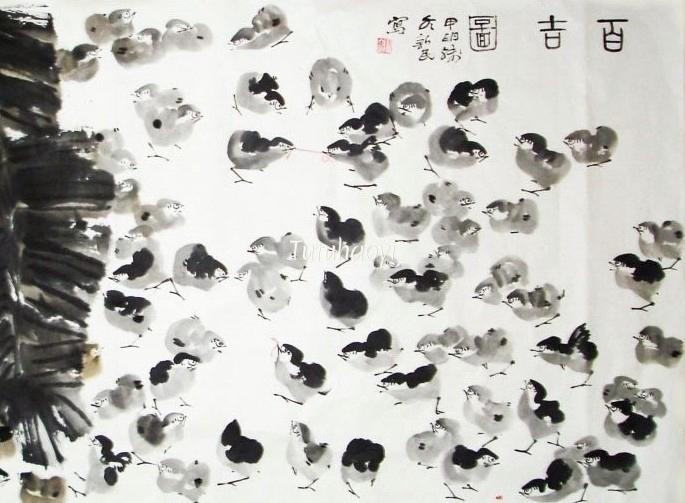
‘Ji 鸡’ is a generic name for cockerel, hen, and chick, and sounds the same as ‘ji 吉’ for ‘good fortune’. Thus, a picture of many chickens is used to represent ‘abundant good fortune’.
Related Pun Pictures:
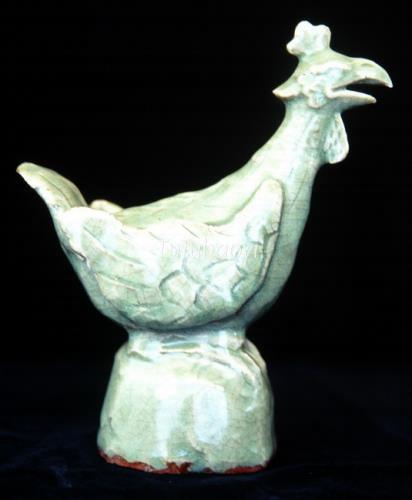
A large Longquan pottery rooster sculpted on a rock sends good fortune to the receiver’s or owner’s family because da ji 大 鸡 for ‘large rooster’ sounds the sam...
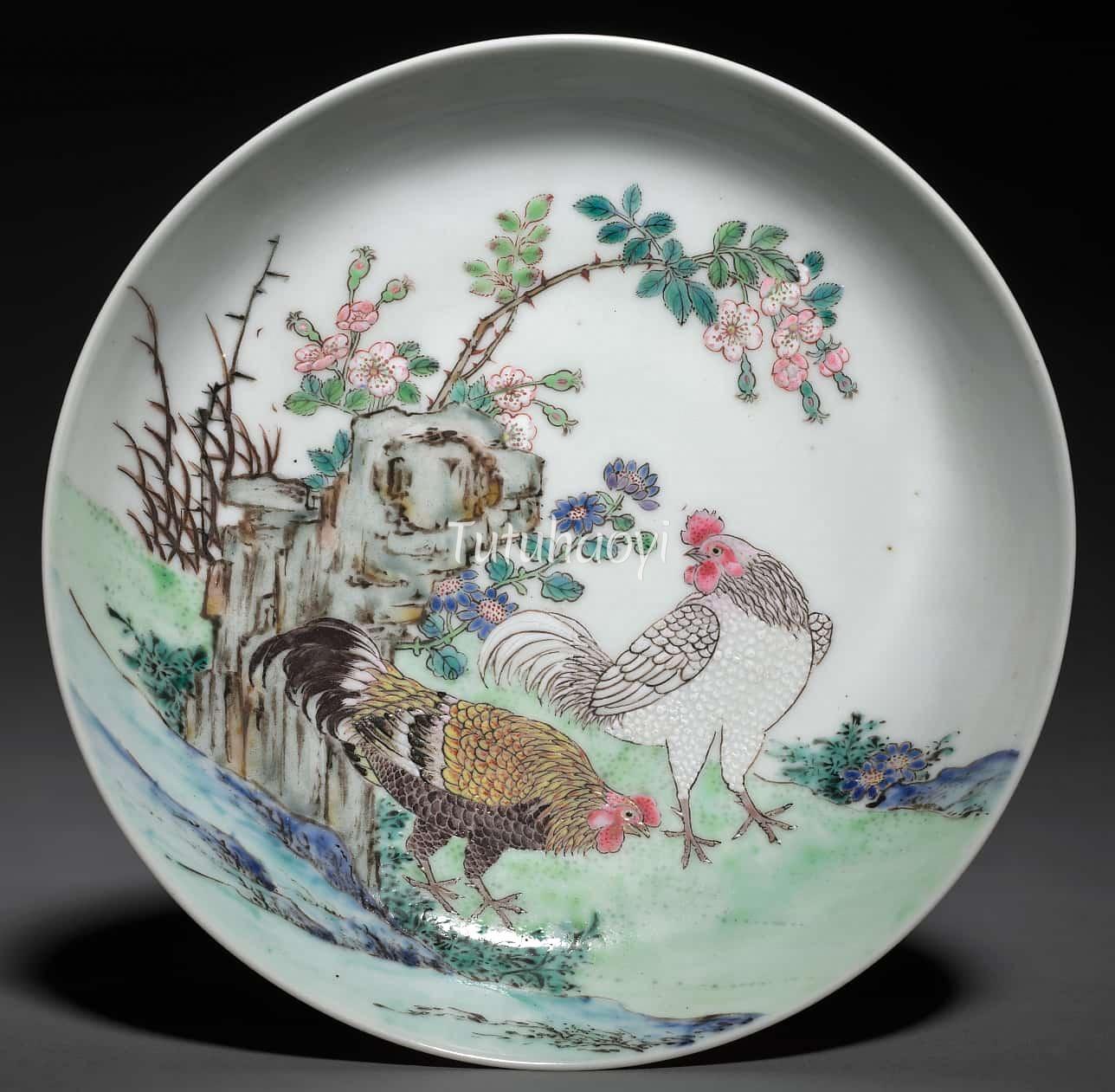
The Chinese name for rooster or chicken is ji 鸡, which is a pun on ji 吉 ‘good fortune’. ‘Da’ is the Chinese adjective for ‘big’ or ‘grand’. Hence, ‘da ji’ lit...