Showing Results Containing
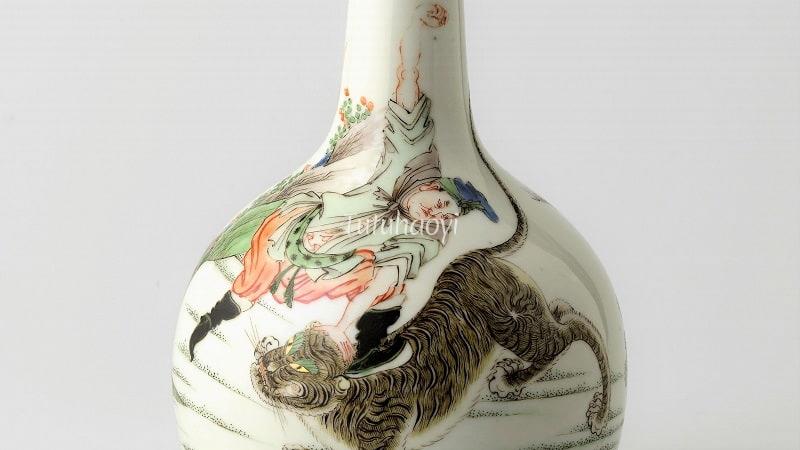
‘Wu Song slaying the tiger’ is a popular fictional story among Chinese people. But it’s hardly noticed that this story scene has been chosen in Chinoiserie decorative art in Europe. Here is Dr Yibin Ni’s interesting research and his unique insight...
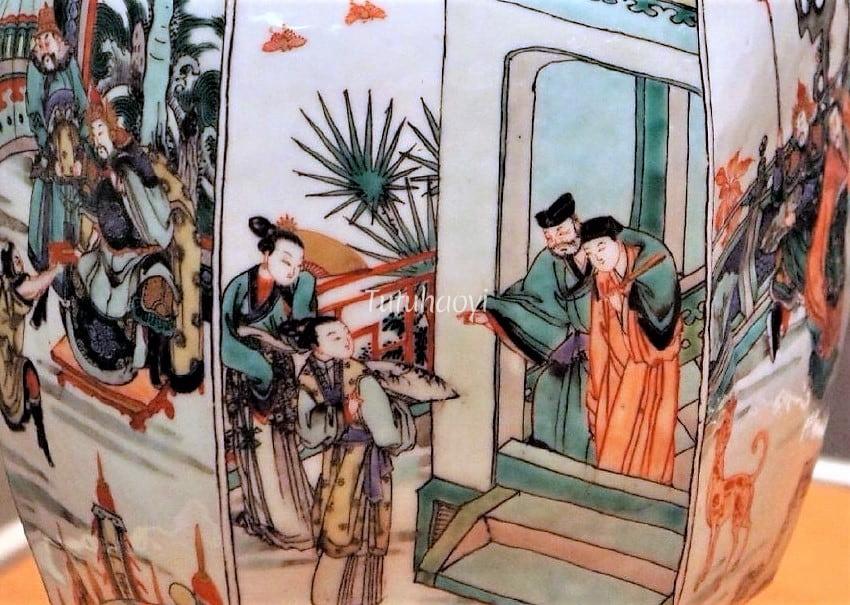
This is a republication of Dr Yibin Ni’s article written in Chinese “明末清初瓷器上张生的‘凝视’和莺莺的挑战”(Gaze from Scholar Zhang and the response from Lady Cui Yingying: a discussion of figural depiction on porcelains from Late Ming to Early Qing dynasty)...
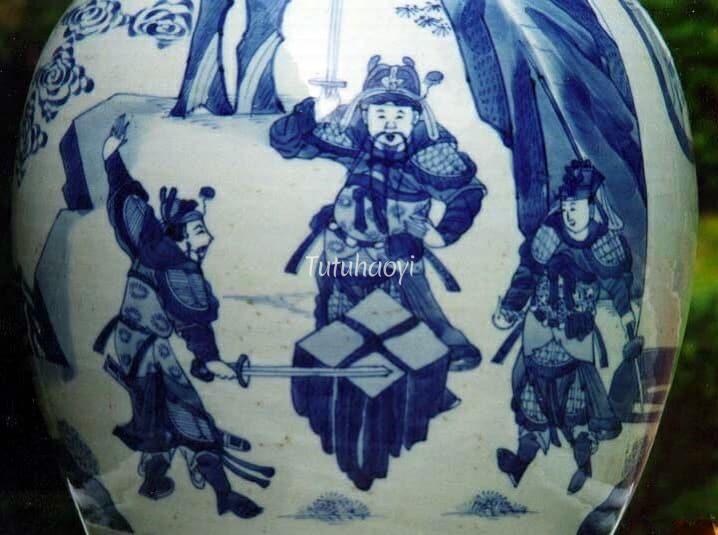
Do you wonder why two warriors are waving swords over a rock that looks like a cross bun? Let Dr Yibin Ni demystify this enigmatic scene for you, which illustrates the old Chinese saying ‘bedfellows dream different dreams’!
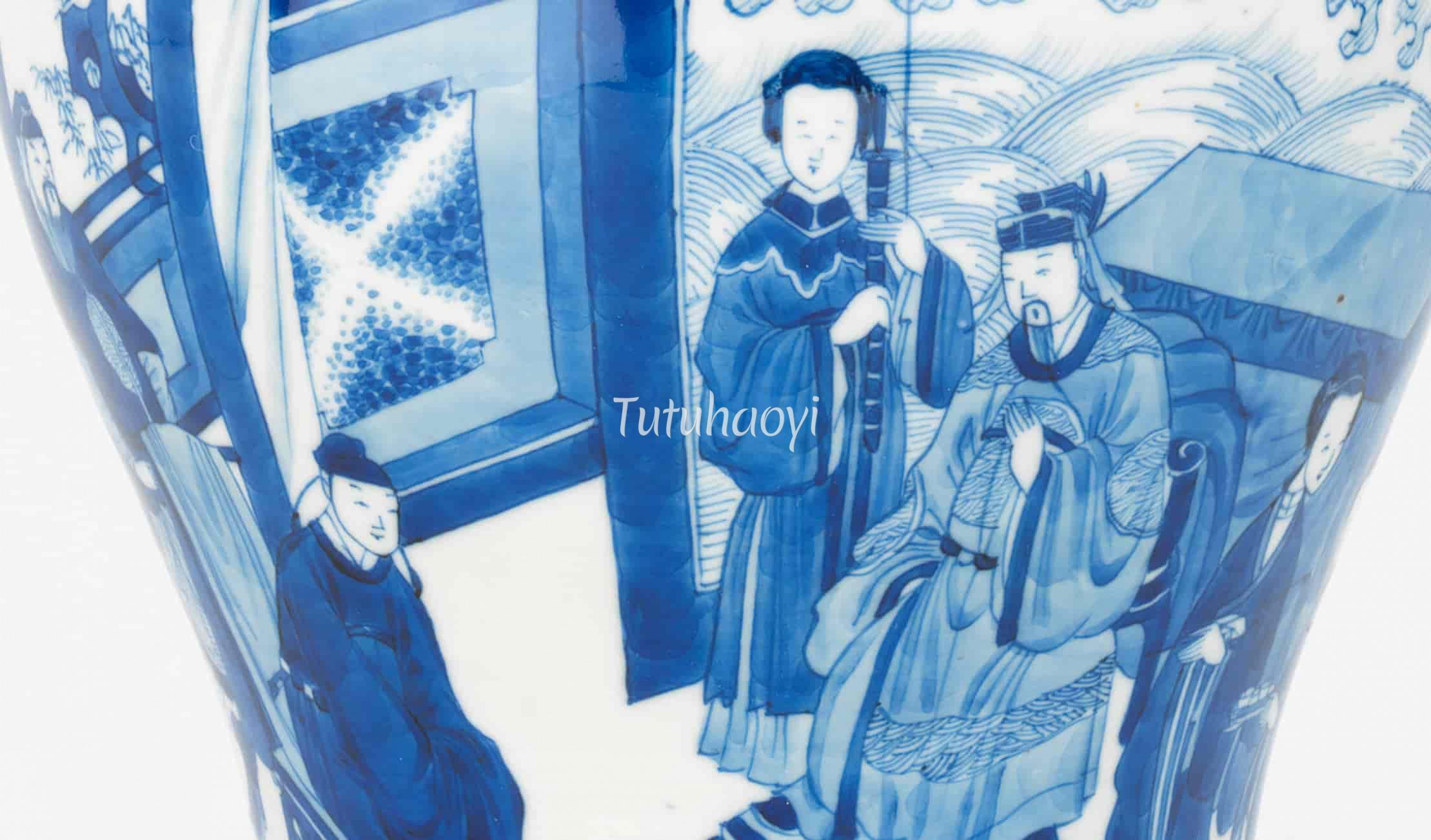
Have you wondered why the same story scenes were painted differently on Chinese artworks? How was it painted to present women falling in love on Chinese antique porcelains? Read on to see what Dr Yibin Ni has to say with his analysis.
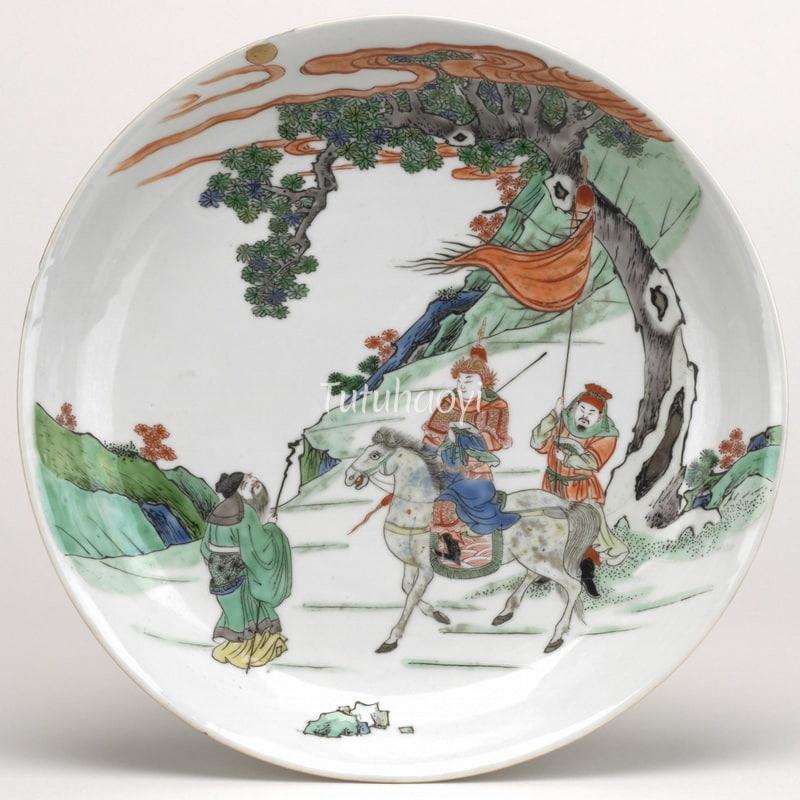
In Chapter 84 of Romance of the Three Kingdoms, ‘Lu Xun Burns Seven Hundred Miles of Camps; Kongming Lays Out the Eight Formations,’ the flames of Lu Xun (陆逊, 183–245)’s assault drive Liu Bei into headlong flight. Eager to finish his foe, Lu Xun presses on to the riverbank, unaware that he has entered the fabled...
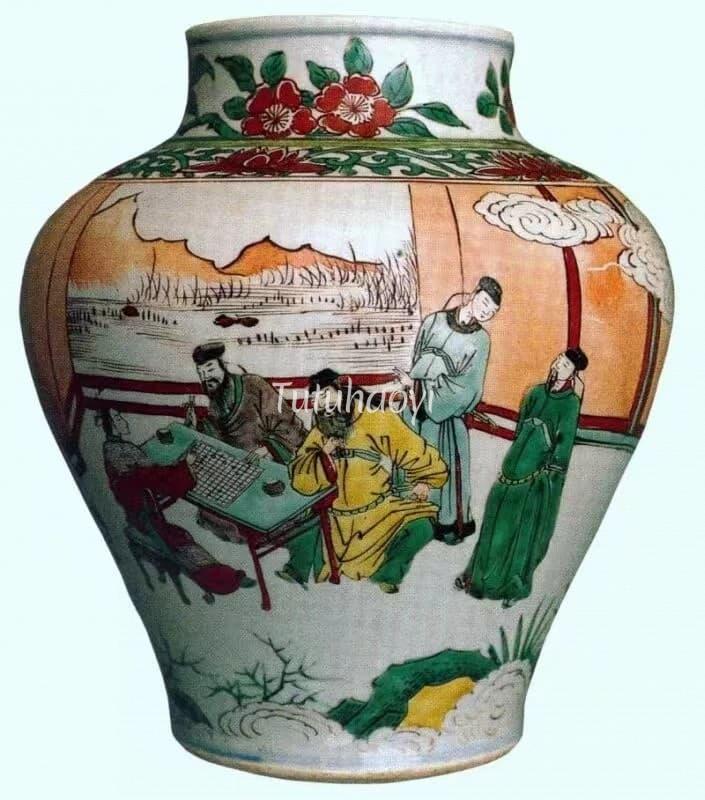
The Tale of the Curly-Bearded Fellow (Qiu Ran Ke Zhuan 虬髯客传) by Tang dynasty writer Du Guangting 杜光庭 recounts a vivid episode from the youth of Emperor Taizong, Li Shimin 李世民 (598–649). Set during the final years of the Sui dynasty—when warlords rose across a fractured empire—the story reflects the peop...
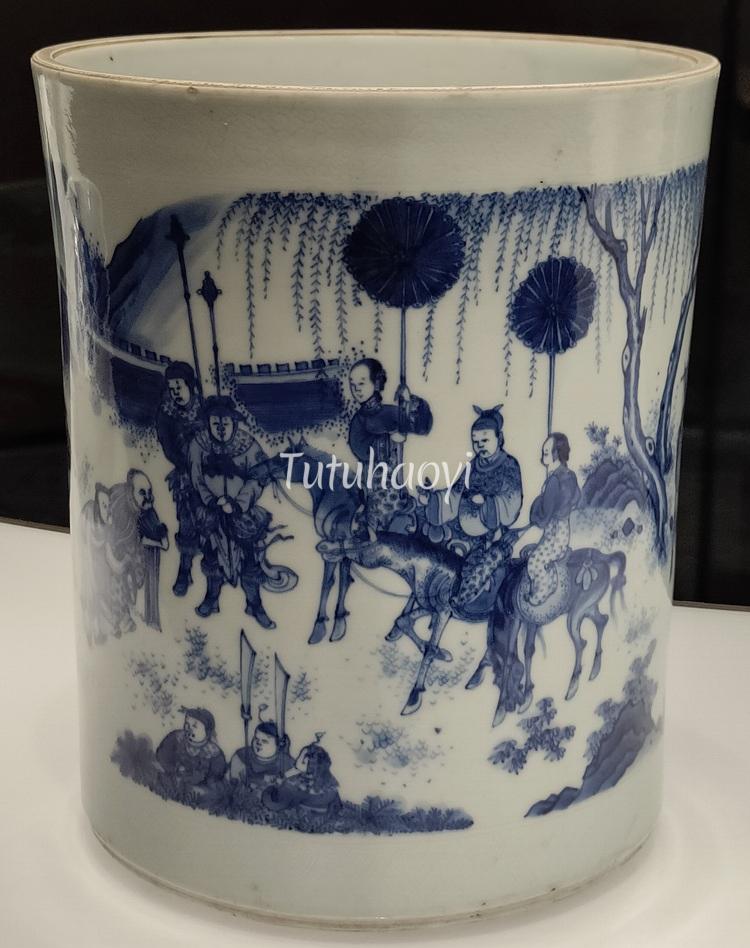
Legend of the Epiphyllum (Tanhua Ji 昙花记) is a late Ming dynasty drama written by the accomplished scholar Tu Long (屠隆, 1542–1605), composed during the Wanli reign. Renowned for his achievements in literature, art, and Buddhist philosophy, Tu Long described this legendary play as a work intended ‘to expound the l...
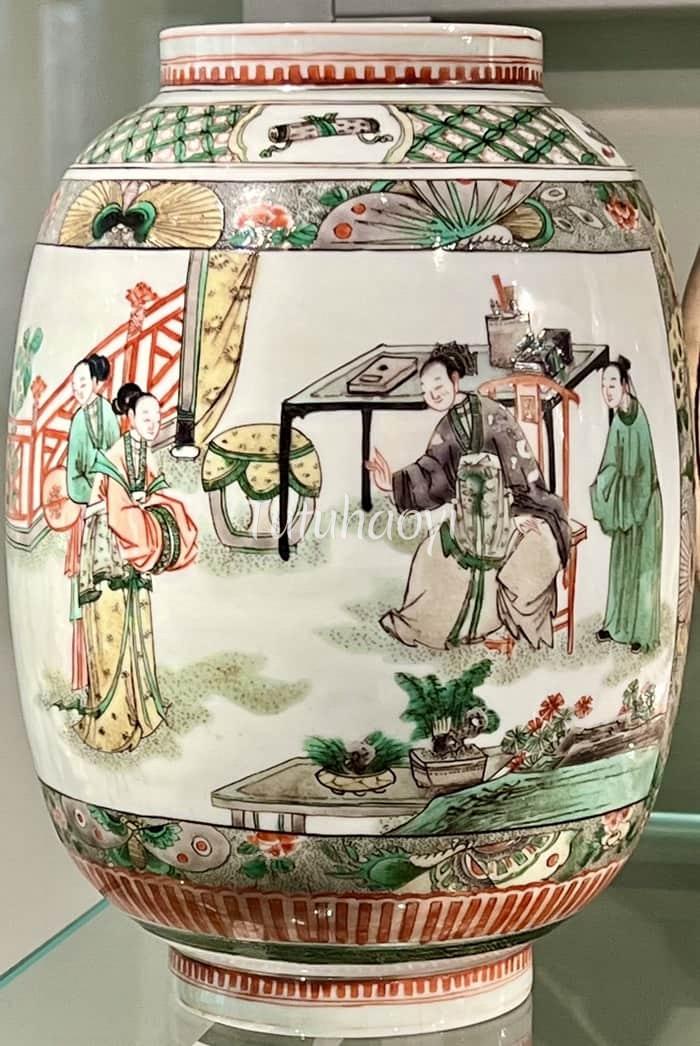
This scene opens the first act of Romance of the Western Chamber and establishes the historical setting while introducing the principal characters.
The fe...
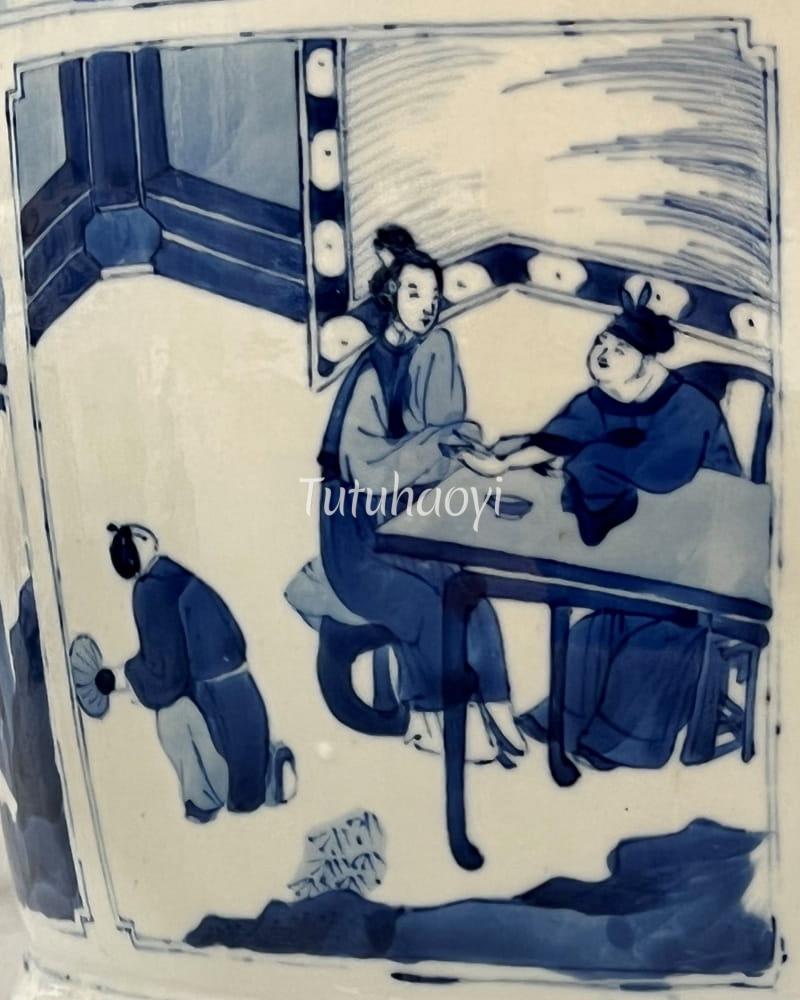
This is Scene Four of Act Three of The Romance of the Western Chamber (Xixiang Ji 西厢记), a popular Chinese drama written by playwright Wang Shifu 王实甫 (12...
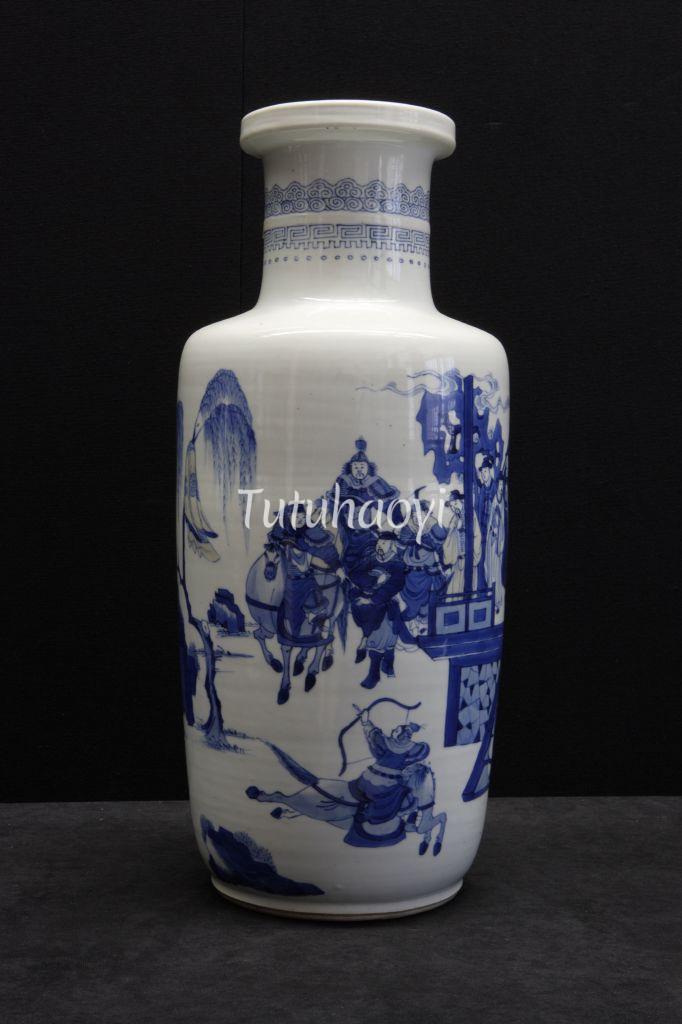
This scene is taken from Vol. 24 of the 14th-century Chinese historical novel Romance of the Three Kingdoms (三国演义 Sanguo Yanyi).
In the 15th year of Jian’an (AD 210), Cao Cao (曹操) completed the construction of Bronze Sparrow Terrace in Ye City (modern-day Handan, Hebei Province, China). To cele...
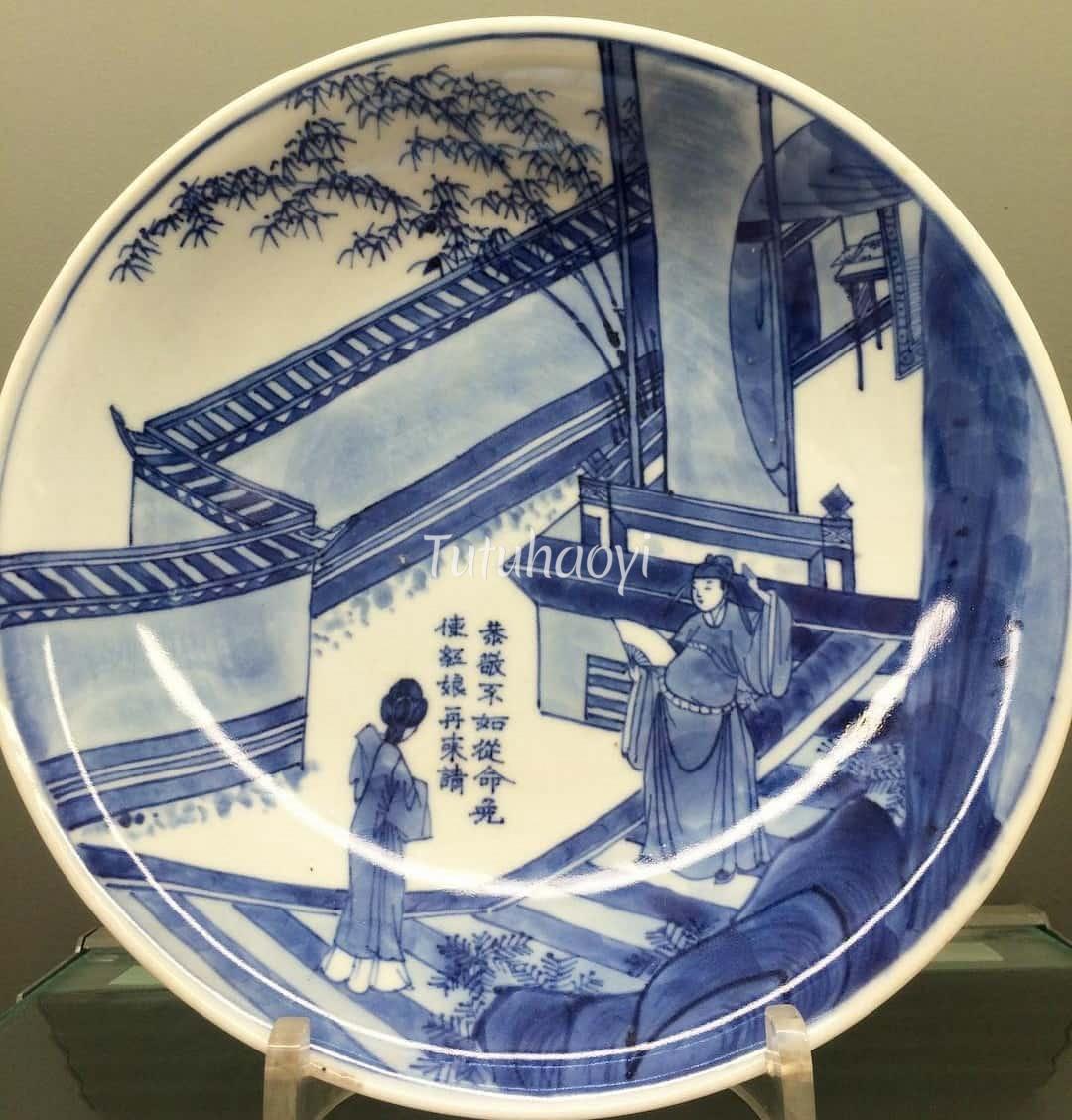
This is Scene Two of Act Two of the Chinese classic drama Romance of the Western Chamber (西厢记 Xixiang Ji), written by the Yuan playwright Wang Shifu (1250–1336)....
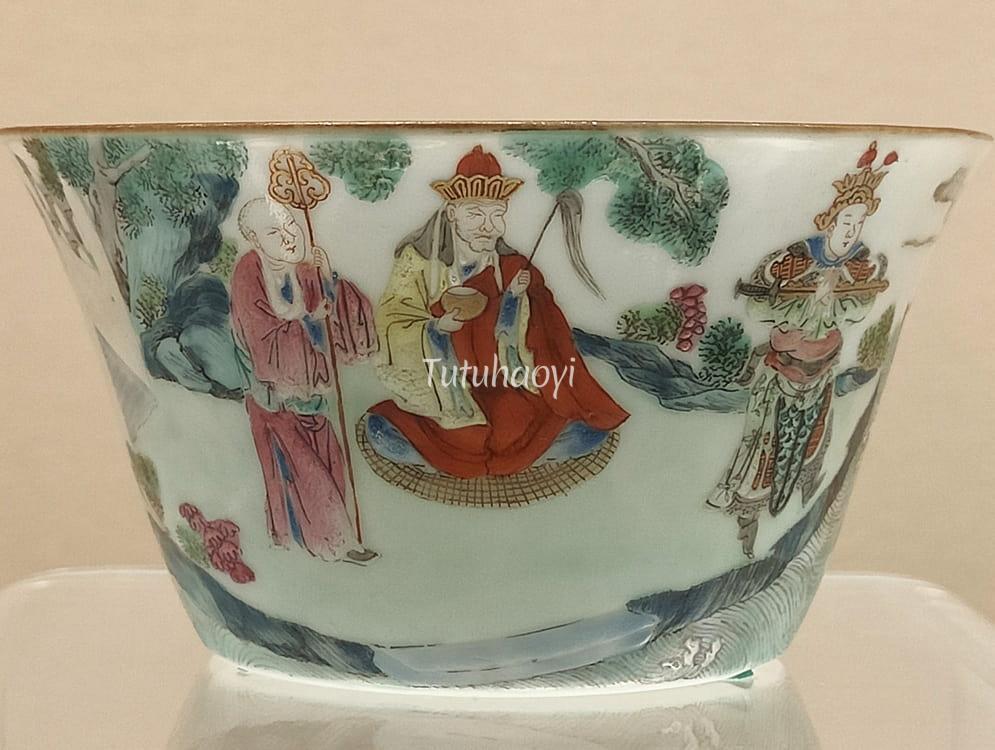
The Legend of the White Snake is one of China’s four great folktales, the others being Lady Meng Jiang, Butterfly Lovers, and The Cowherd and the...
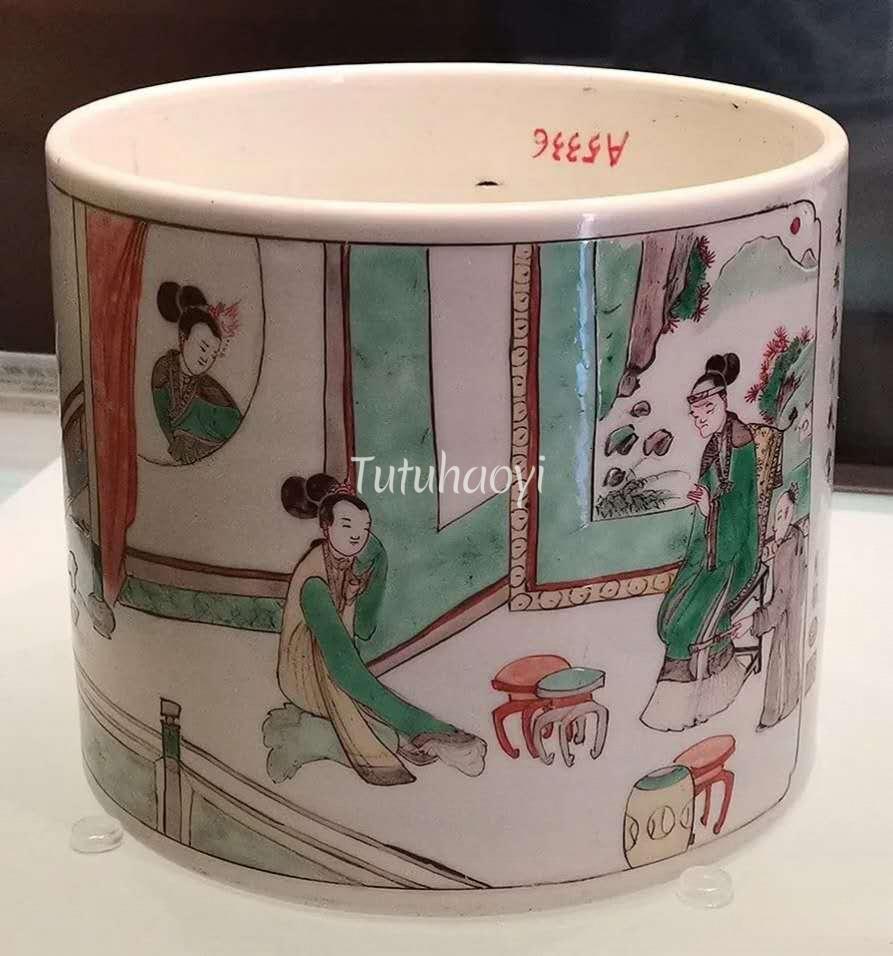
This is from Scene Two of Act Four of the Chinese popular drama Romance of the Western Chamber (西厢记 Xixiang Ji).
Miss Cui Yingying 崔莺莺 and Zhang Junrui (张君瑞, also called Scholar Zhang 张生) were deeply in love. Yingying’s maid, Hongniang 红娘, frequently escorted her to Scholar Zhang’s study Continue Reading
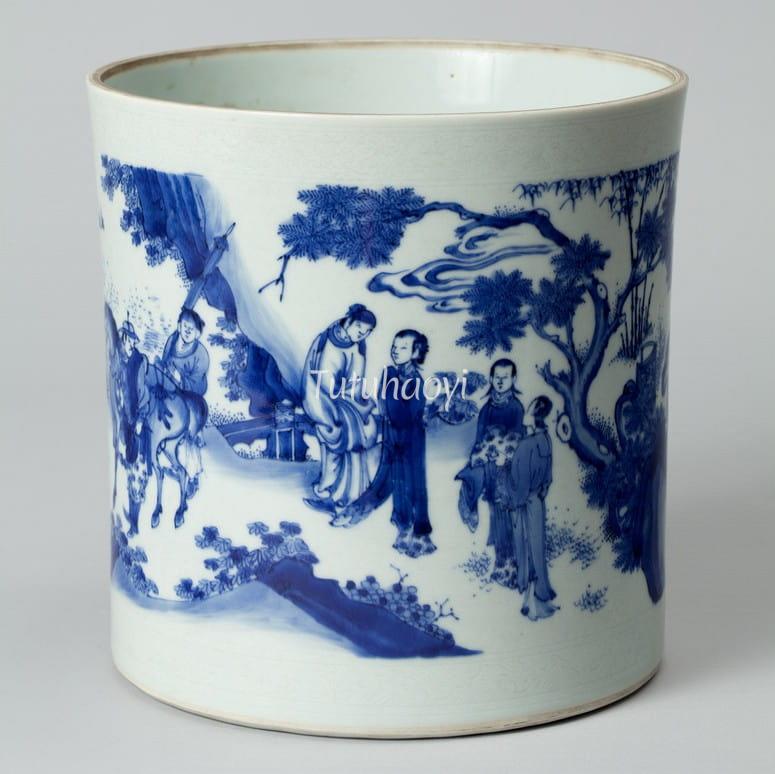
This is Scene three of Act Four of The Romance of the Western Chamber (Xixiang Ji 西厢记), a famous Chinese drama written by playwright Wang Shifu 王实甫 (1250–1336) in Yuan dynasty.
Zhang Gong 张珙 (styled Junrui 君瑞, also known as Scholar Zhang), and Madame Cui’s daughter, Cu...

This is Scene Two of Act Two of the Chinese classic popular drama Romance of the Western Chamber (西厢记 Xixiang Ji), written by the Yuan playwright Wang Shifu (1250–1336).
Sun Feihu 孙飞虎, a local bandit, was attracted to Miss Cui Yingying (崔莺莺)’s beauty and wanted to abduct her from the Buddhist monastery wh...
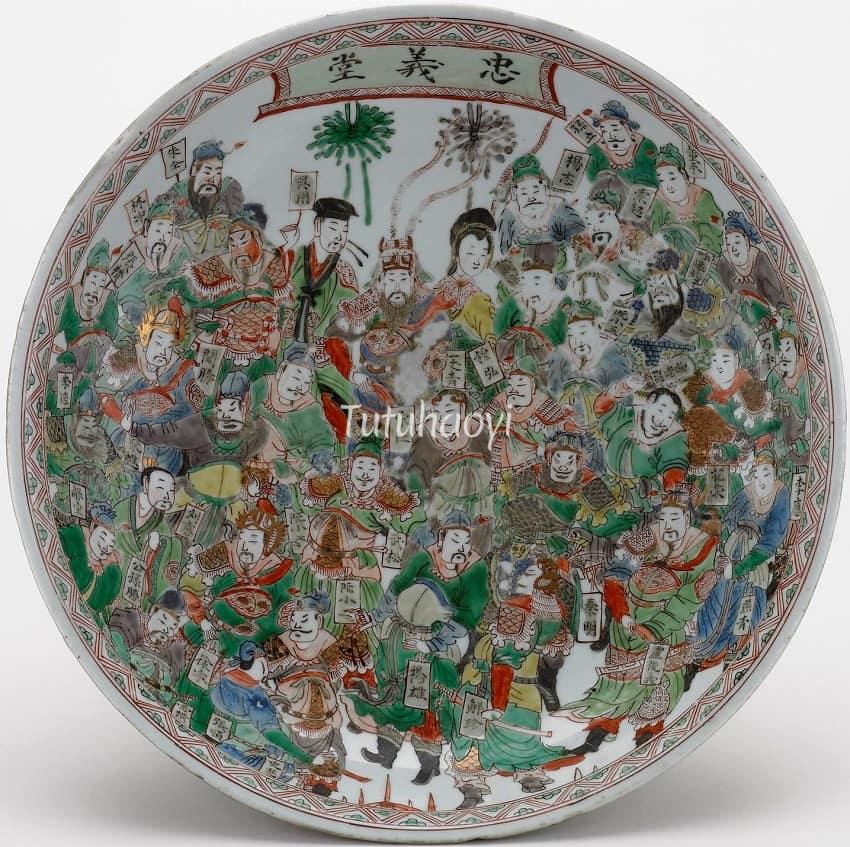
Water Margin, also known as Outlaws of the Marsh or All Men Are Brothers, is a classic Chinese novel written during the Ming Dynasty. It is considered one of the Four Great Classical Novels of Chinese literature.
The authorship of the Water Margin has always been a subject of de...
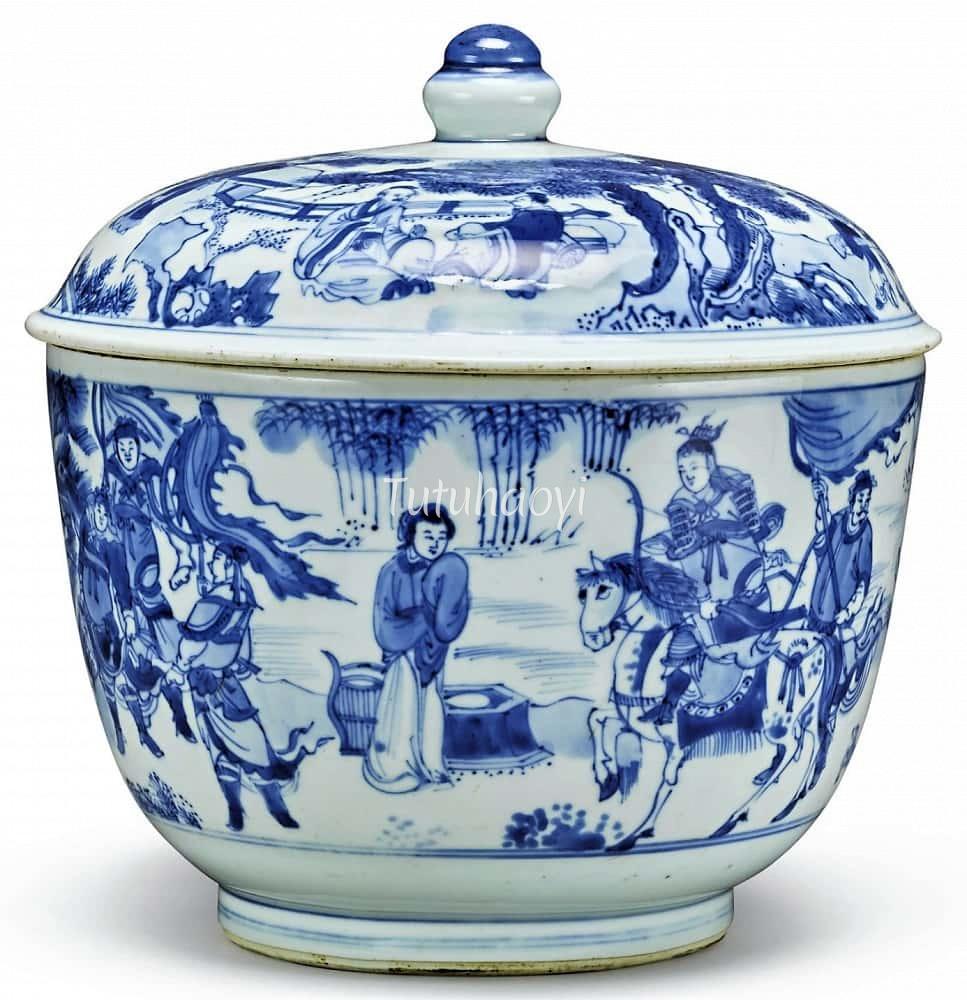
This scene was from a popular play ‘The Story of the White Hare’ (Bai Tu Ji 白兔记) and was much admired during the Ming dynasty.
Liu Zhiyuan 刘知远, the hero of the play set during the turbulent Five Dynasties (907–960), became an orphan when he was a teenager. His affluent neighbour looked after him and later...
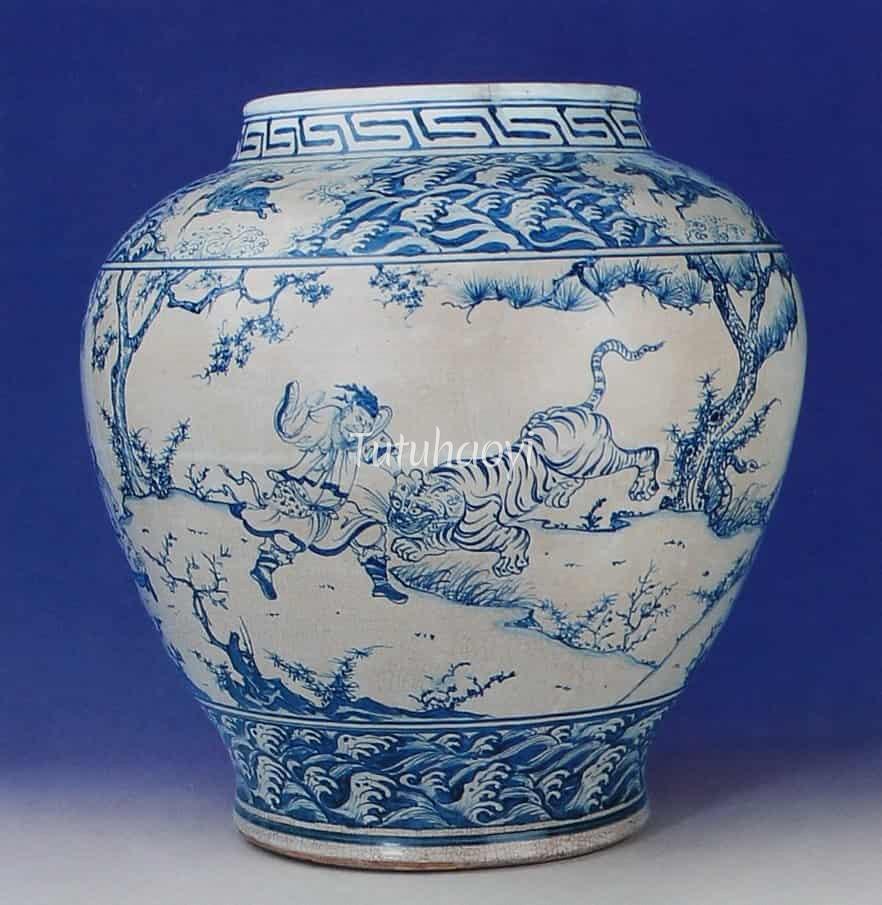
Nicknamed xingzhe (行者), ‘Pilgrim’ or ‘Traveller’, Wu Song (武松) is a popular fictional figure well-known for his slaying a tiger single-handedly after he was into...
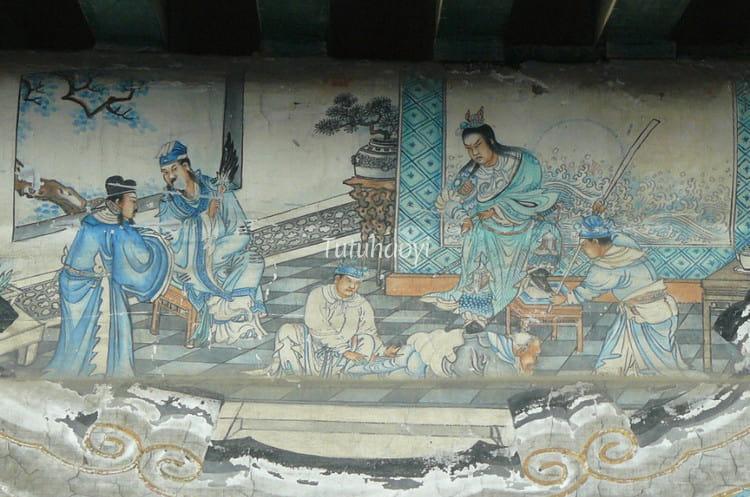
There are thirty-six well-known stratagems (三十六计) that the Chinese politicians, strategists, and businessmen have been using for millennia. One of them is the ‘ruse of inflicting pain on oneself or one’s comrades to gain the enemy’s trust’. The scene depicted here is its most famous illustration.
Zhou Yu (周瑜) was ...
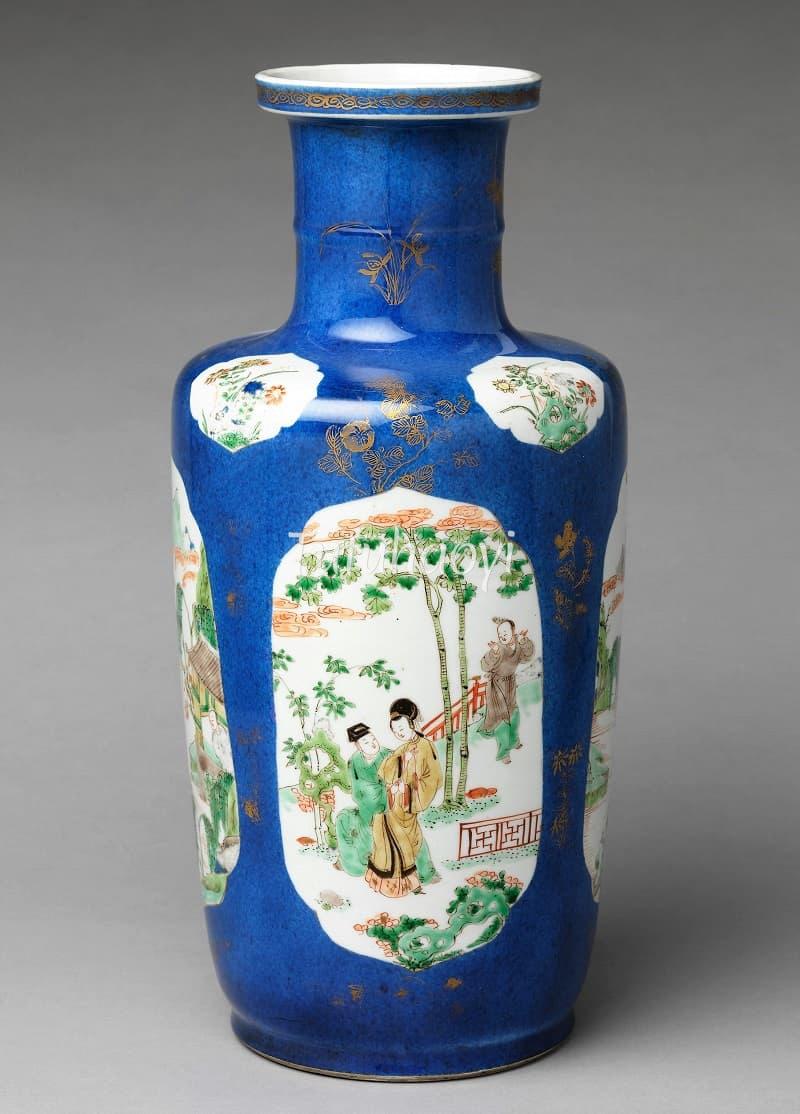
Legend of the Jade Hairpin (Yu Zan Ji 玉簪记) is a Ming-dynasty ‘marvel play’ which was the major drama genre of the time. The play, consisting of thirty-three scenes, was written by Gao Lian (高濂 fl. 1573-1581) around 1580 and remained to be a popular classic for the following three hundred years. It is a Shakespea...
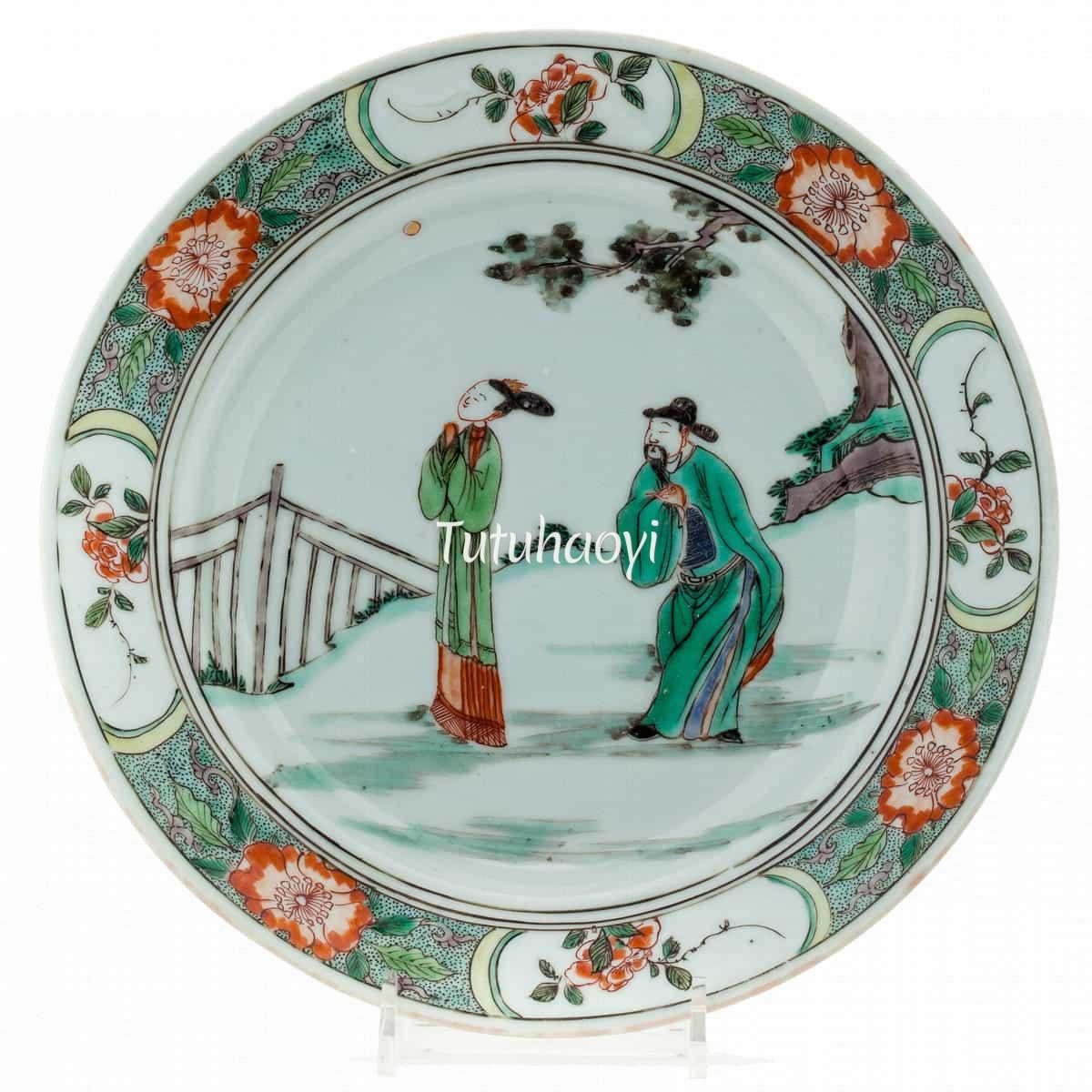
This is a scene from a popular traditional play ‘A Set of Interlocking Stratagems (连环计)’.
The war lord Dong Zhuo (董卓, ? – 192 CE) became a senior minister in the Han court. His tendency to dominate the young sovereign, Emperor Xian of Han (汉献帝, 181–234 CE), gave other ministers cause for concern. They asked Wang Y...
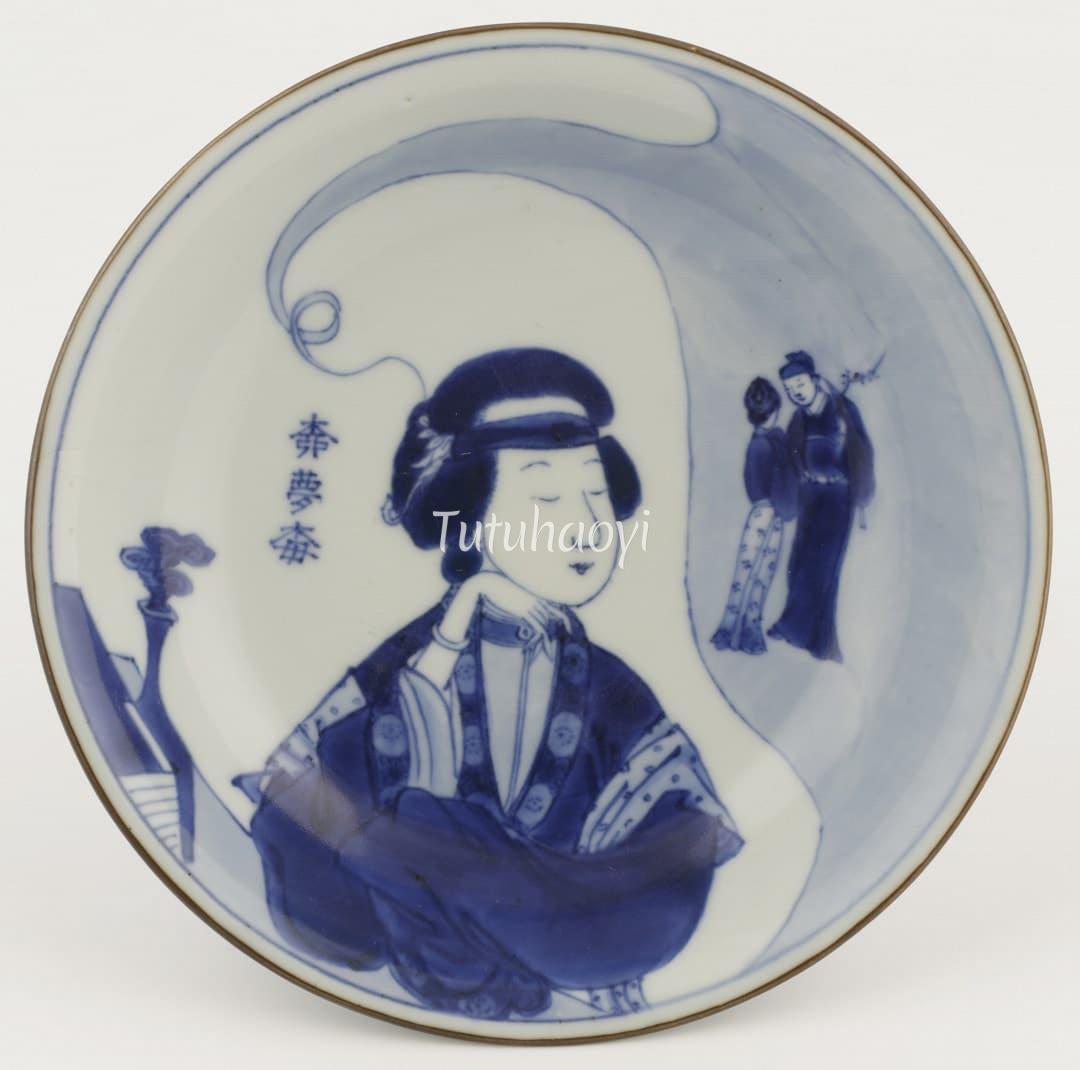
‘True love conquers all’ is the theme of the Peony Pavilion (牡丹亭 Mudan Ting), a musical play of fifty-five scenes written by Tang Xianzu (汤显祖, 1550–1616) in Ming...
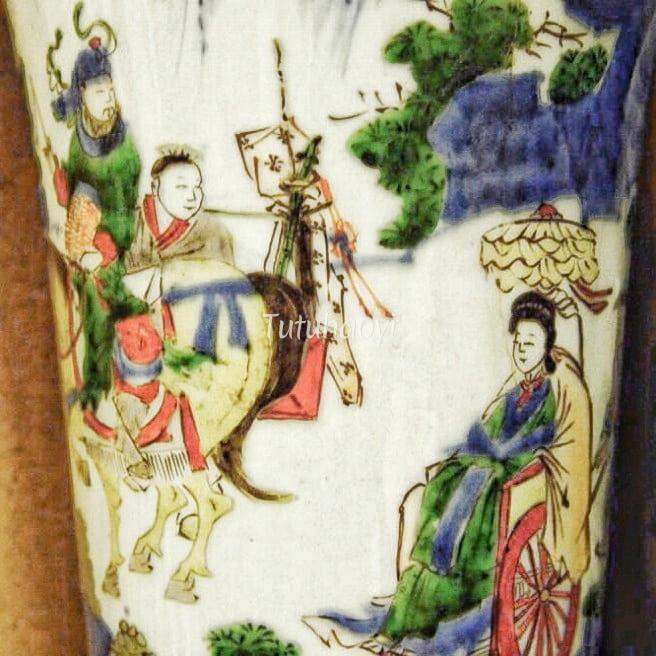
This scene is an episode from the Ming drama ‘The Story of the Girl Holding ...
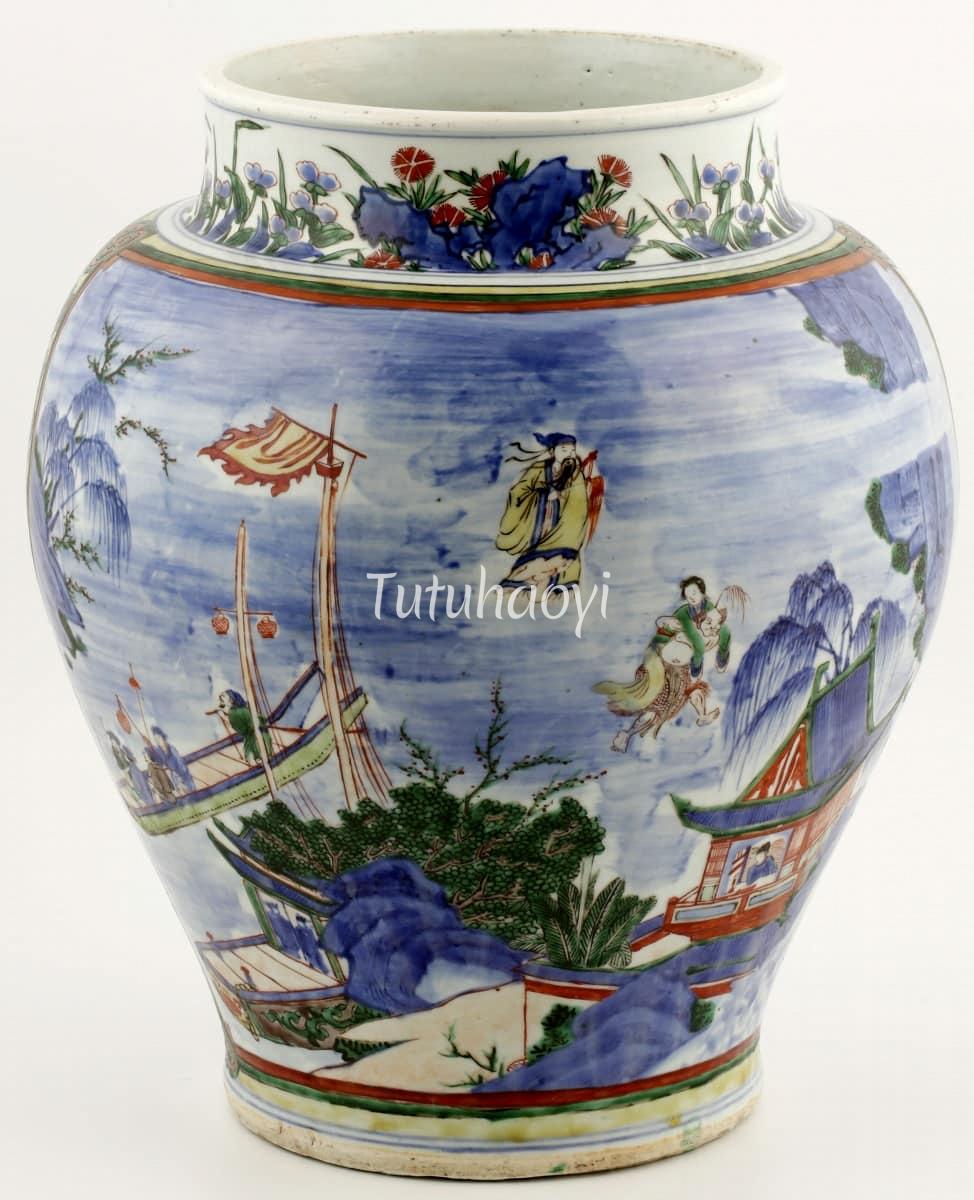
The Ming-dynasty play The Story of the Blue Robe (青袍记 Qingpao ji, also called《梁氏父子传胪记》) tells the story of how Lv Dongbin (吕洞宾 Lü Dongbin or 吕纯阳), one of the Continue Reading
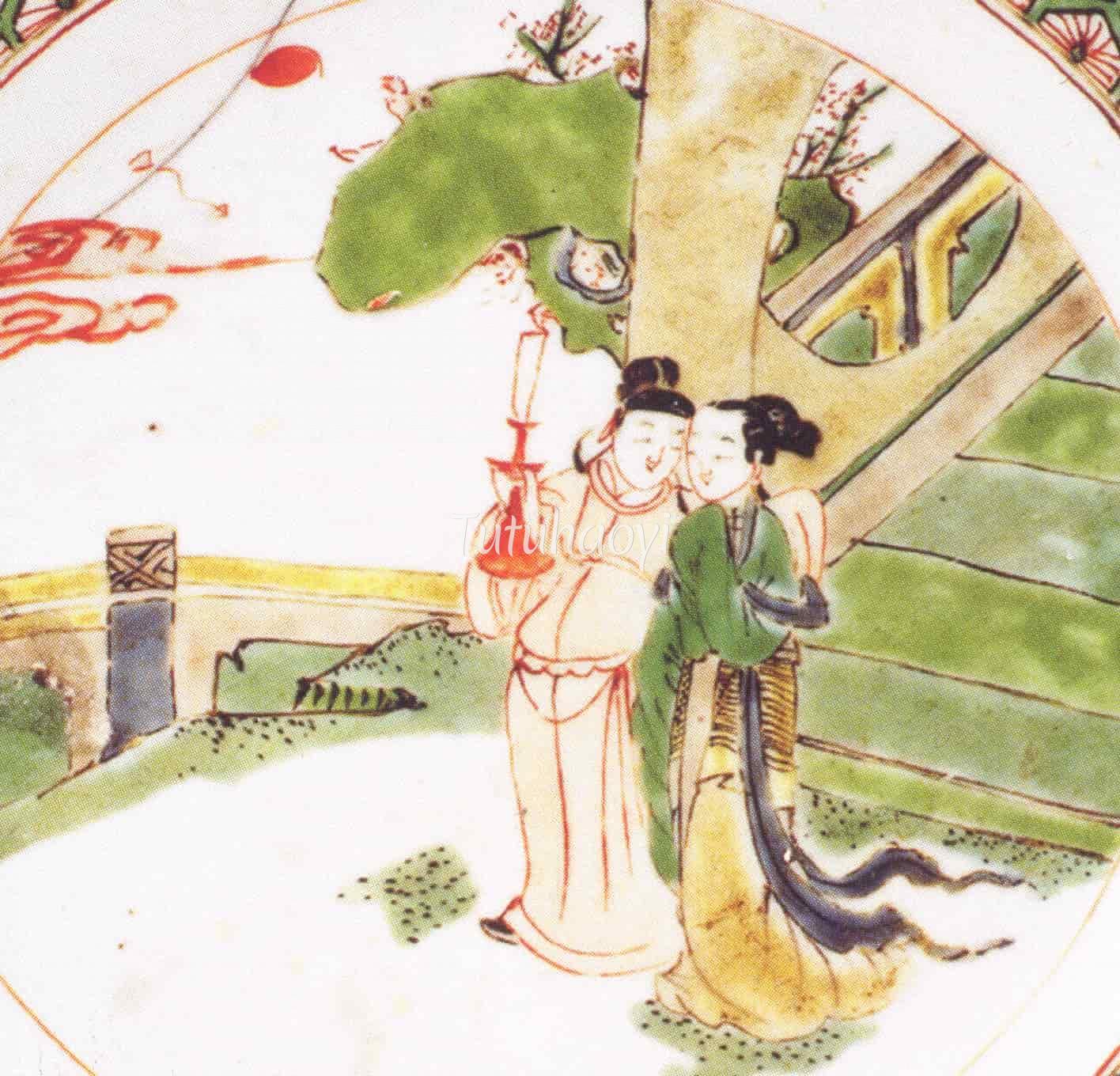
Romance of the Western Chamber (西厢记 Xixiang ji) is the most popular love comedy in late imperial China. In the story, Scholar Zhang (张生 Zhang Junrui) falls in love with a beautiful lady named Cui Yingying (崔莺莺), who happens to be stranded in a monastery with her widowed mother and, after plenty of twist...
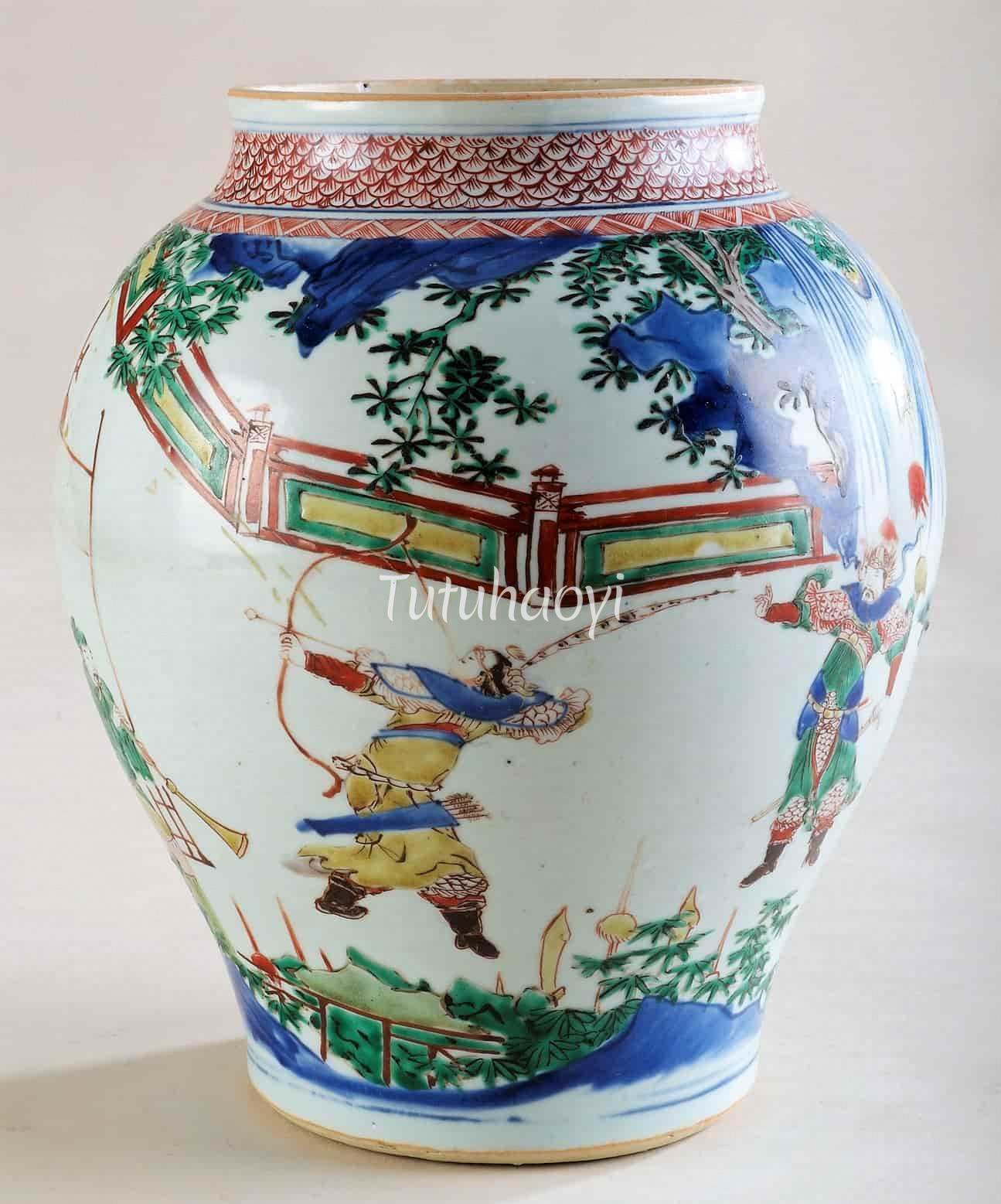
Lv Bu (吕布 Lü Bu, died 199 CE) is known as an almost unchallenged fighter in the period of the Three Kingdoms (三国, 220-280 CE) in Chinese history. The scene on the vase depicts a crucial moment when Lv Bu’s exceptional archery stunt astounded all the generals and soldiers present and then successfully quelled an ...
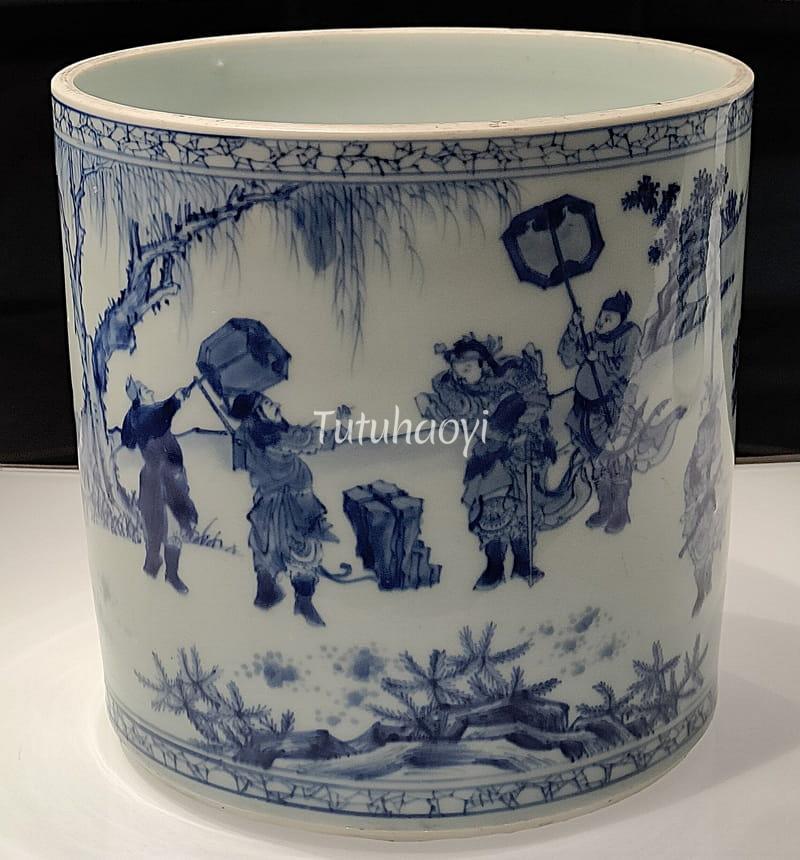
In the 14th-century historical novel, Romance of the Three Kingdoms (三国演义 – 甘露寺招亲), the generals in the Dongwu (东吴) kingdom conspired to murder Liu Bei (刘备), head of the Shu Han (蜀汉) kingdom, by inviting him to their territory with the promise of their king Sun Quan (孙权)’s sister for his wife. When Liu Bei...