Showing Results Containing
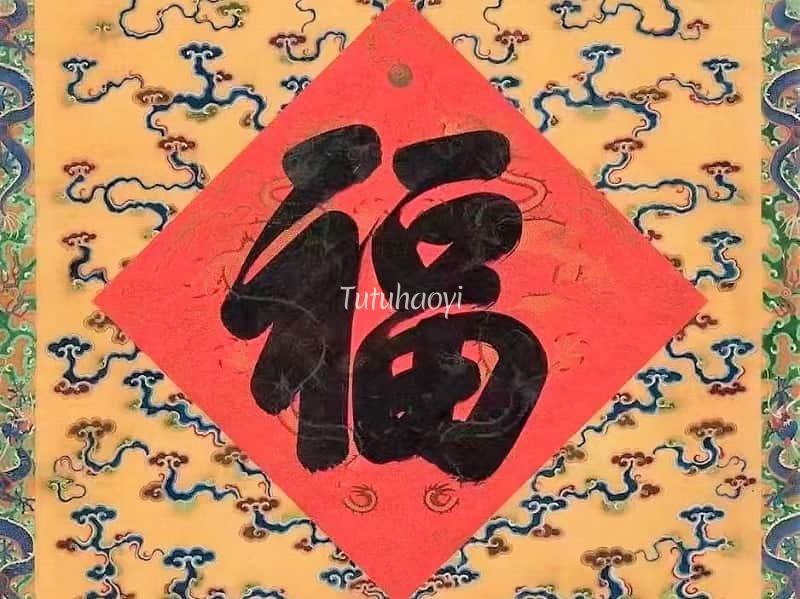
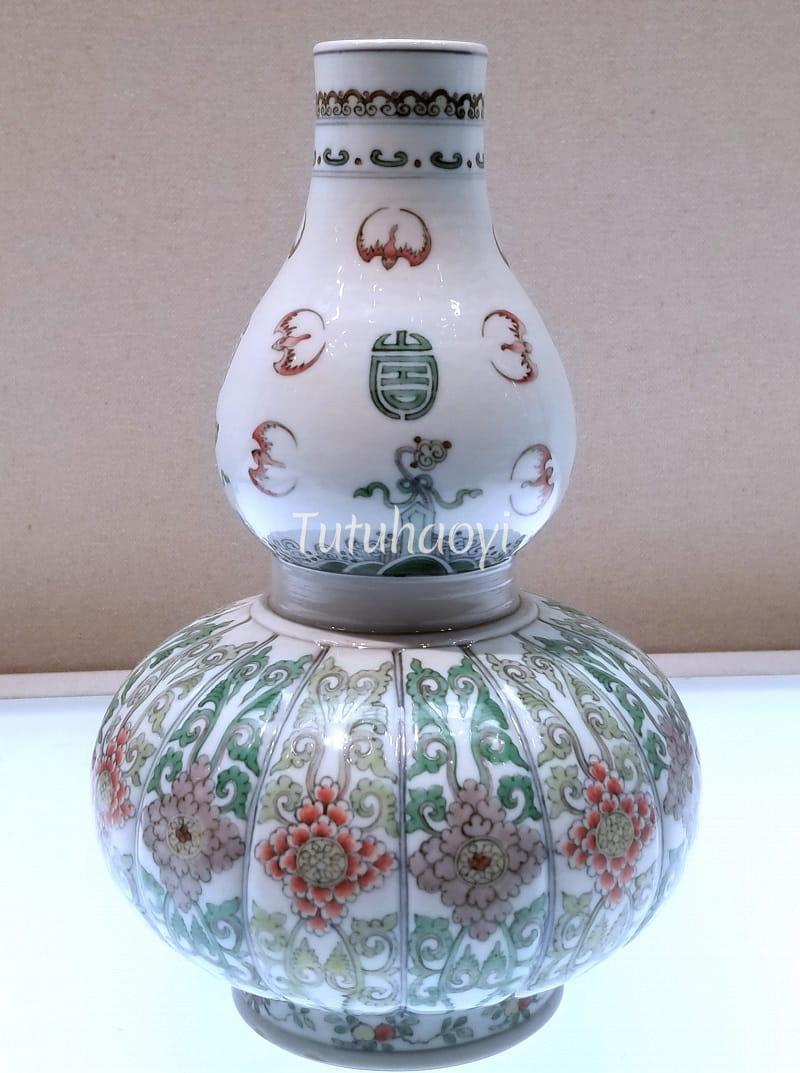
‘福 fu’, a Chinese character bearing an auspicious meaning of ‘good fortune’, has been used often in Chinese decorative arts. Dr Yibin Ni will tell you some interesting stories related to this character and how the intended meaning is represented i...
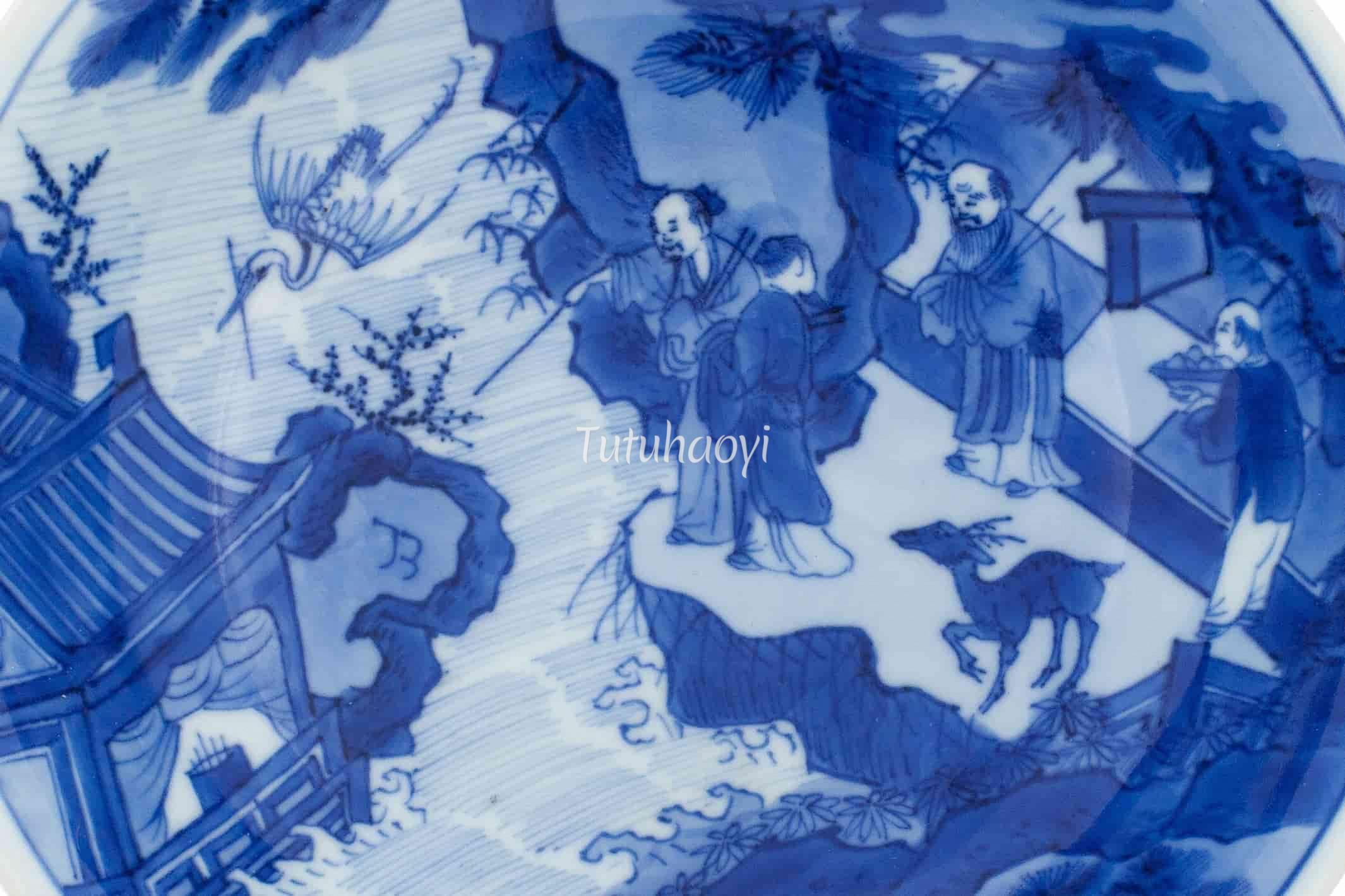
More often than not, traditional Chinese motifs or symbols are not receiving their deserved attention, being given simplistic or inadequate labels and inaccurate explanations in our museums, catalogues, or even scholarly writing. The treatment of ...
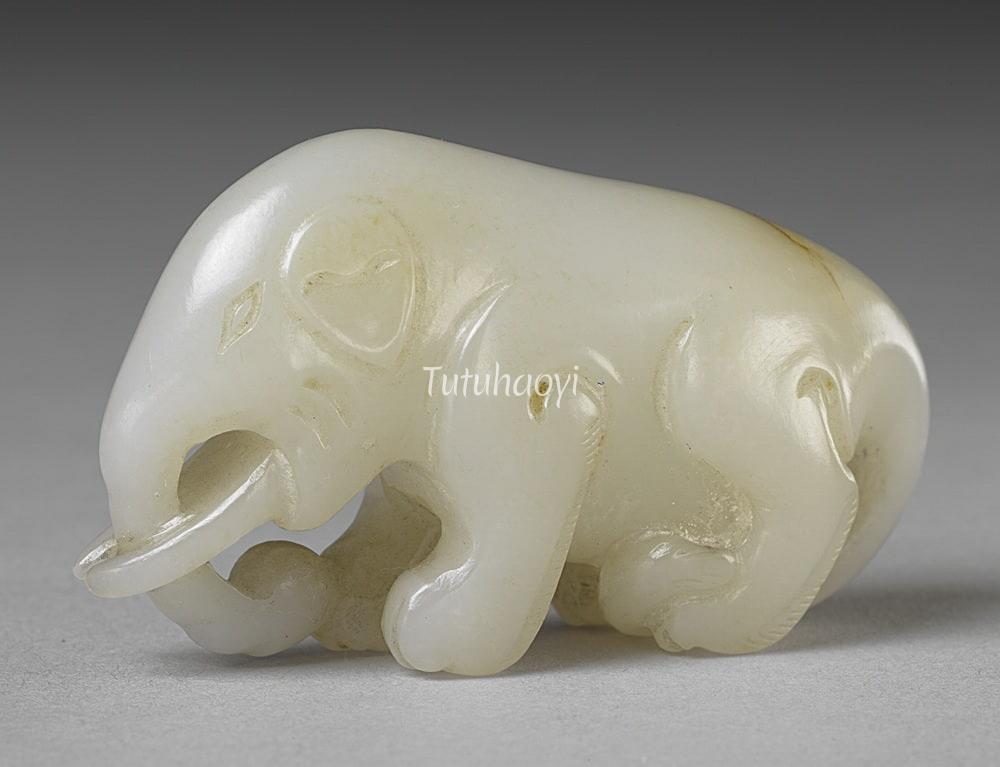
Ancient Chinese rulers used elephants in battle, and the animal has long been a symbol of strength, prudence, and wisdom. The Chinese character for elephant, 象 (xiàng), is a homophone of 祥 (xiáng), meaning ‘auspicious’ or ‘lucky’. As a result, elephants frequently appear in Continue Reading
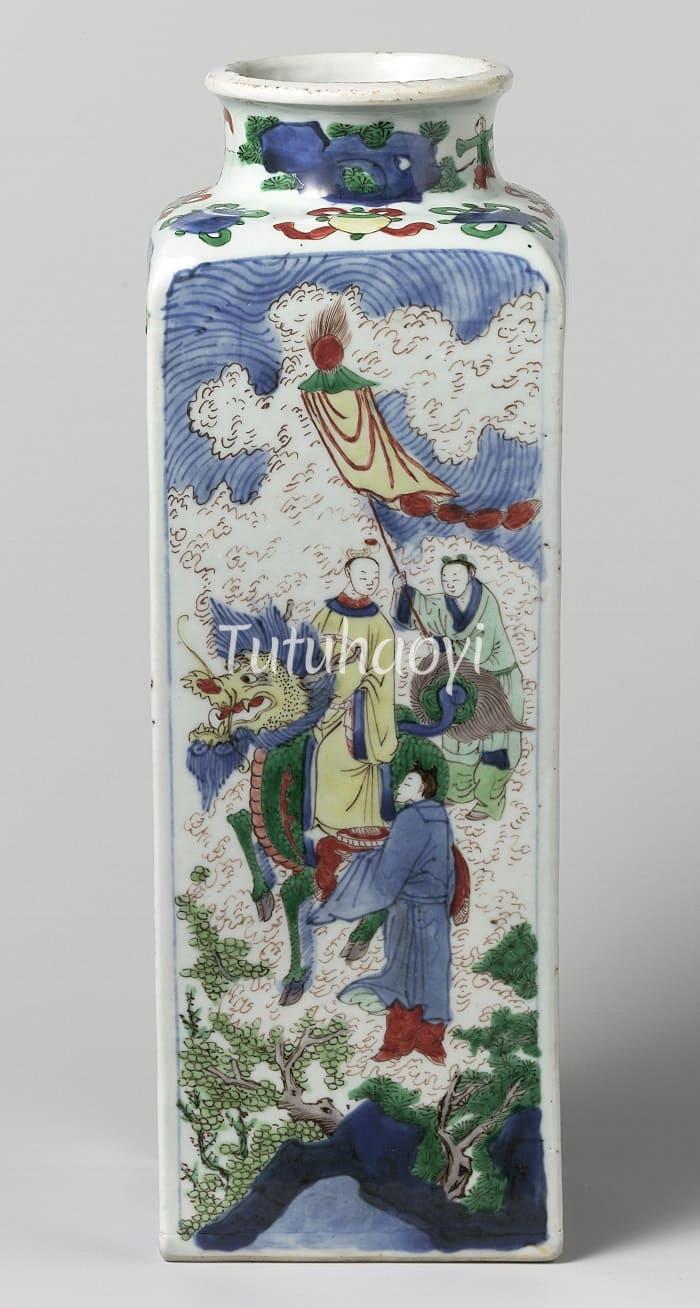
This is a legendary story about the birth of Confucius (551 BCE – 479 BCE), the renowned philosopher from ancient China during the Spring and Autumn Period (770 BCE – 475 BCE).
According to The Family History of Confucius (孔子家语), Confucius’ father, Shuliang He (叔梁纥), had nine daughters but no sons from hi...
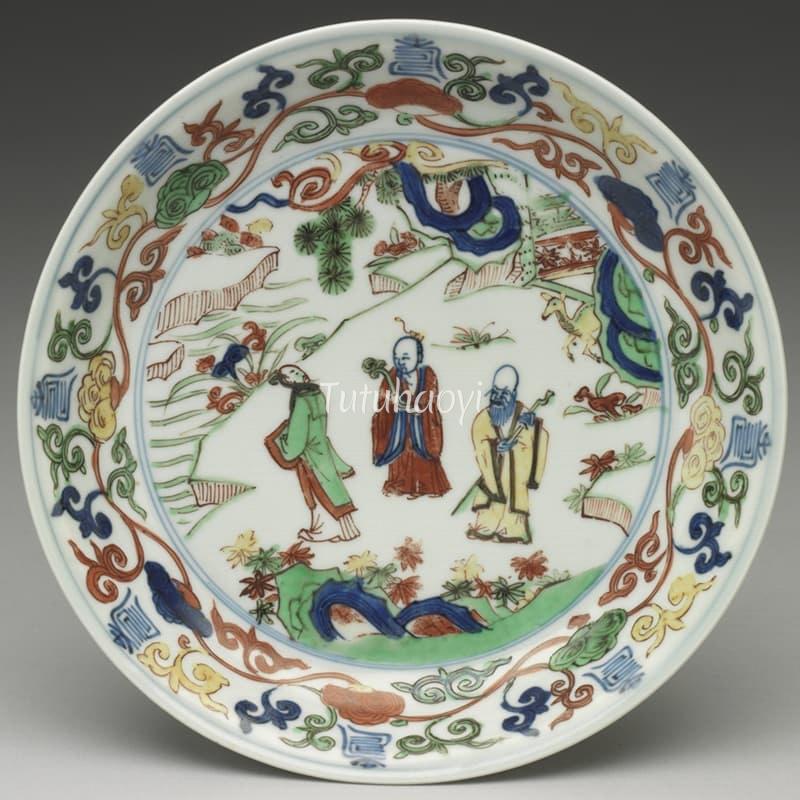
The figures of Three Star Gods are personified representation of Good Fortune, Prosperity, and
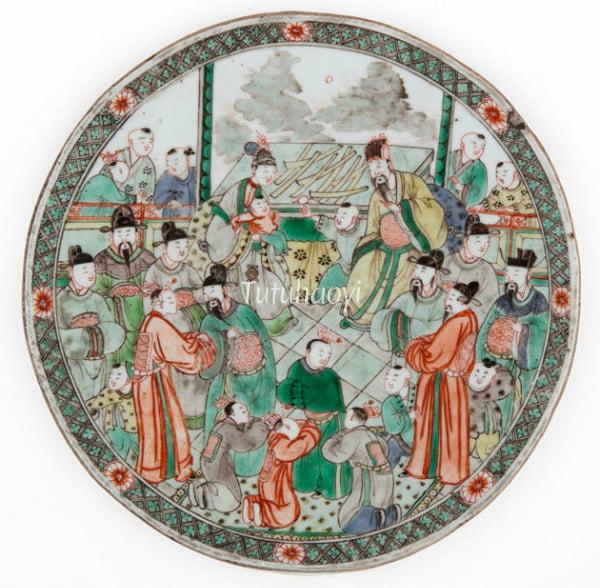
Guo Ziyi (郭子仪 697–781), a native of Huazhou 华州 (a county near present-day Xi’an 西安), was the most prominent general-statesman of the Tang dynasty. For the great part of nearly thirty years and under a succession of four different emperors, he played a key role in maintaining the stability of the country. He helped to
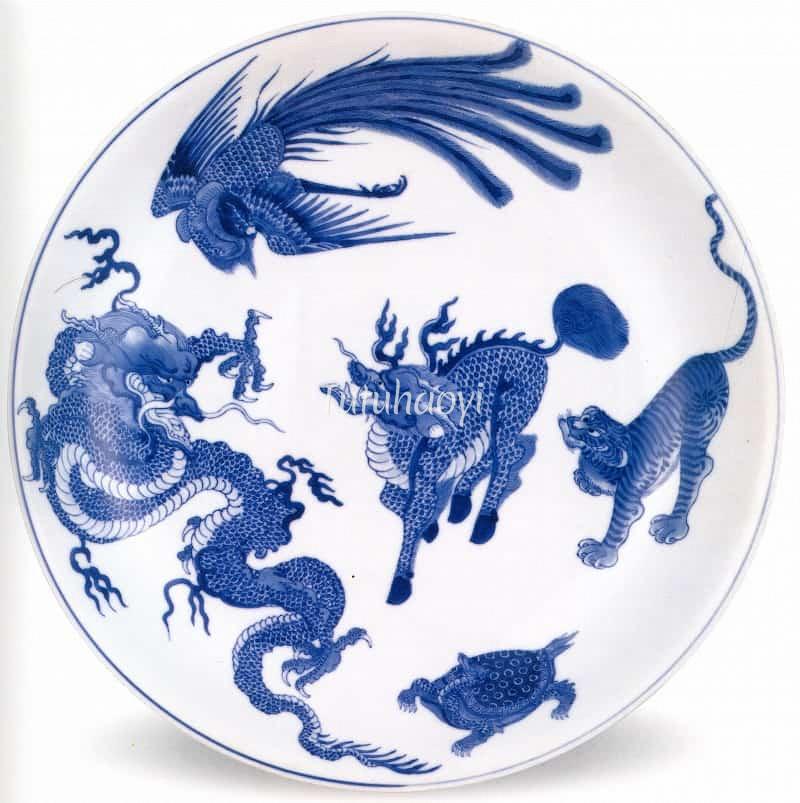
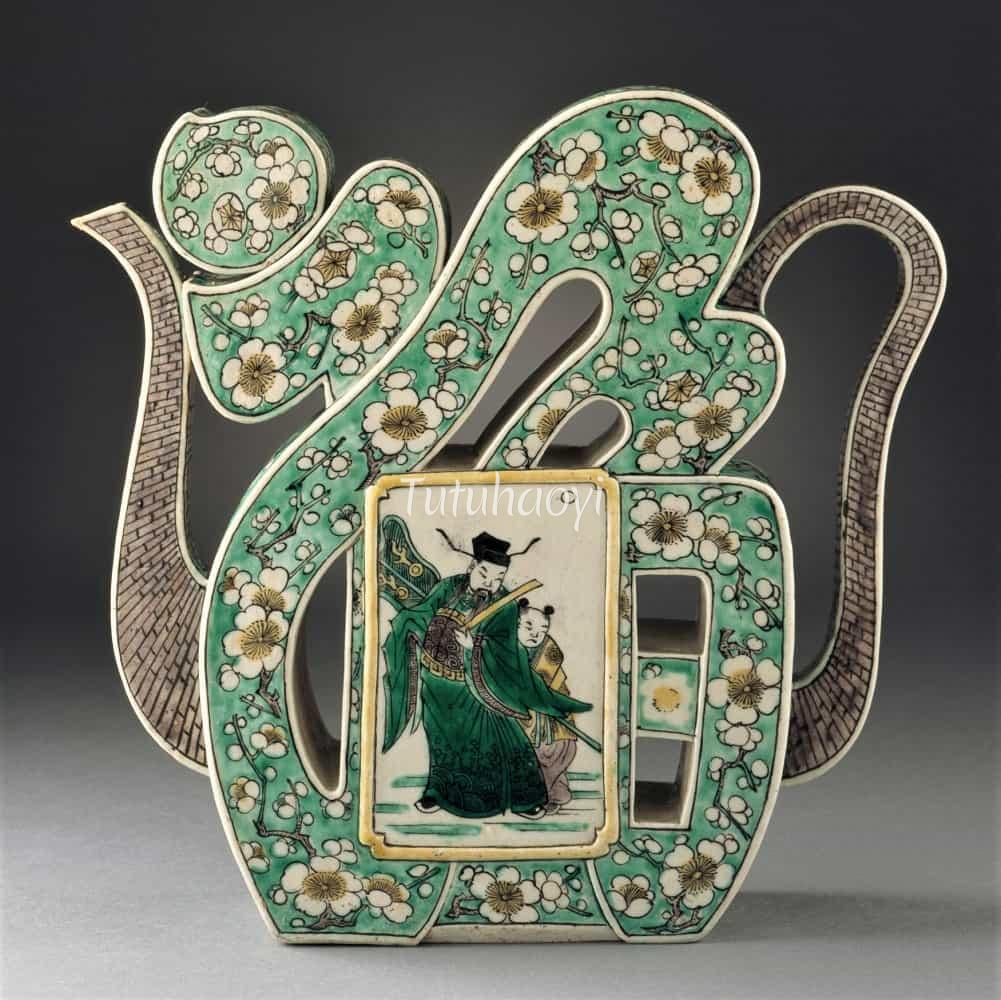
In the oracle bone script, the earliest form of the Chinese characters, the pictograph ‘福 (fu)’ consists of a pair of hands holding a wine jar in front of a sacred ancestral symbol. It means that, if the ancestors were pleased properly with right offerings, good fortune would come to bless the descendants.
<...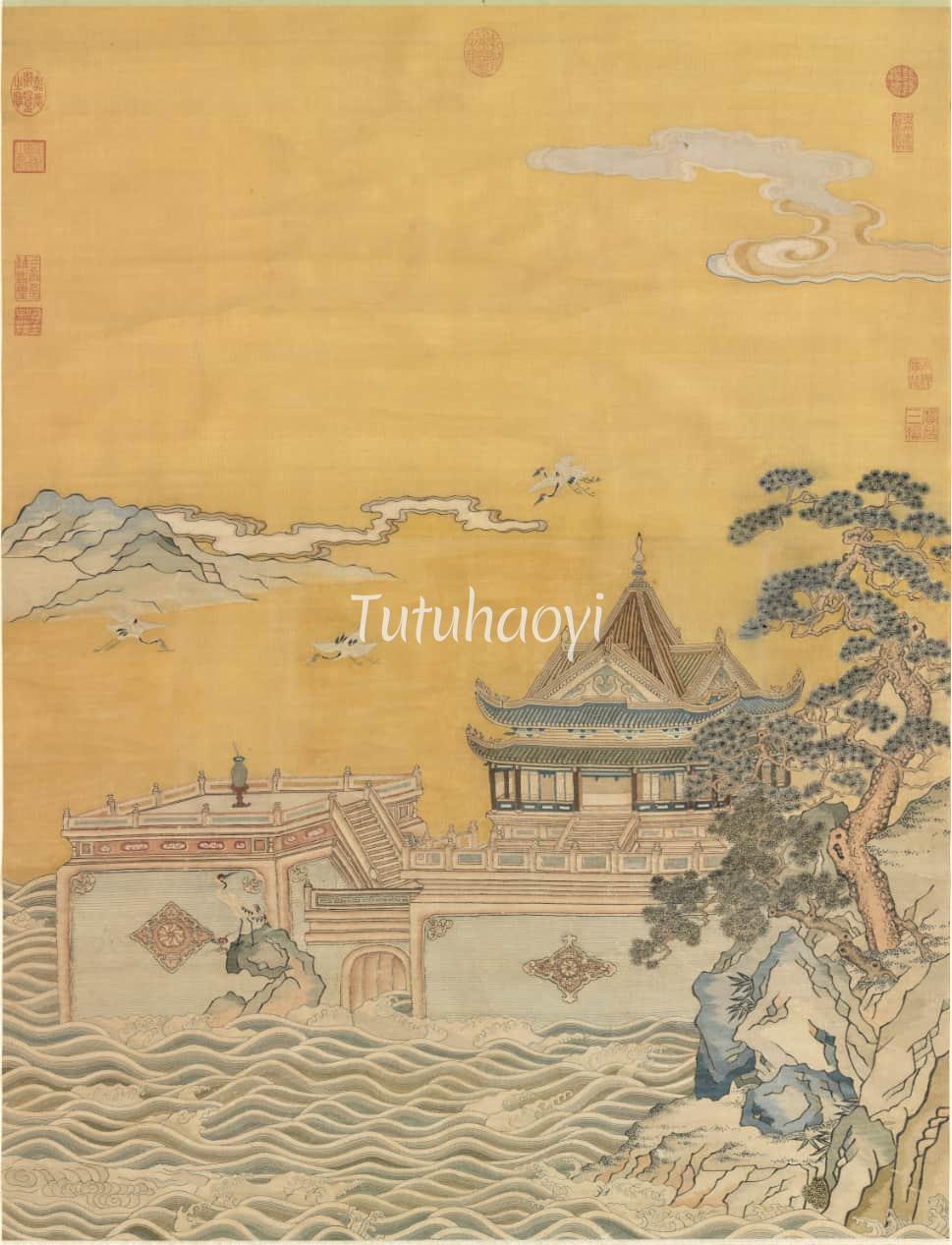
In this scene, there are several Chinese longevity symbols such as the
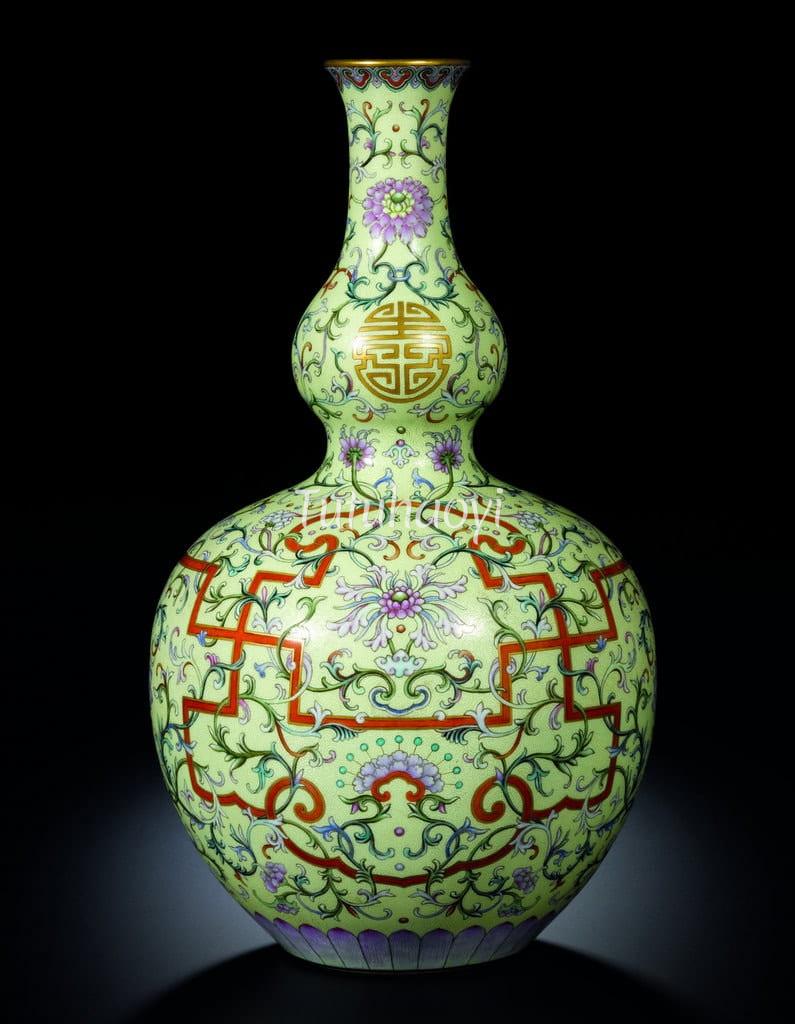
Either the clockwise swastika 卐 or the counterclockwise sauwastika 卍 is used interchangeably in Chinese decorative arts as well as in some religious contexts. Sometimes, the two opposite versions can co-occur on the same occasion without making a difference in meaning. Swastika is a very old symbol in the cultures scatte...
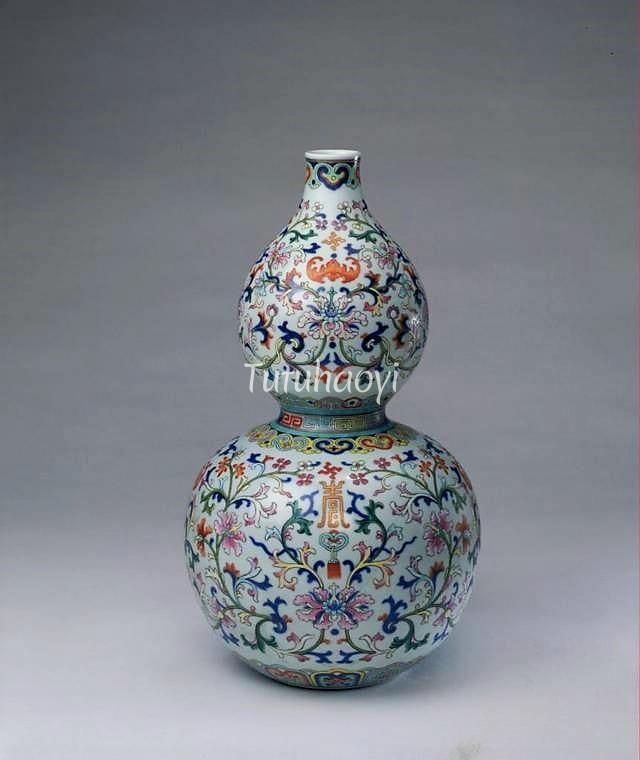
When swastika is combined with the Chinese character Continue Reading
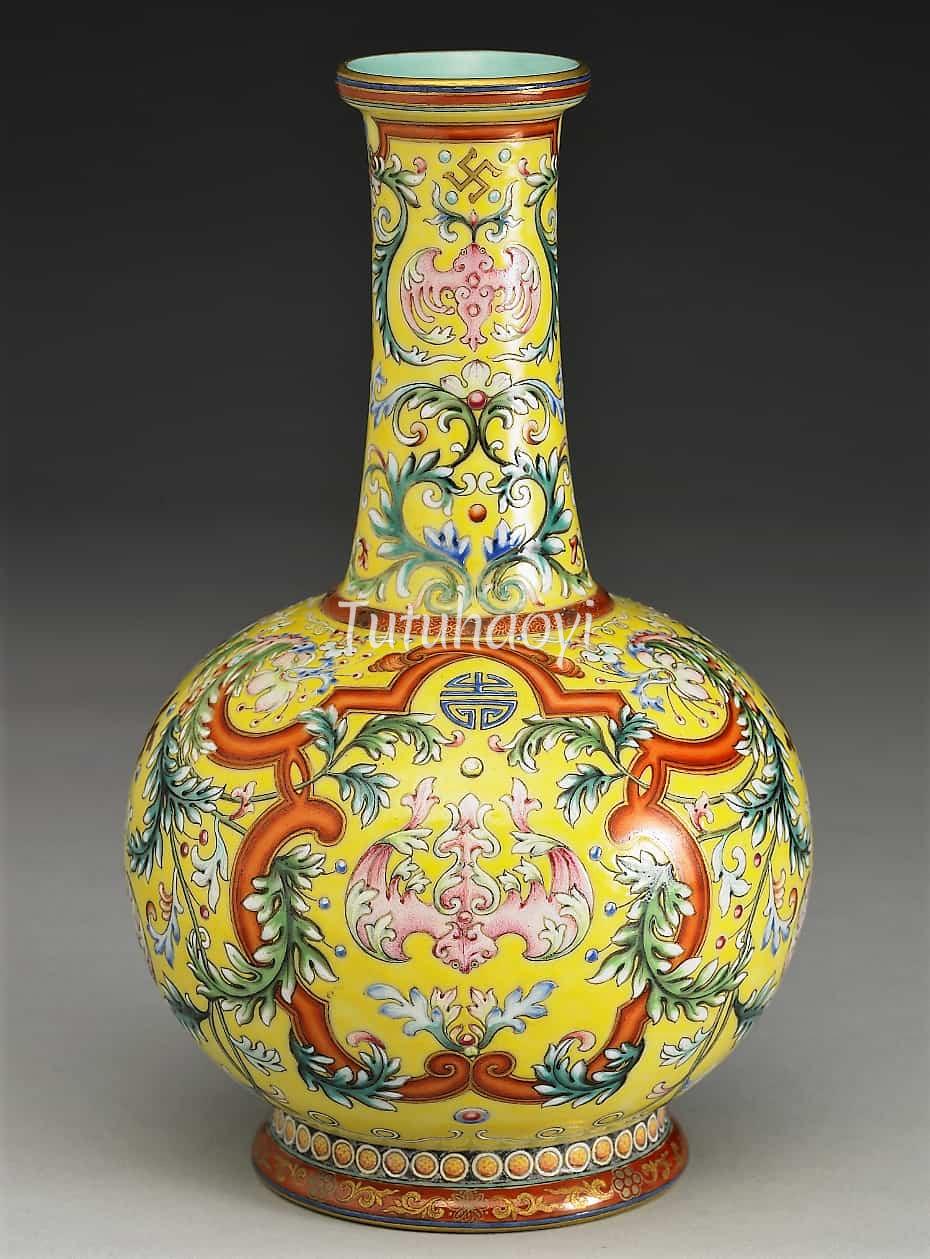
Either the clockwise swastika 卐 (sounding ‘wan’ 万) or the counterclockwise sauwastika 卍 is used interchangeably in Chinese decora...
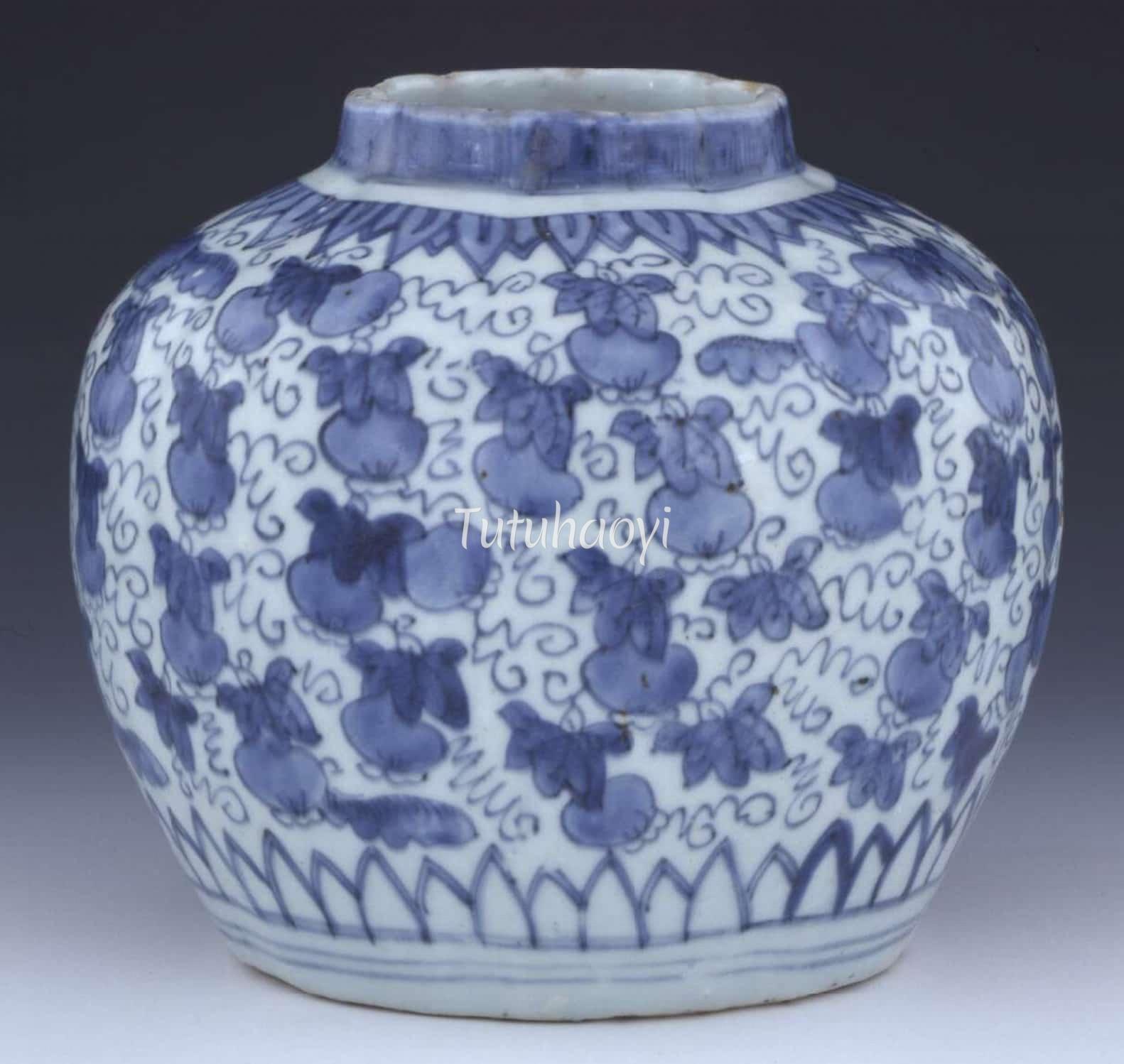
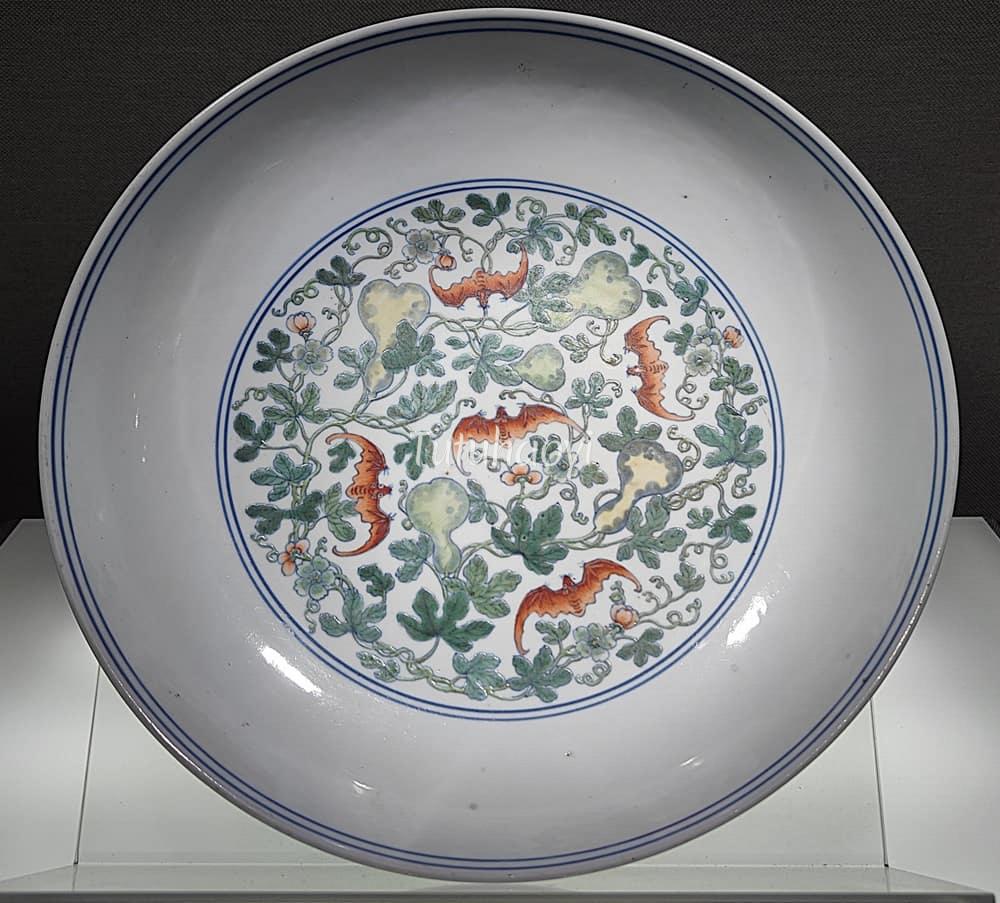
Gourd (葫芦 hu lu) in Chinese is pronounced similar to ‘fu (福, fortune)’ and ‘lu (禄, wealth)’, therefore its image is often used as a pun picture referring fortune ...
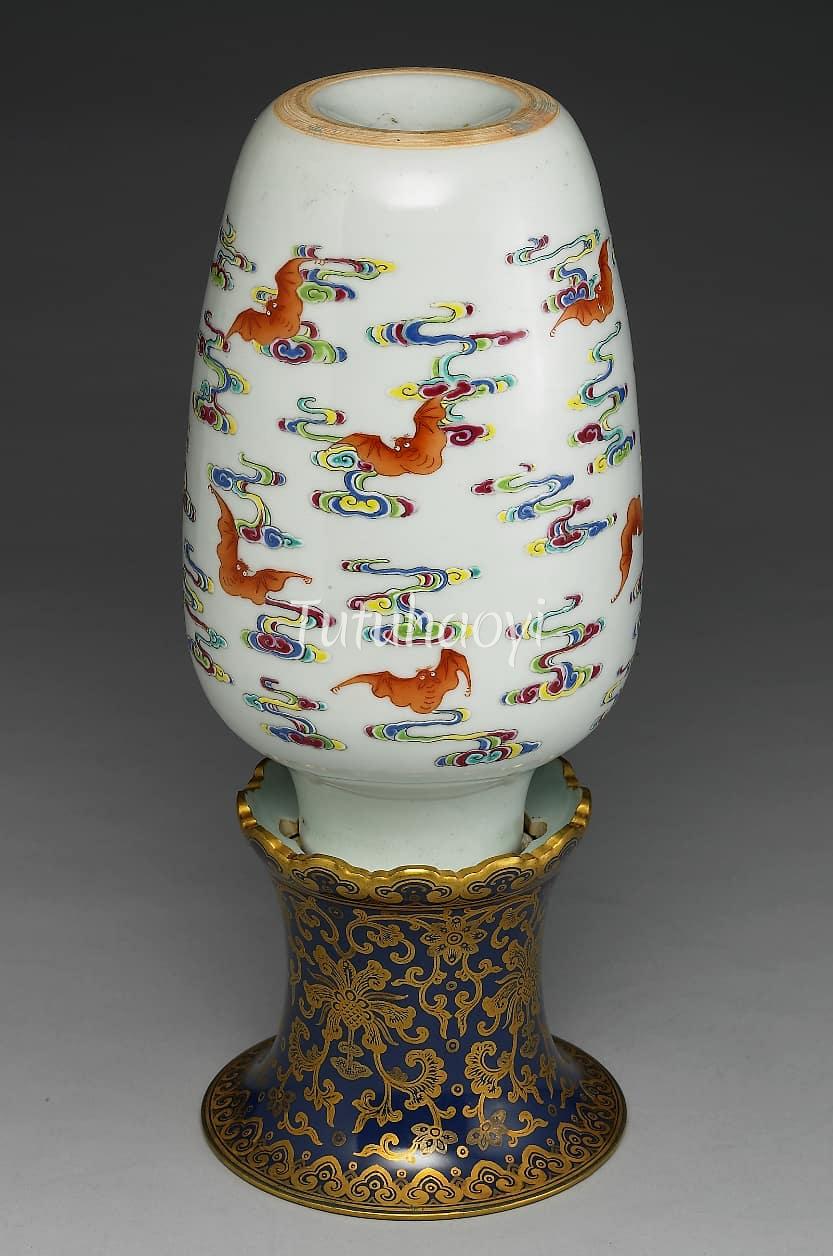
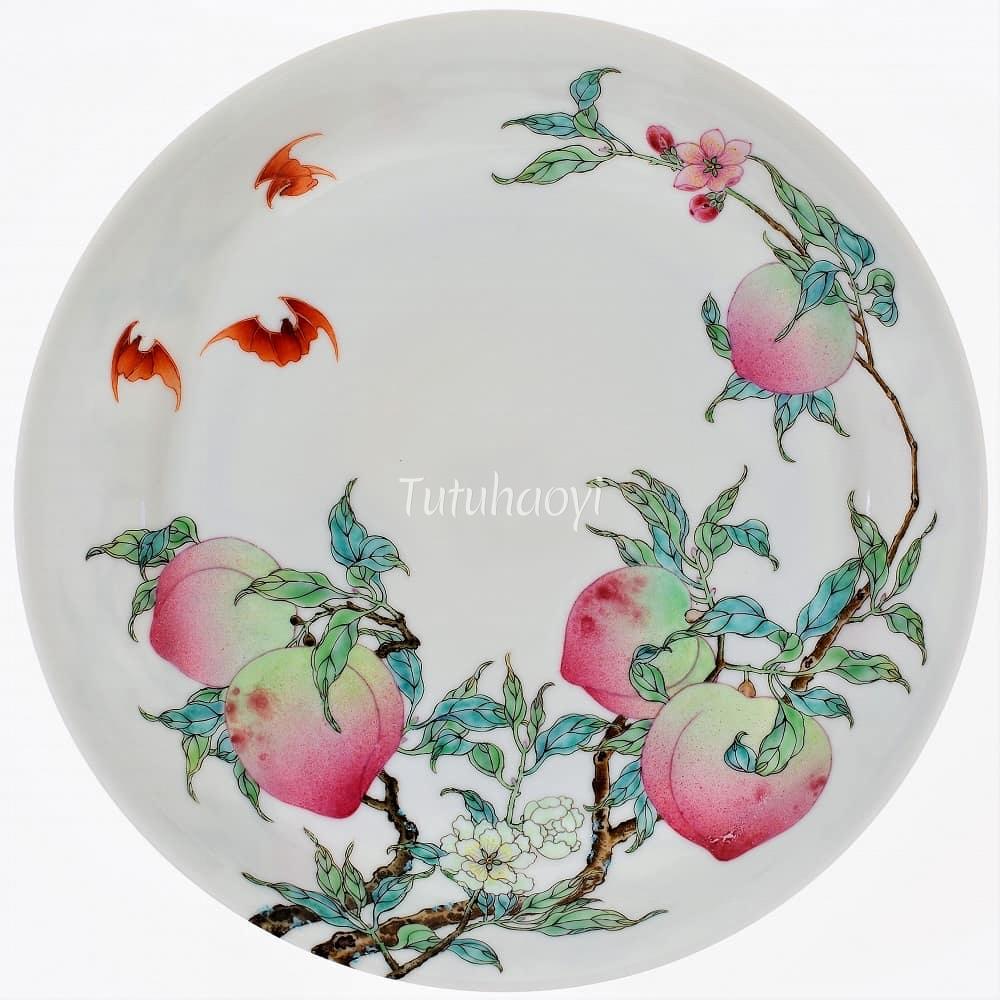
Bats in Chinese is called bian fu (蝙蝠) or fu (蝠). The image of bats is often used to represent ‘good luck’ or ‘good fortune’ in Chinese decorativ...
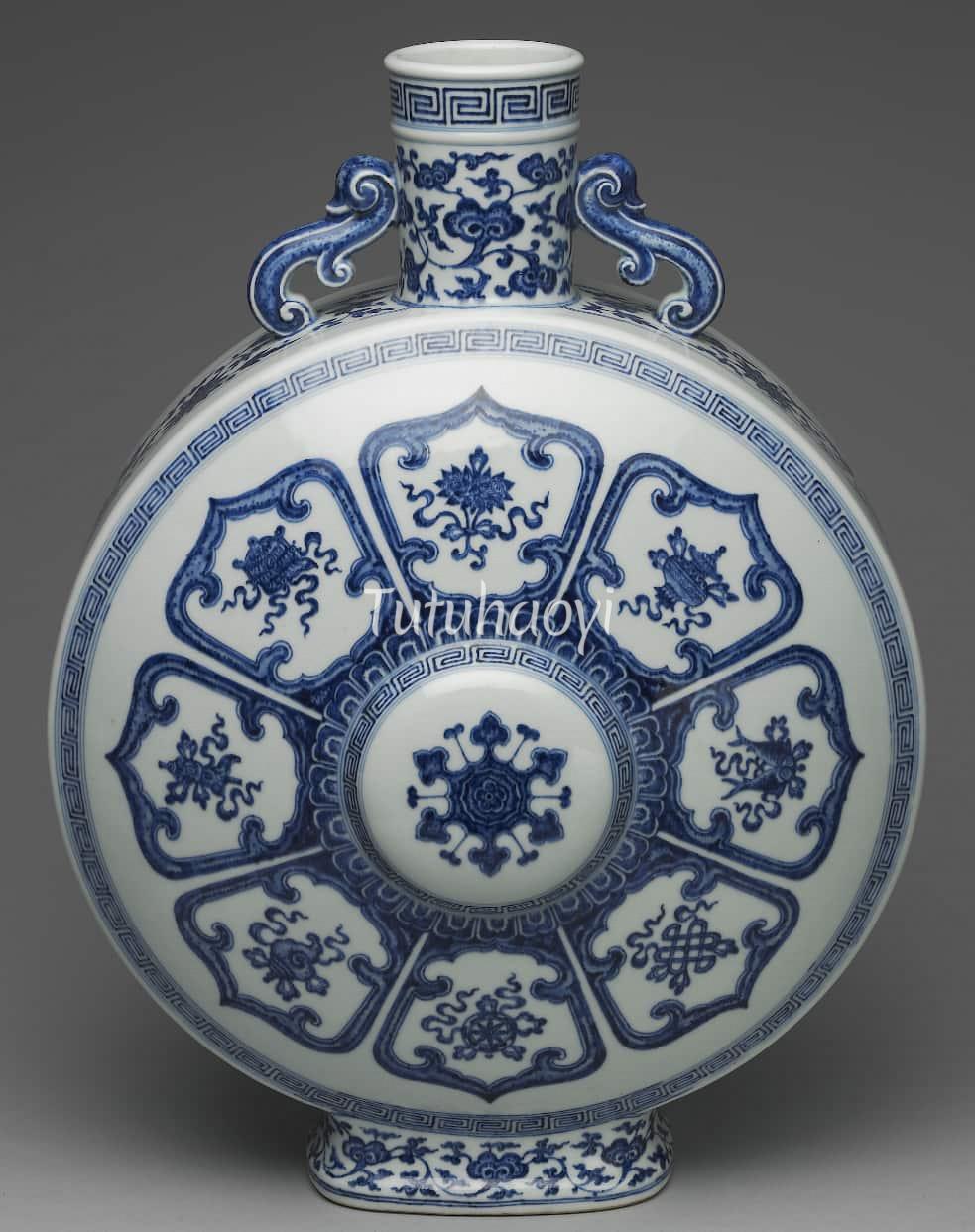
The Eight Auspicious Emblems, also known as ‘ba bao’ (八宝, Eight Treasures), or ‘ba rui xiang’ (八瑞相, Eight Symbols of Good Fortune), are a set of symbols in traditional Tibetan Buddhism. These symbols are often depicted together, bringing positive energy, Continue Reading