Showing Results Containing
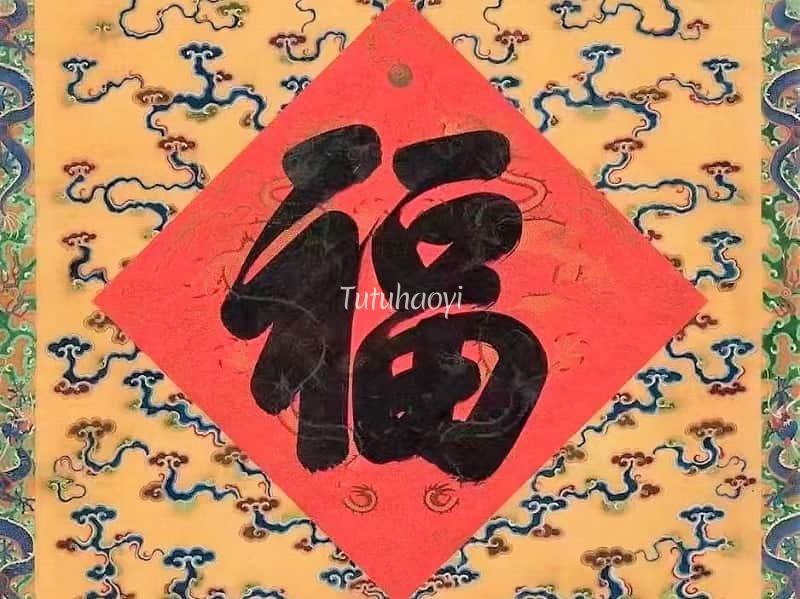
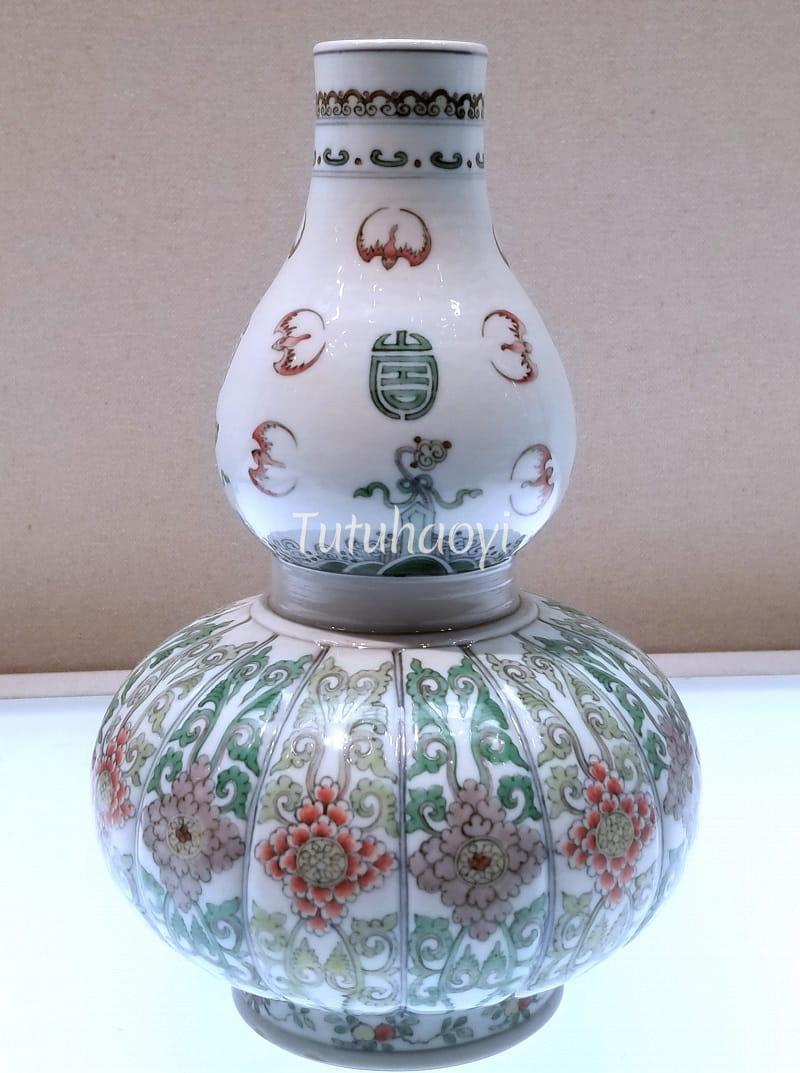
‘福 fu’, a Chinese character bearing an auspicious meaning of ‘good fortune’, has been used often in Chinese decorative arts. Dr Yibin Ni will tell you some interesting stories related to this character and how the intended meaning is represented i...
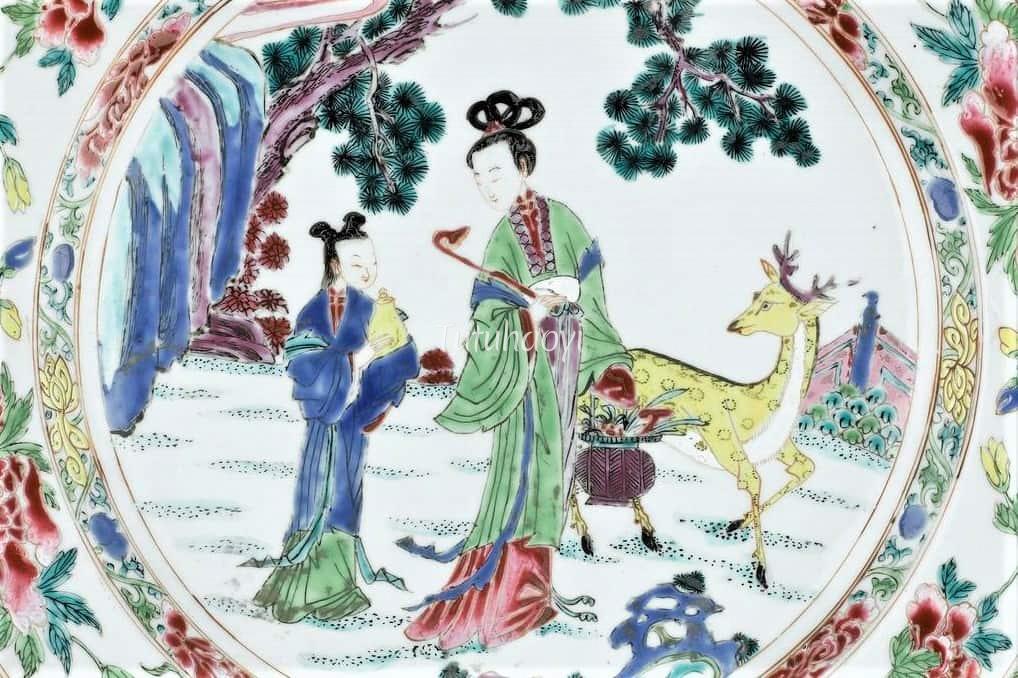
Chinese people deeply respect the elderly and traditionally consider a long existence to be one of the most important blessings in a person’s life. Here are many examples of how artists have combined a variety of longevity symbols to reinforce the...
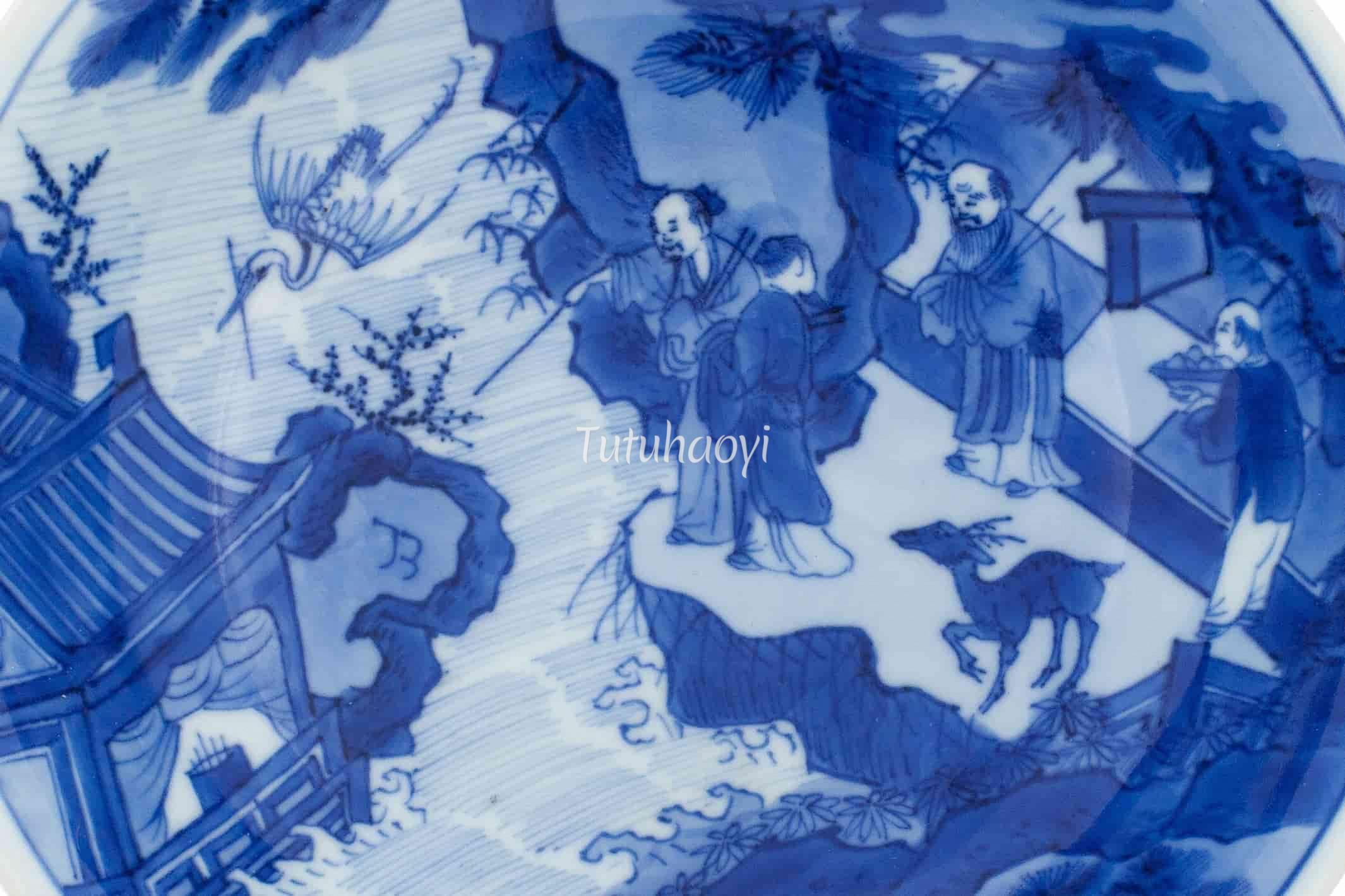
More often than not, traditional Chinese motifs or symbols are not receiving their deserved attention, being given simplistic or inadequate labels and inaccurate explanations in our museums, catalogues, or even scholarly writing. The treatment of ...
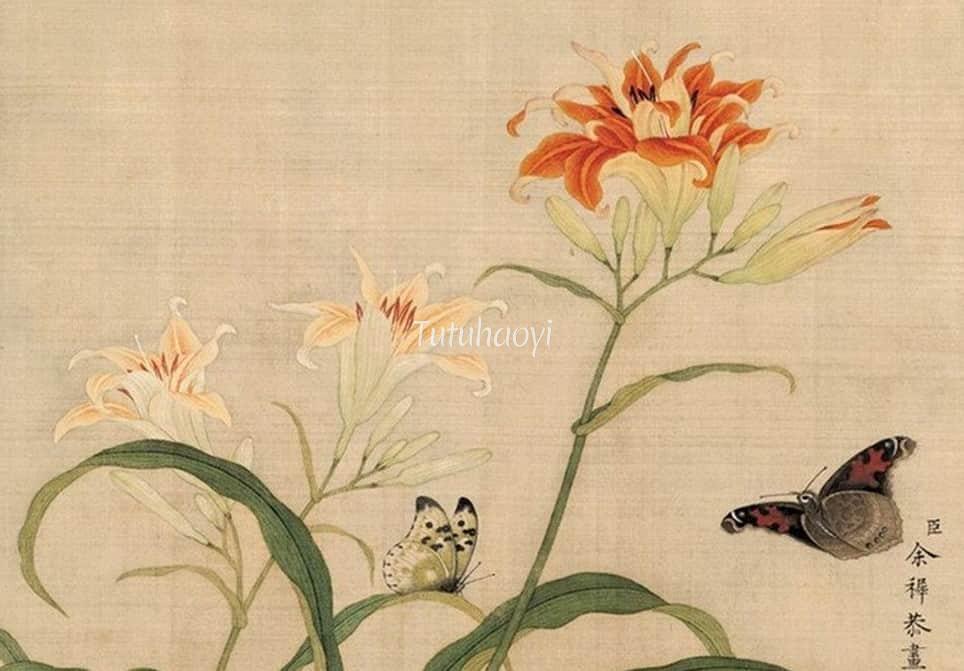
Dr Yibin Ni has discussed the differences of symbolic meanings of lily between Western and Chinese cultures in his unique research, bringing new insight into pictorial art.
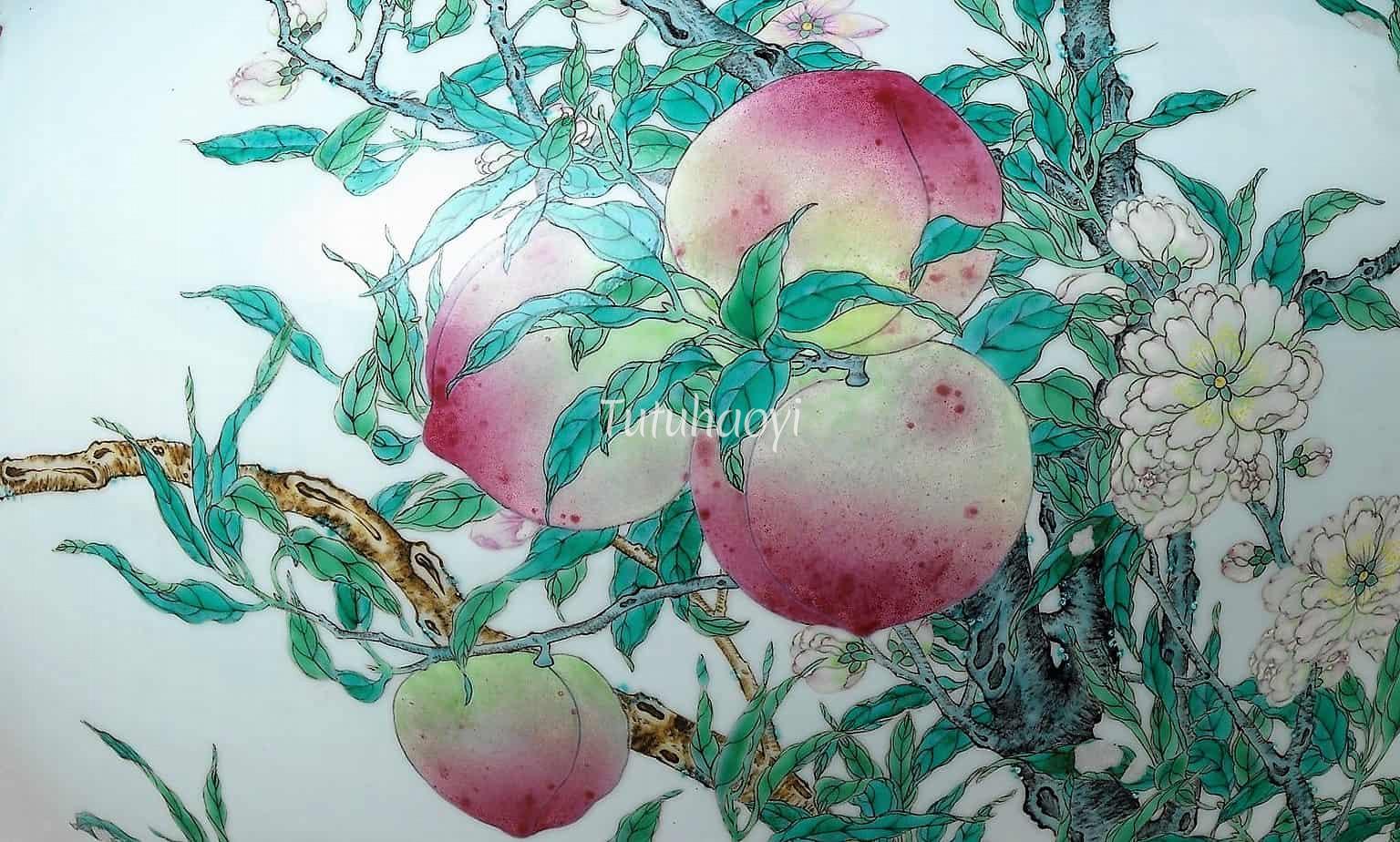
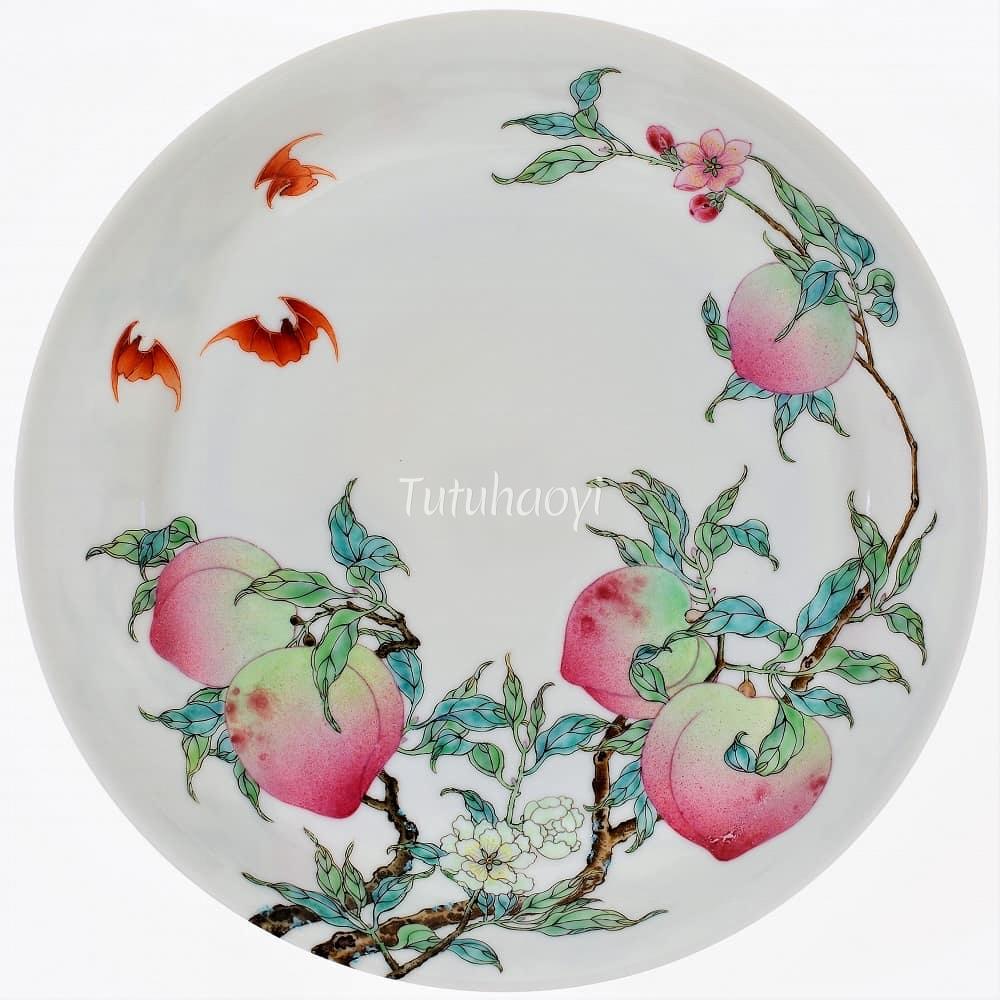
In Chinese culture and pictorial art, the peach fruit is often used to wish for long life on birthday parties. How does this fruit become associated with the idea of longevity? Here is Dr Yibin Ni explaining to us the origin of legendary stories r...
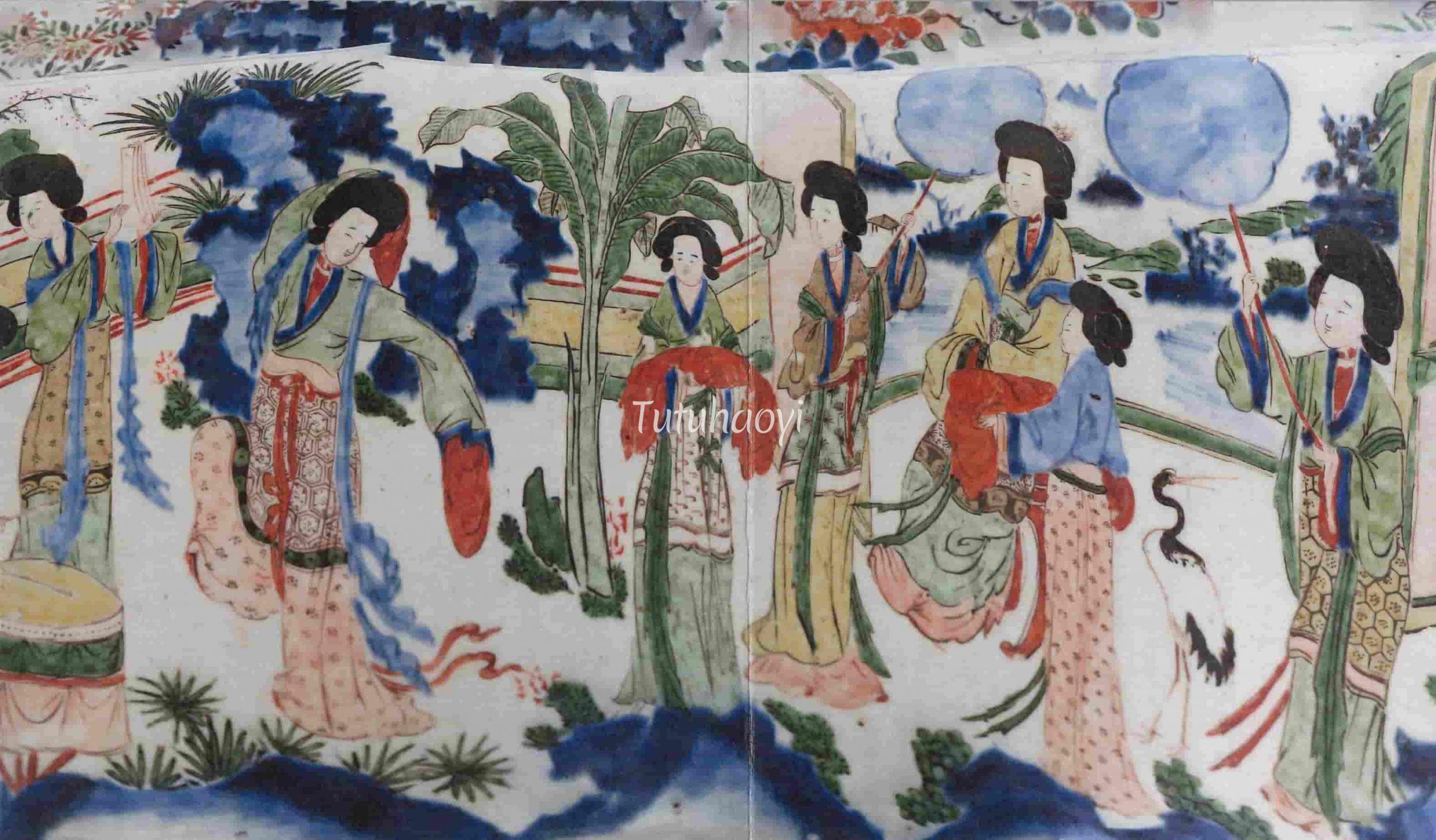
This is an overview by Dr Yibin Ni on how the topic of ‘The Birthday Party of the Queen Mother of the West’ was depicted on Chinese artworks, from woodblock print during Ming dynasty to scroll painting and porcelains in Qing dynasty.
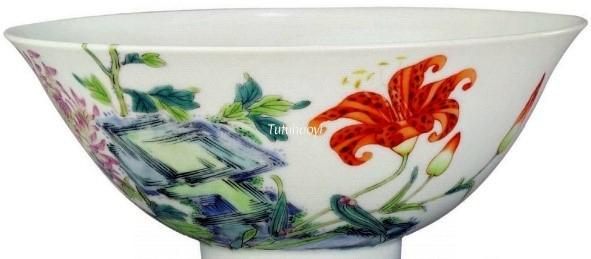
Is choosing a gift for your mother a difficult task? Not so much if your mother is a big fan of Chinese art. In traditional Chinese decorative arts, there are various images symbolising or referring motherhood. Lily flower is a typical exampleR...
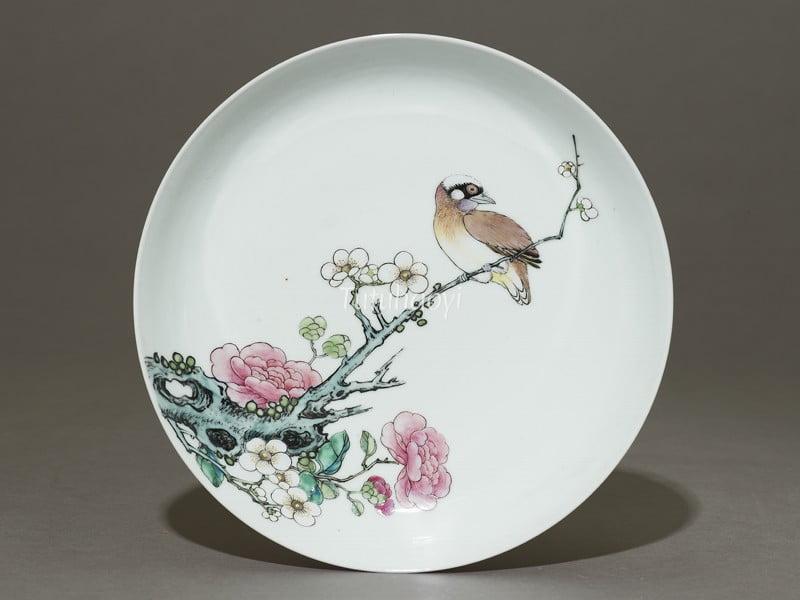
‘Fu Gui Bai Tou 富贵白头’ is interchangeable with ‘Bai Tou Fu Gui 白头富贵’, with the same meaning of ‘May you enjoy wealth and high position ...
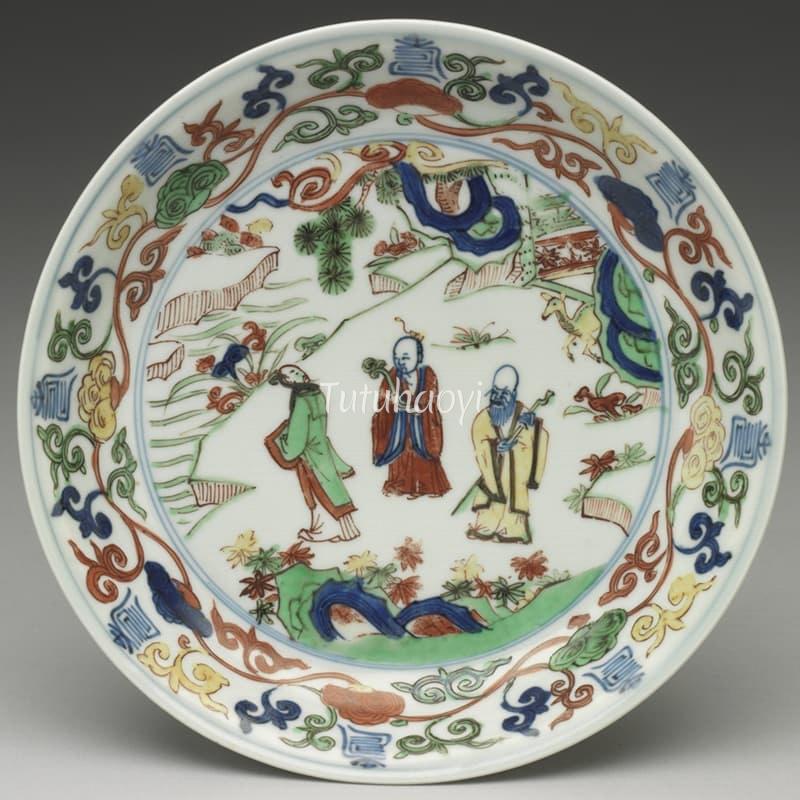
The figures of Three Star Gods are personified representation of Good Fortune, Prosperity, and
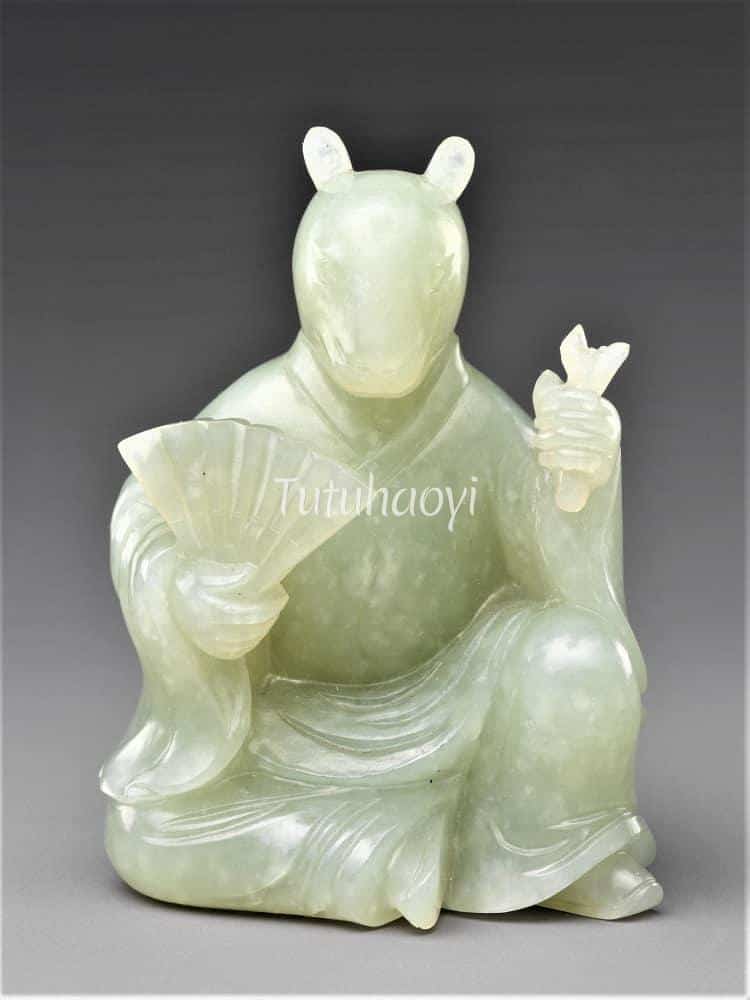
In an ancient Chinese book, The Huainanzi (淮南子 The Discourses of the Huainan Masters), compiled around 139 BCE, there was a legendary story about a fairy lady, Continue Reading
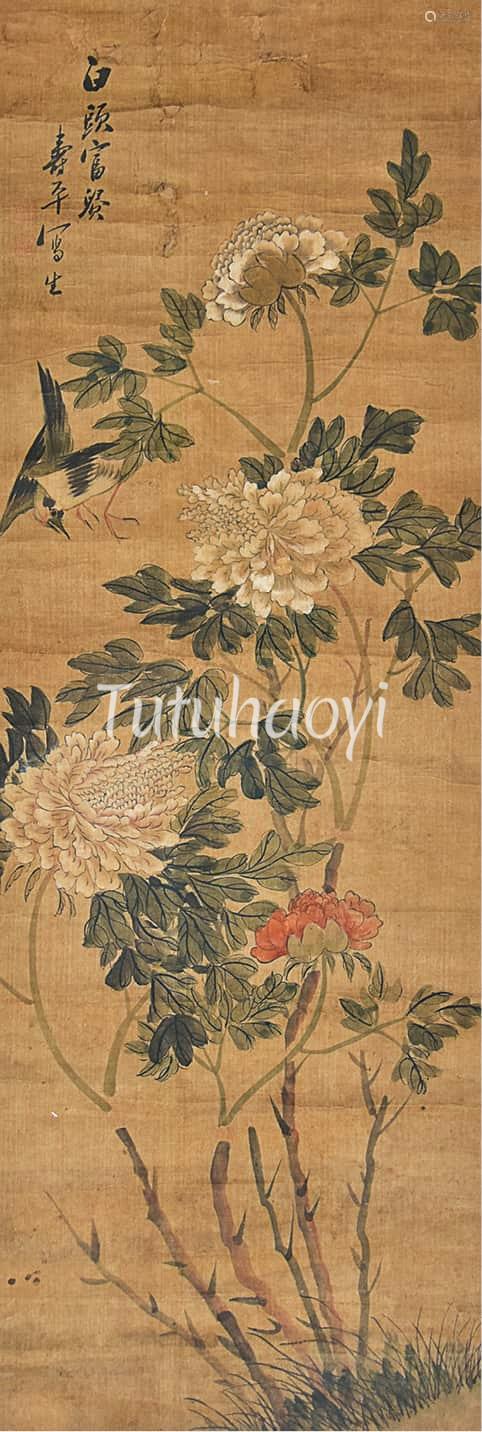
Pun Design:
Chinese bulbul + Peony
Punning Details:
– ‘bai tou 白头 white-headed’, of ‘bai tou weng 白头...
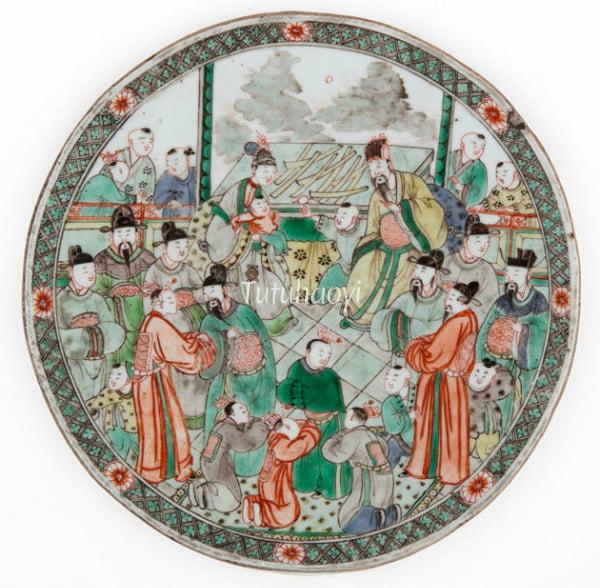
Guo Ziyi (郭子仪 697–781), a native of Huazhou 华州 (a county near present-day Xi’an 西安), was the most prominent general-statesman of the Tang dynasty. For the great part of nearly thirty years and under a succession of four different emperors, he played a key role in maintaining the stability of the country. He helped to
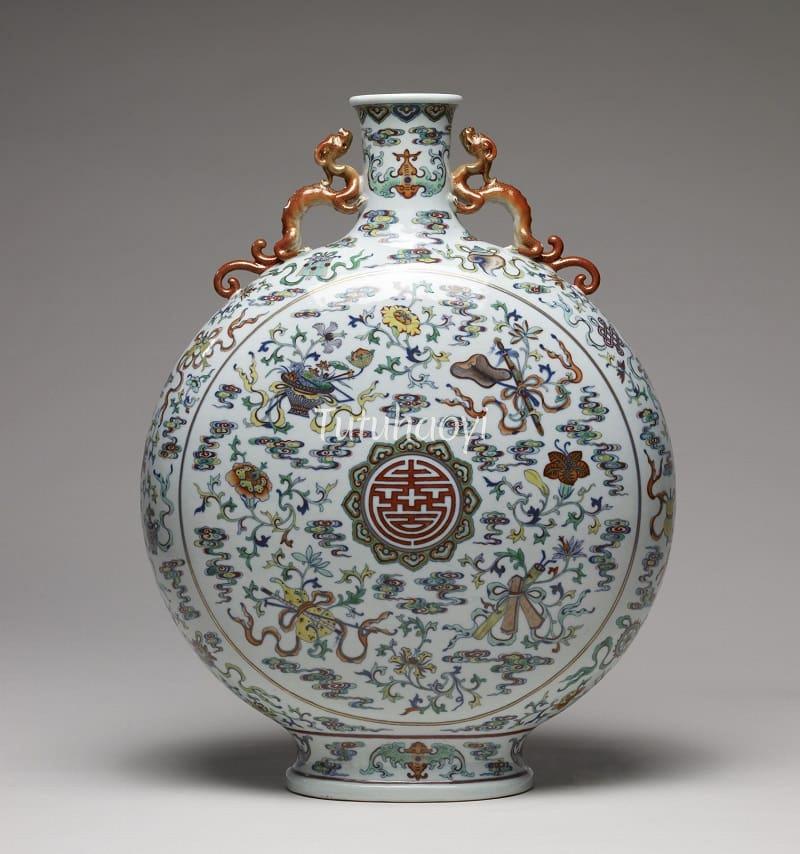
In this motif composition, the eight Daoist Immortals (ba xian 八仙) are not depicted in figural images, but rather are represented by their dist...
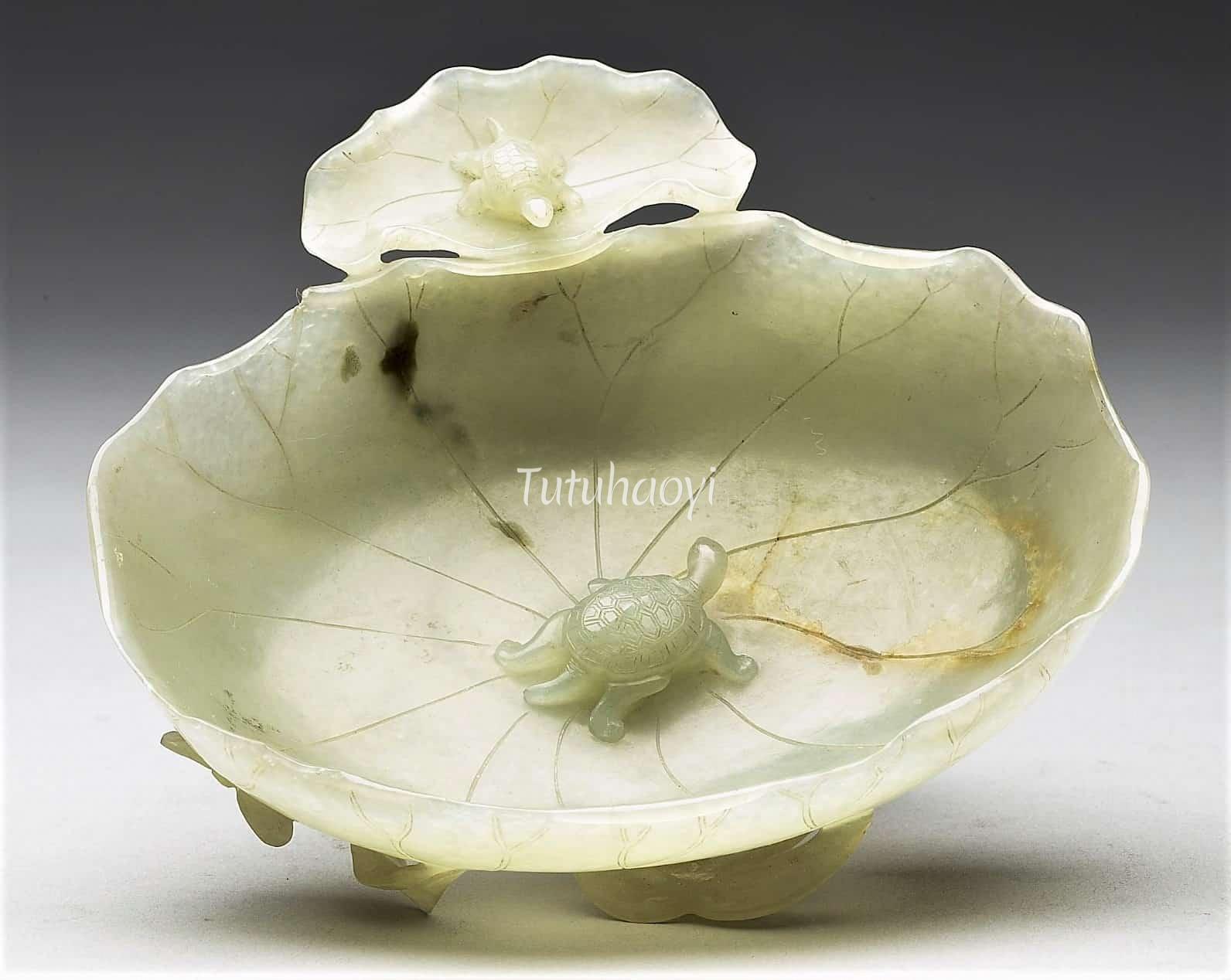
The character 龟 gui for ‘tortoise’ is explained in volume 13 of the annotated version of the oldest dictionary in China, Shuowen jiezi 说文解字注 (Explanations of Simple Graphs and Analyses of Composite Graphs). There is a quote from Liu Xiang (刘向, 77 BCE – 6 BCE), the Han-dynasty imperial librarian, i...
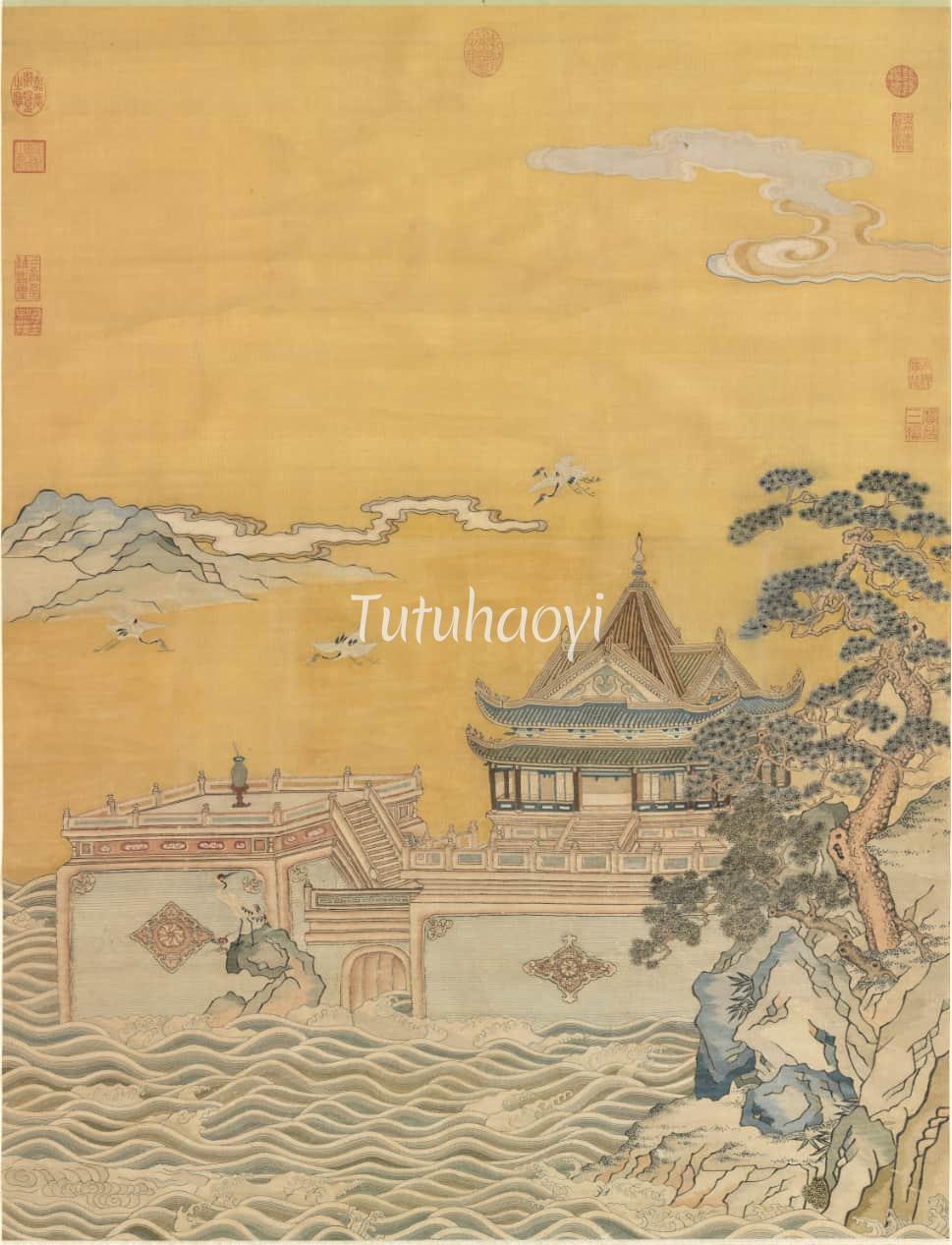
In this scene, there are several Chinese longevity symbols such as the
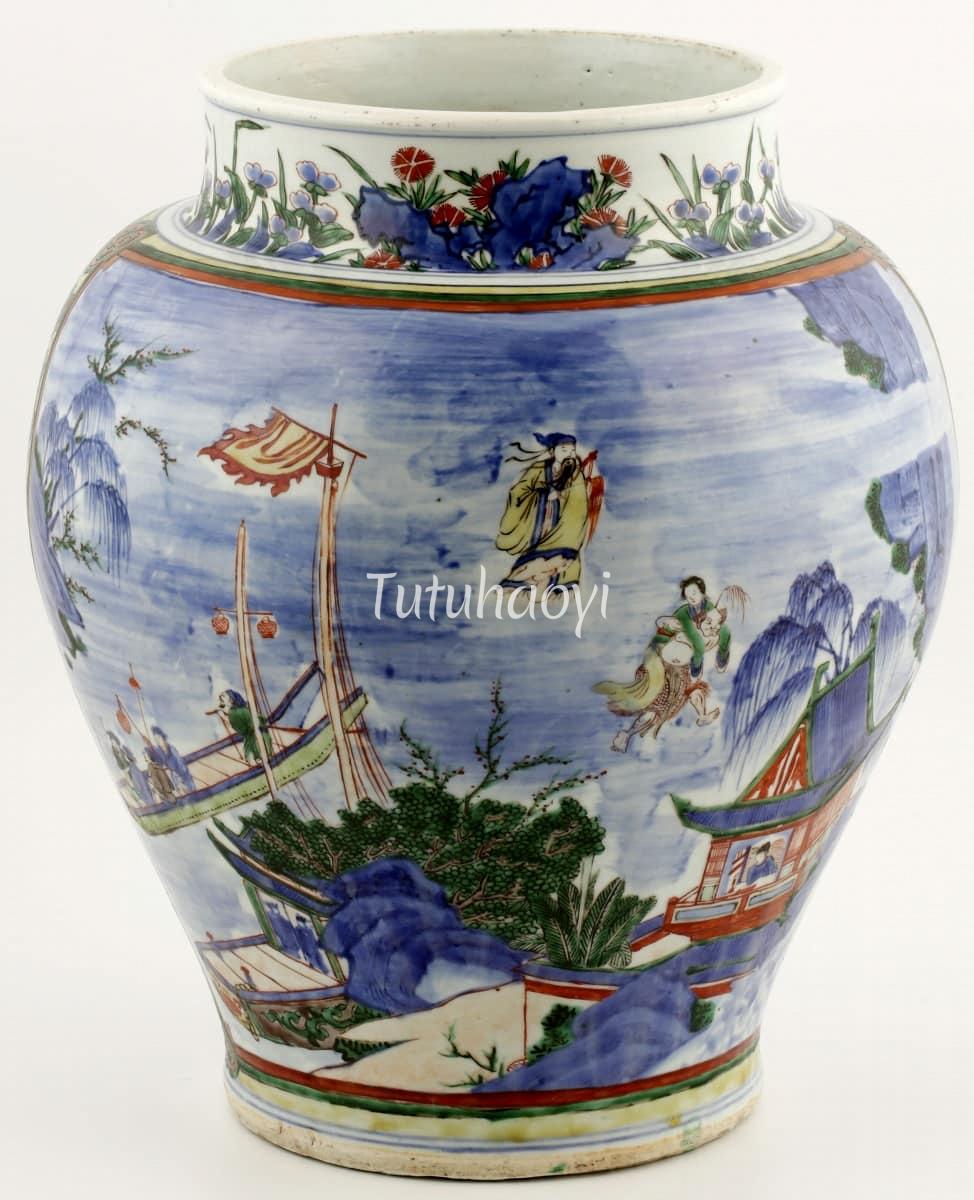
The Ming-dynasty play The Story of the Blue Robe (青袍记 Qingpao ji, also called《梁氏父子传胪记》) tells the story of how Lv Dongbin (吕洞宾 Lü Dongbin or 吕纯阳), one of the Continue Reading
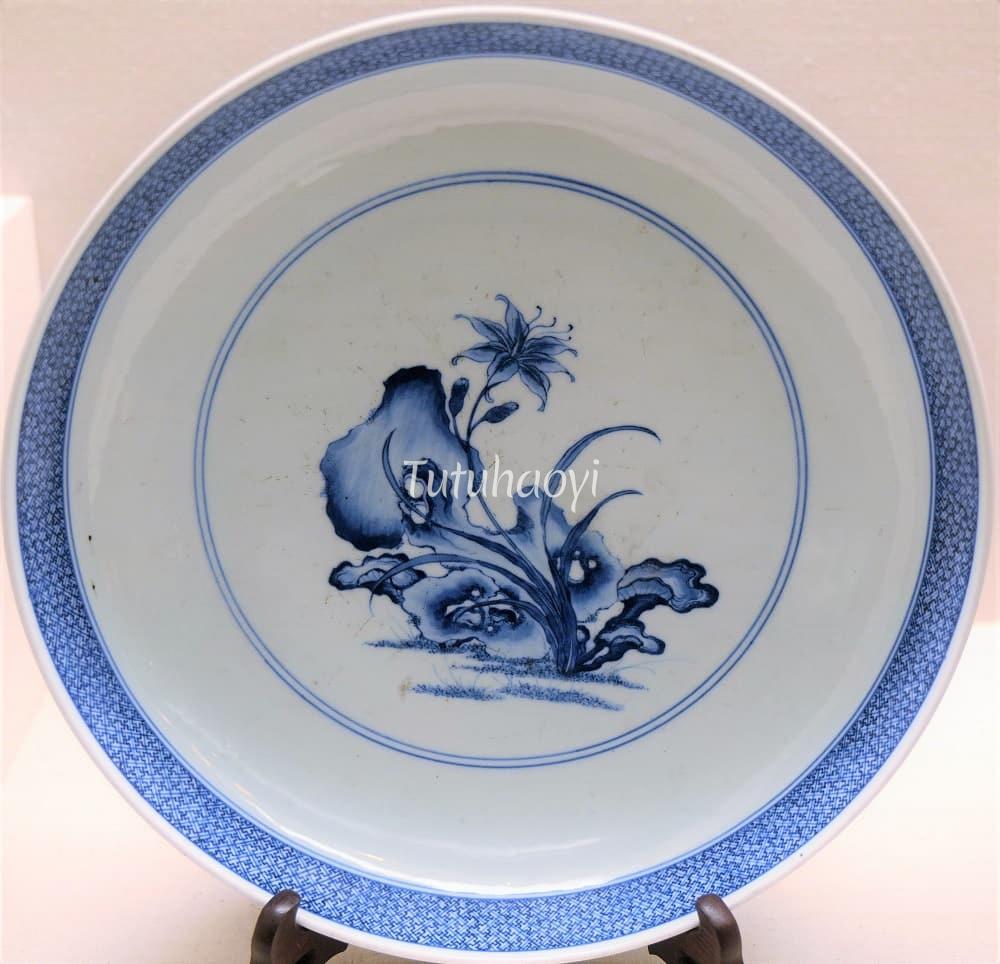
How the daylily, whose Chinese name is ‘xuan 萱’, came to become a symbol for motherhood in Chinese culture is explained in the blog ‘
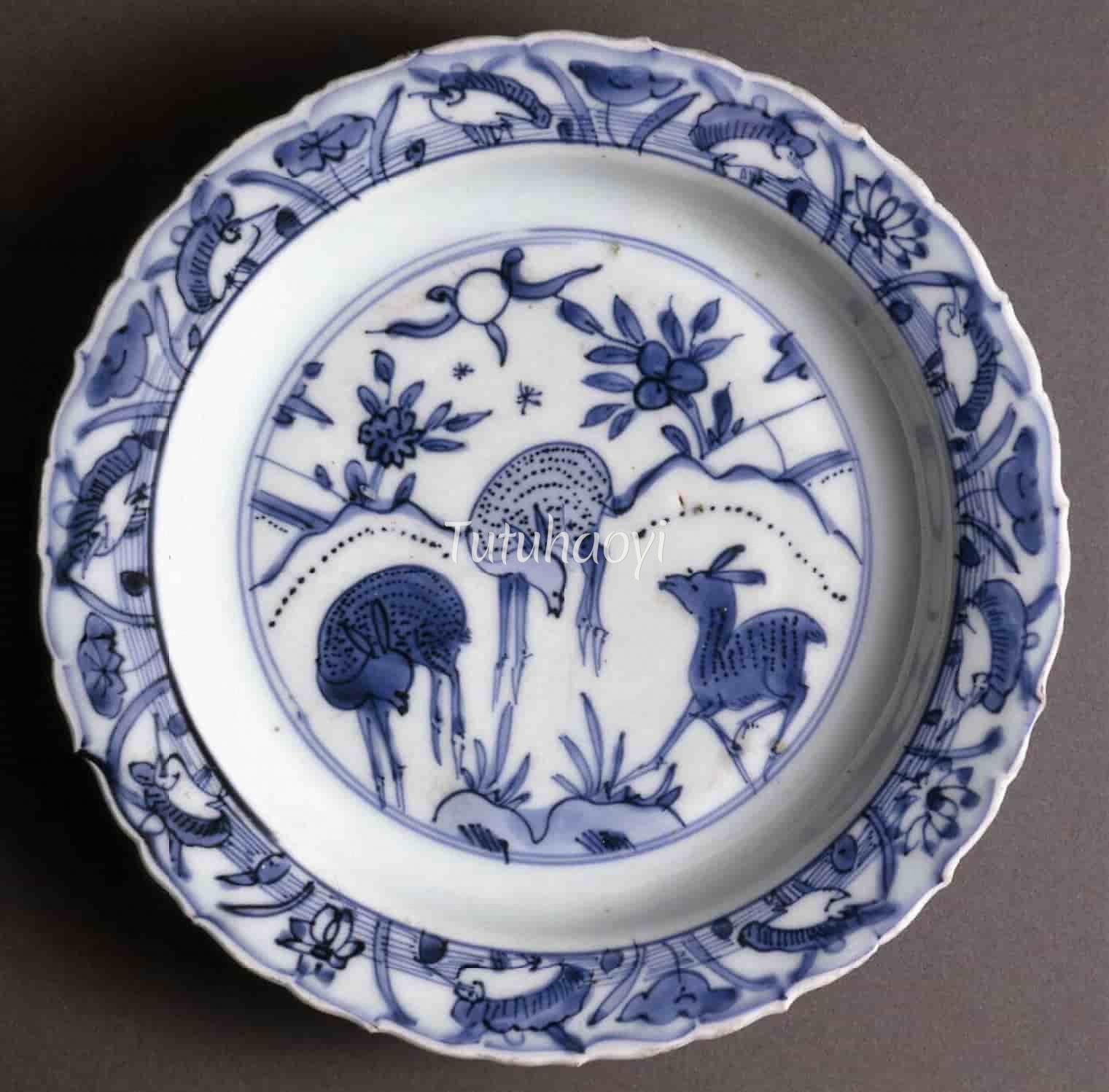
The earliest pictograph of the character 鹿 lu for ‘deer’ is found on a tortoise plastron burnt to crack for divination. Though it is by no means anatomically accurate, the pictograph exhibits the most clearly recognisable characteristics of the animal. It vividly imitates the four legs, slender head, lean body, and promi...
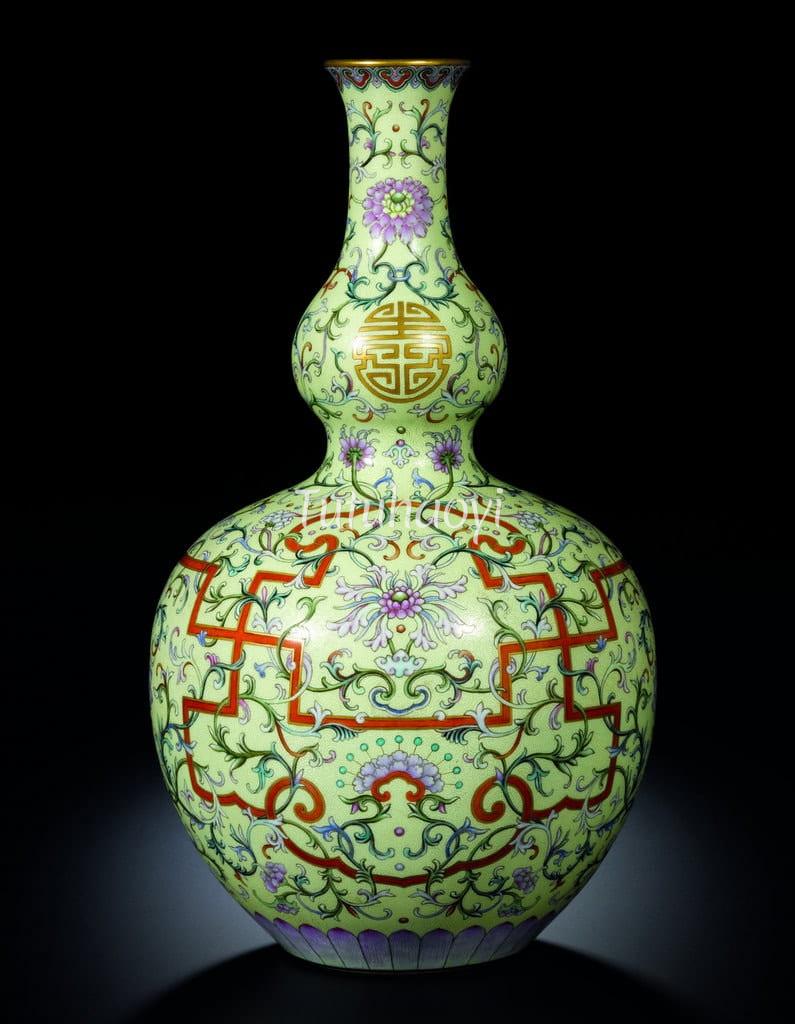
Either the clockwise swastika 卐 or the counterclockwise sauwastika 卍 is used interchangeably in Chinese decorative arts as well as in some religious contexts. Sometimes, the two opposite versions can co-occur on the same occasion without making a difference in meaning. Swastika is a very old symbol in the cultures scatte...
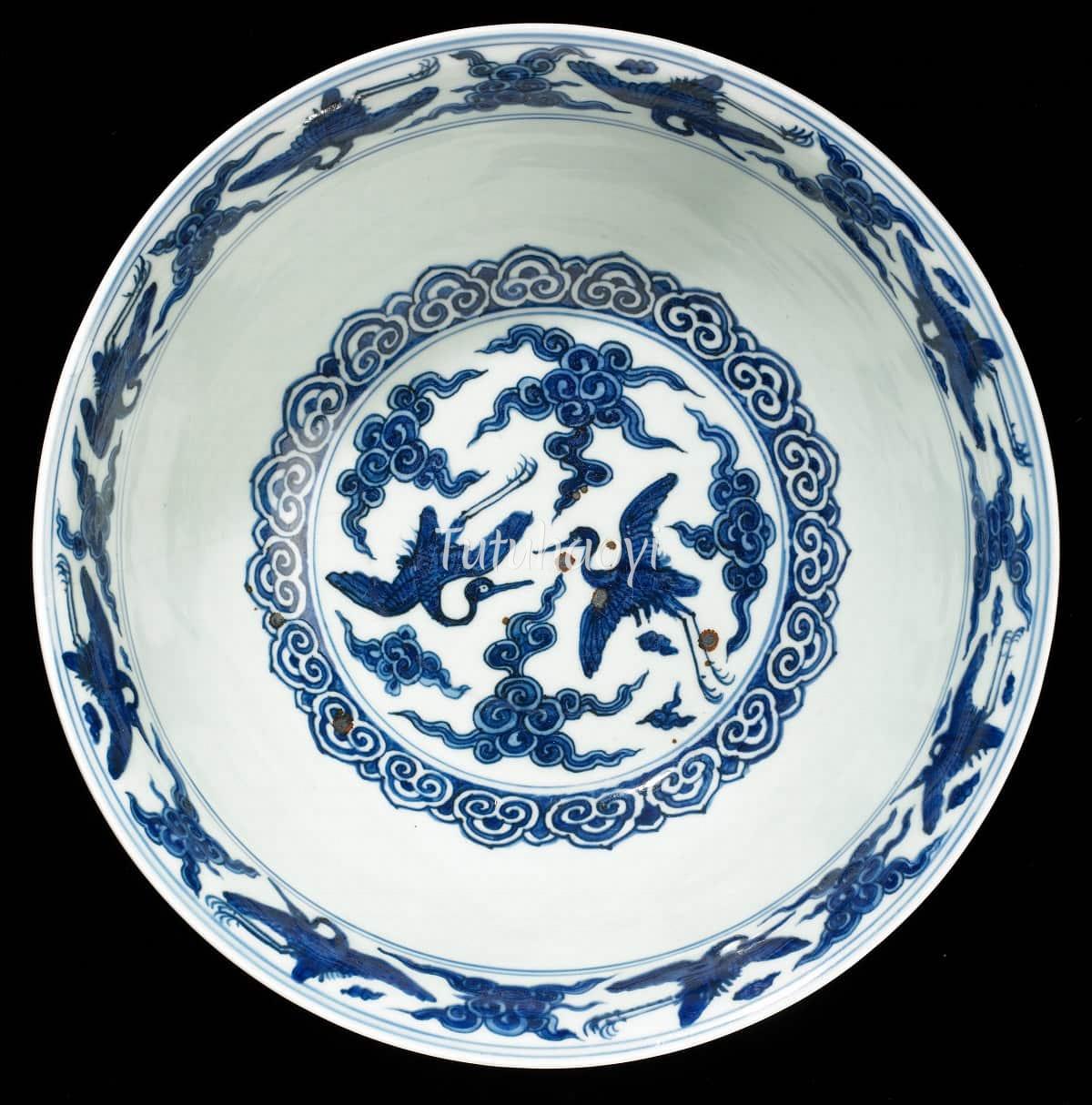
According to the oldest dictionary in China, Shuowen jiezi 说文解字 (Explanations of Simple Graphs and Analyses of Composite Graphs), the earliest version of the character for ‘crane’ is a composite graph consisting of a pictograph for a bird, the present-day character niao 鸟, at the right, with feet and a ...
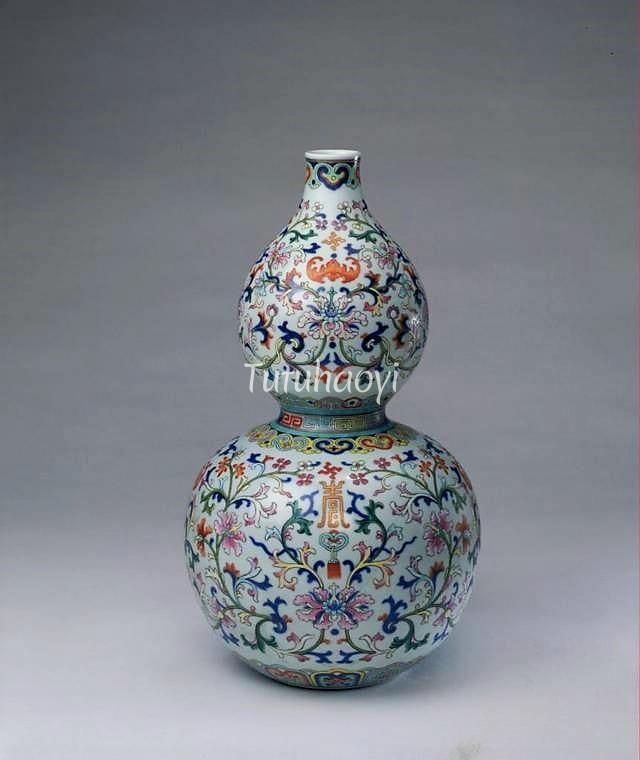
When swastika is combined with the Chinese character Continue Reading
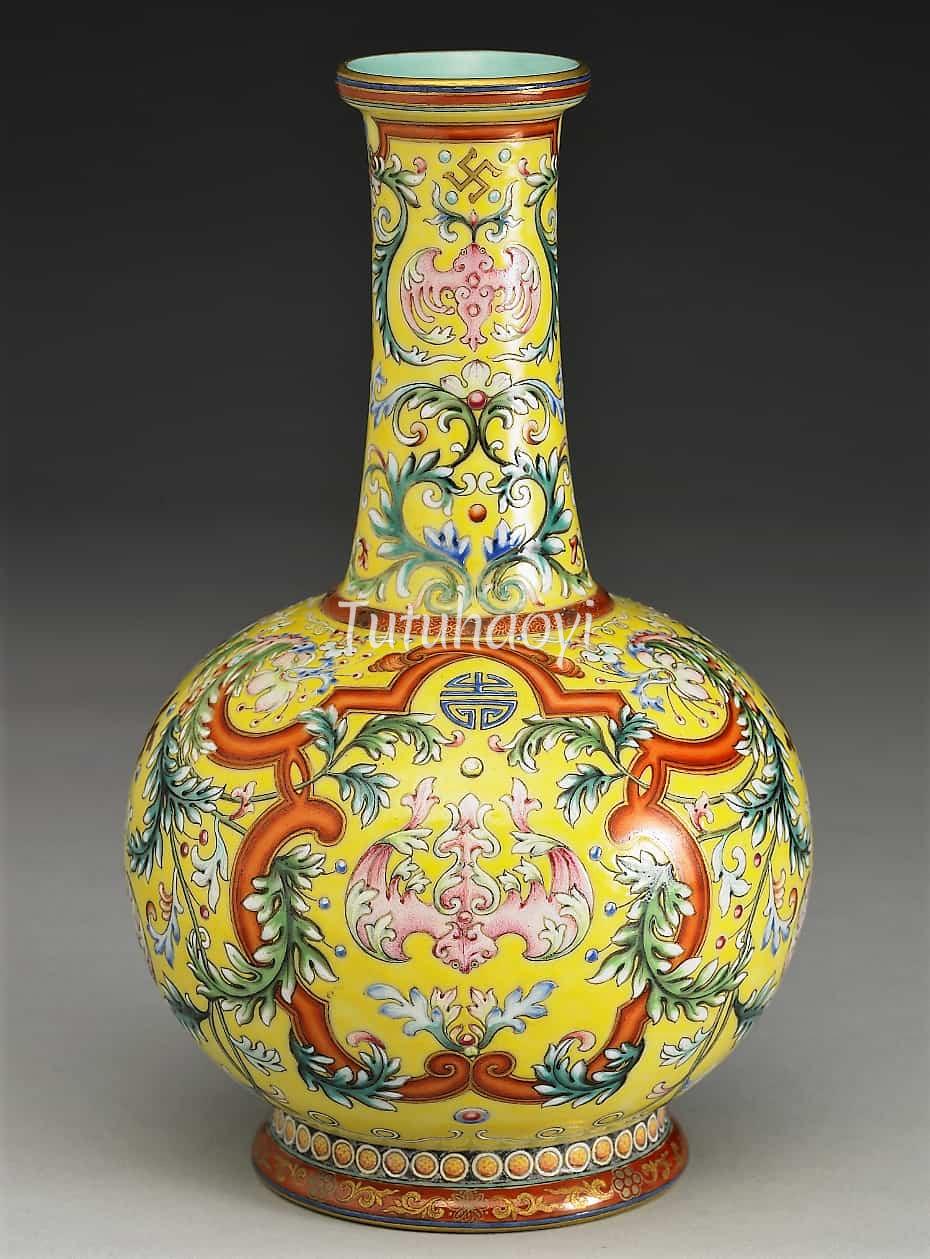
Either the clockwise swastika 卐 (sounding ‘wan’ 万) or the counterclockwise sauwastika 卍 is used interchangeably in Chinese decora...
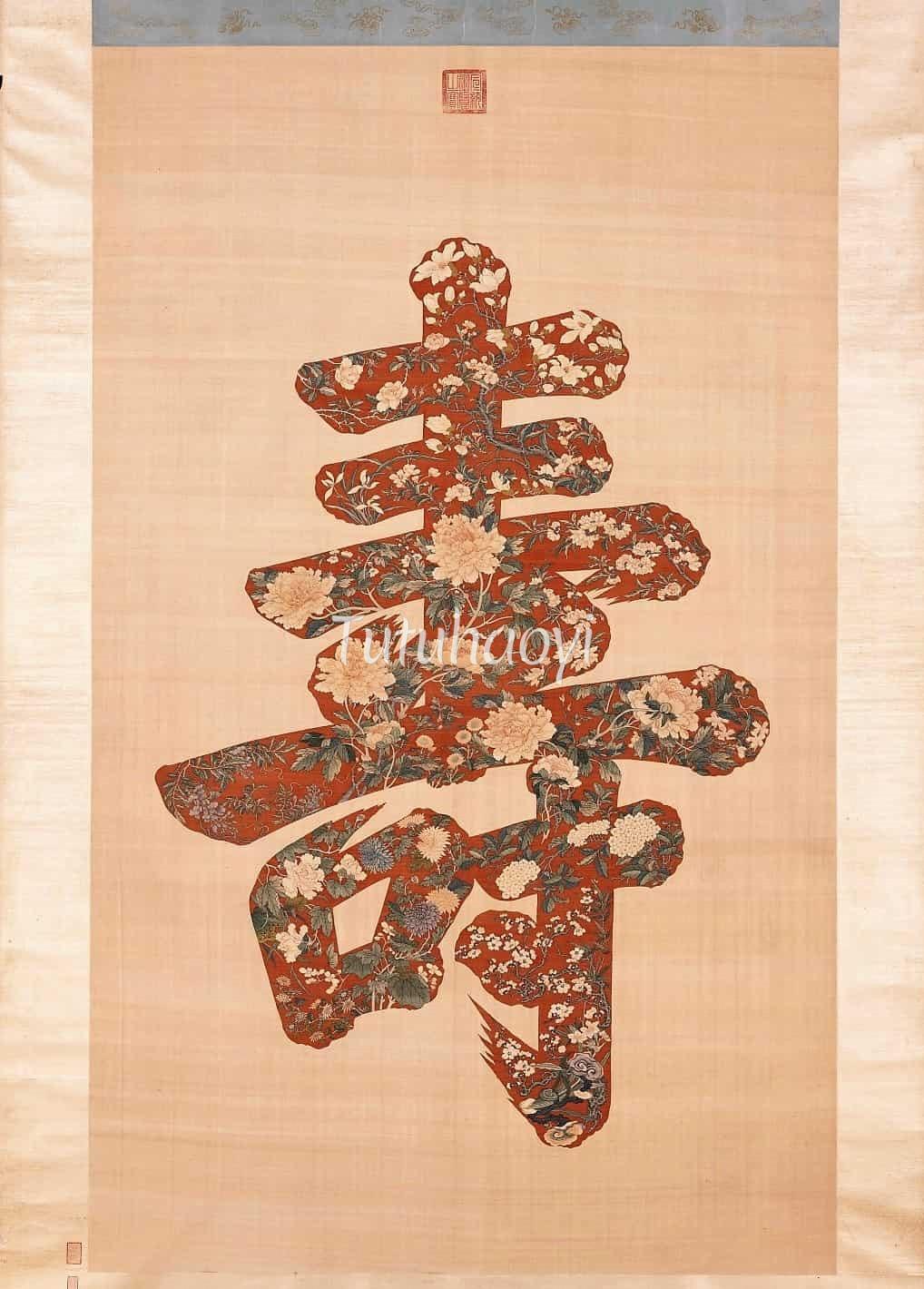
The Chinese deeply respect the elderly and consider a long existence – ideally accompanied by health and happiness – to be one of the five most important blessings (wufu 五福) in a person’s life, which were believed by the ancients and recorded in the Book of Documents 书经 in the Zhou Dynasty (...
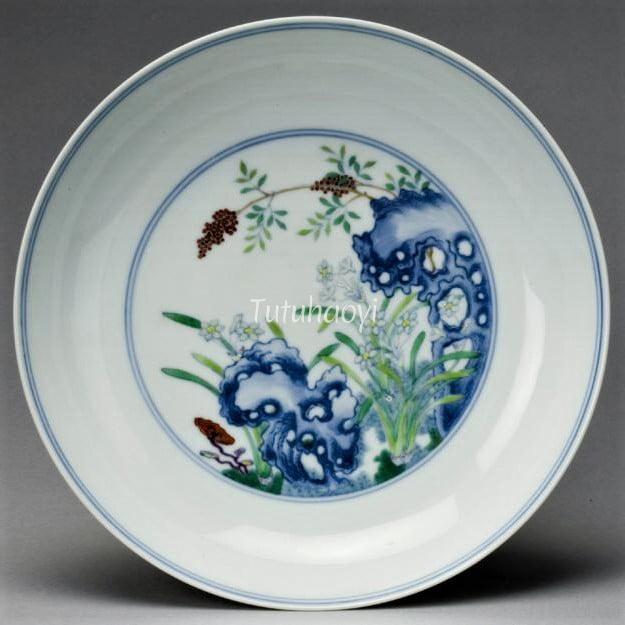
The Chinese character ‘tian 天’ from the phrase ‘tianzhu 天竹’ for ‘nandina’ is both a homophone and homograph of the character ‘tian 天’ for ‘heaven’. The character ‘xian 仙’ in the phrase ‘shuixian 水仙’ for ‘narcissus’, is both a homophone and homograph of the character ‘xian<...
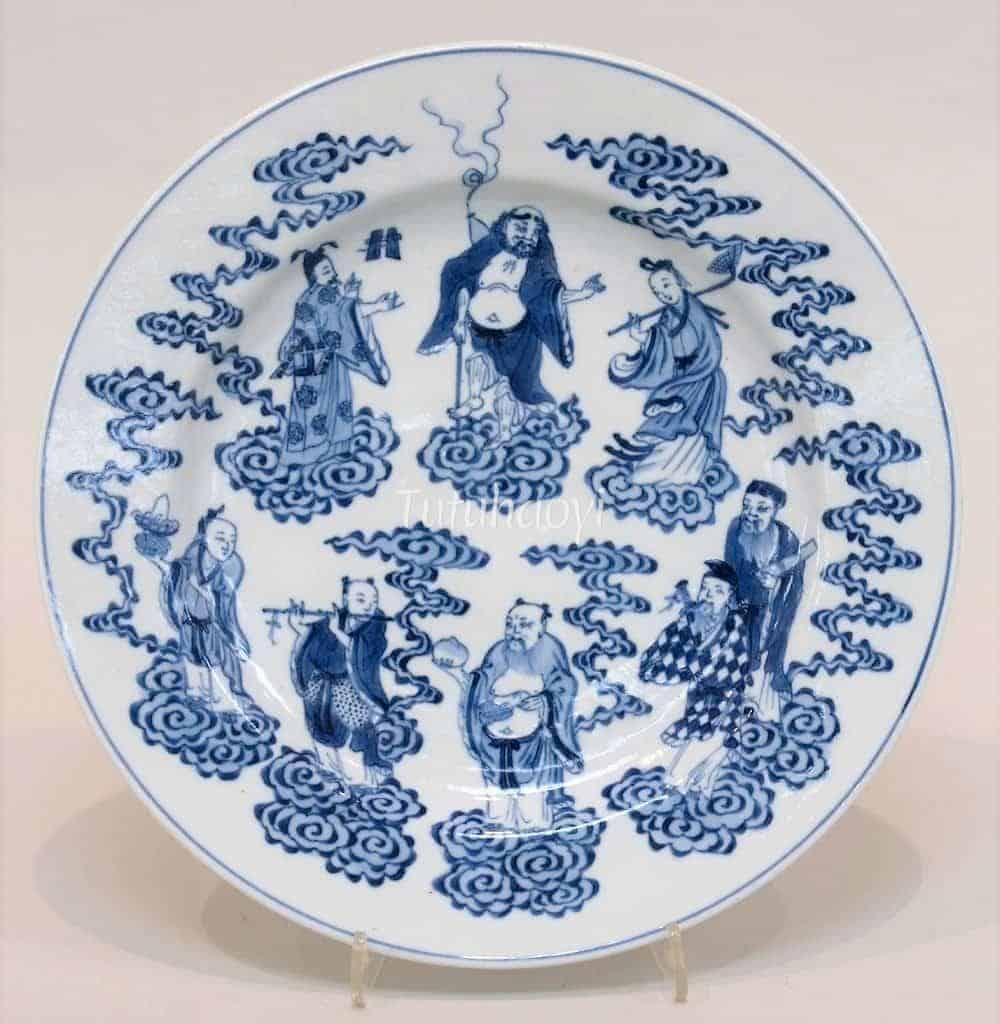
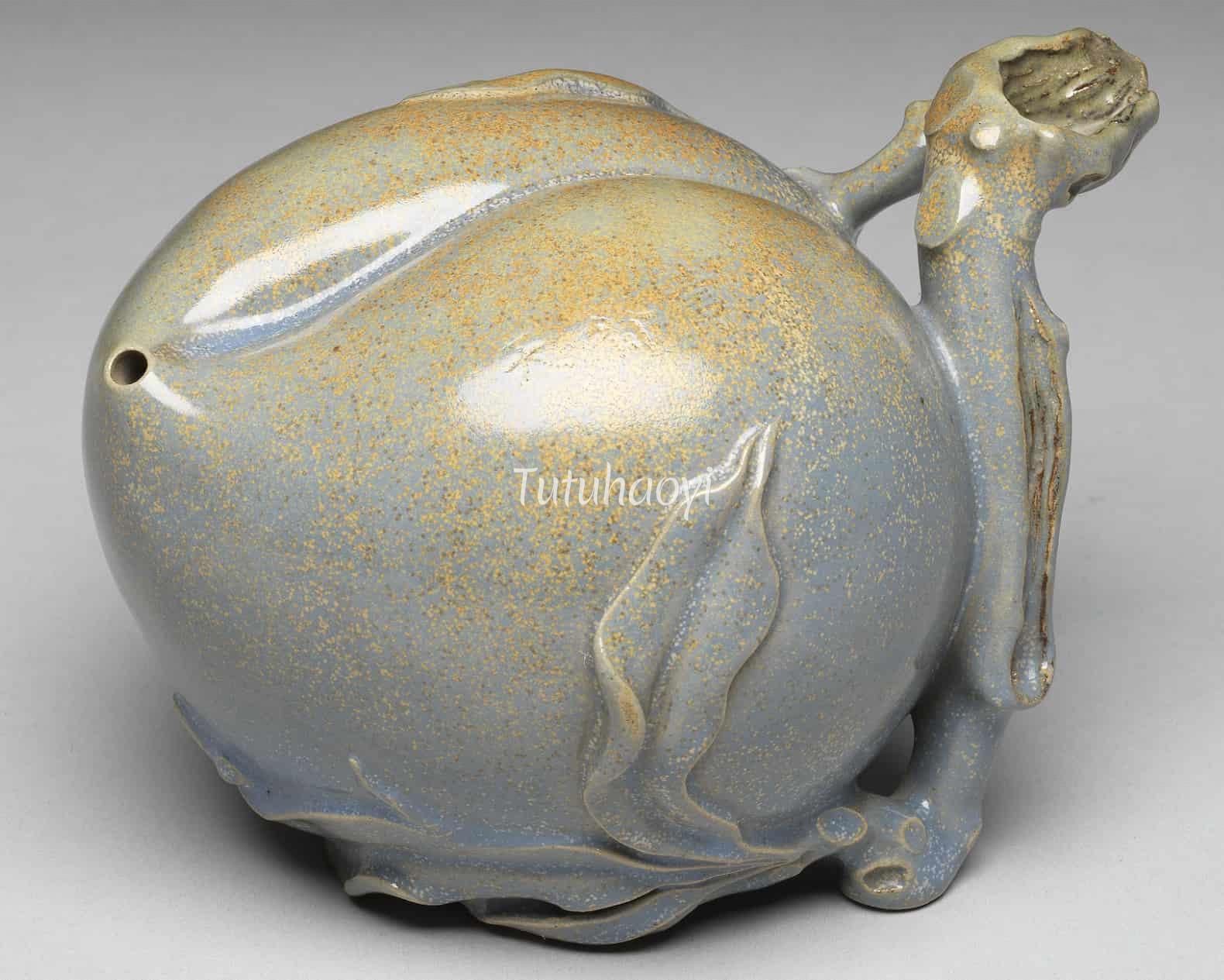
The peach fruit usually symbolises longevity or immortality in Chinese pictorial art. The origin of this idea started from legends dating back to the third century. Read Dr Yibin Ni...
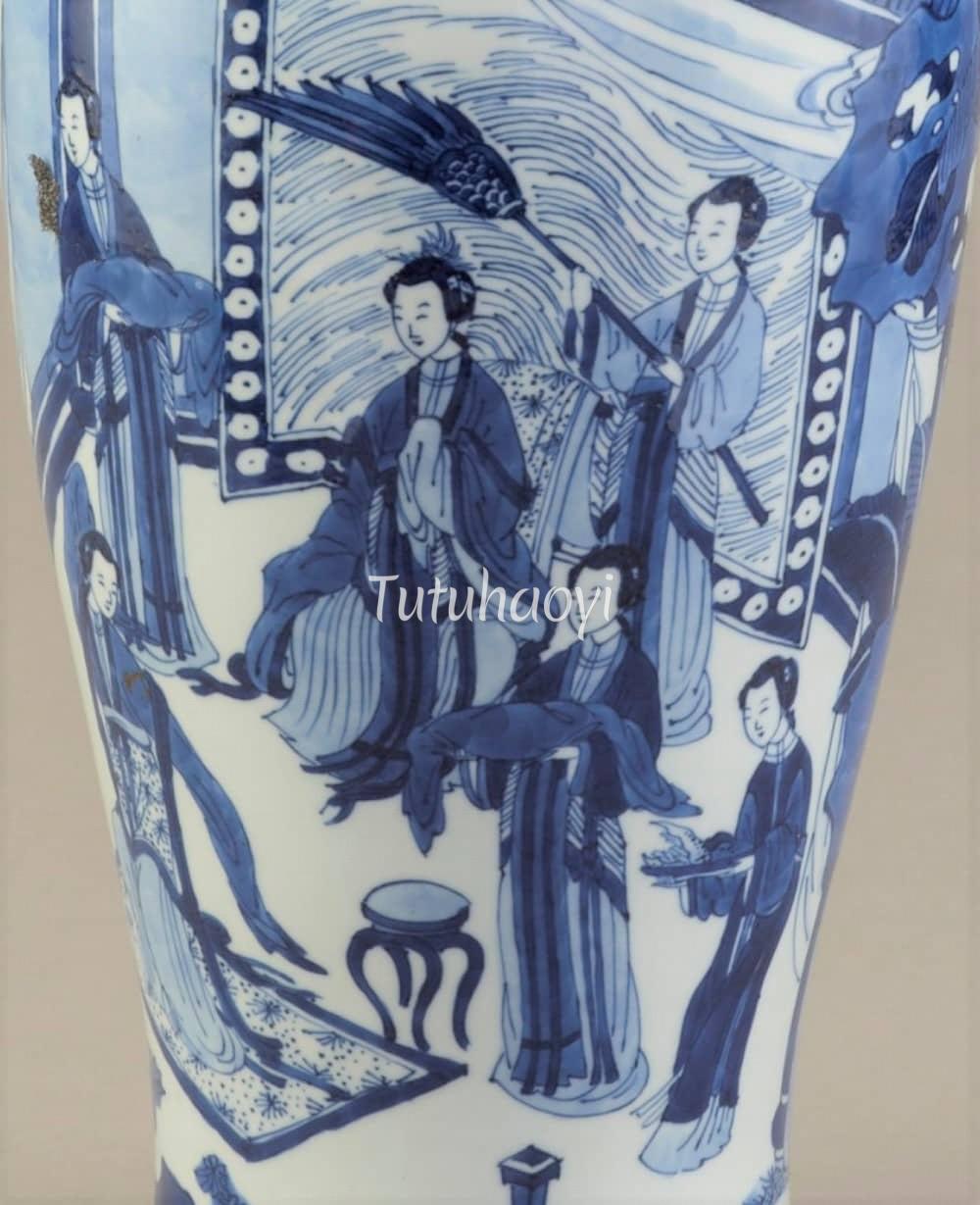
In Zhuangzi (庄子), an ancient Chinese text from the late Warring States period (476–221 BCE) and one of the two foundational texts of Daoism, the Queen Mother of the West (Xiwangmu 西王母) was mentioned as a deity who ‘obtained the Dao (the Way)’. According to the Scripture of Great Peace (Tai...
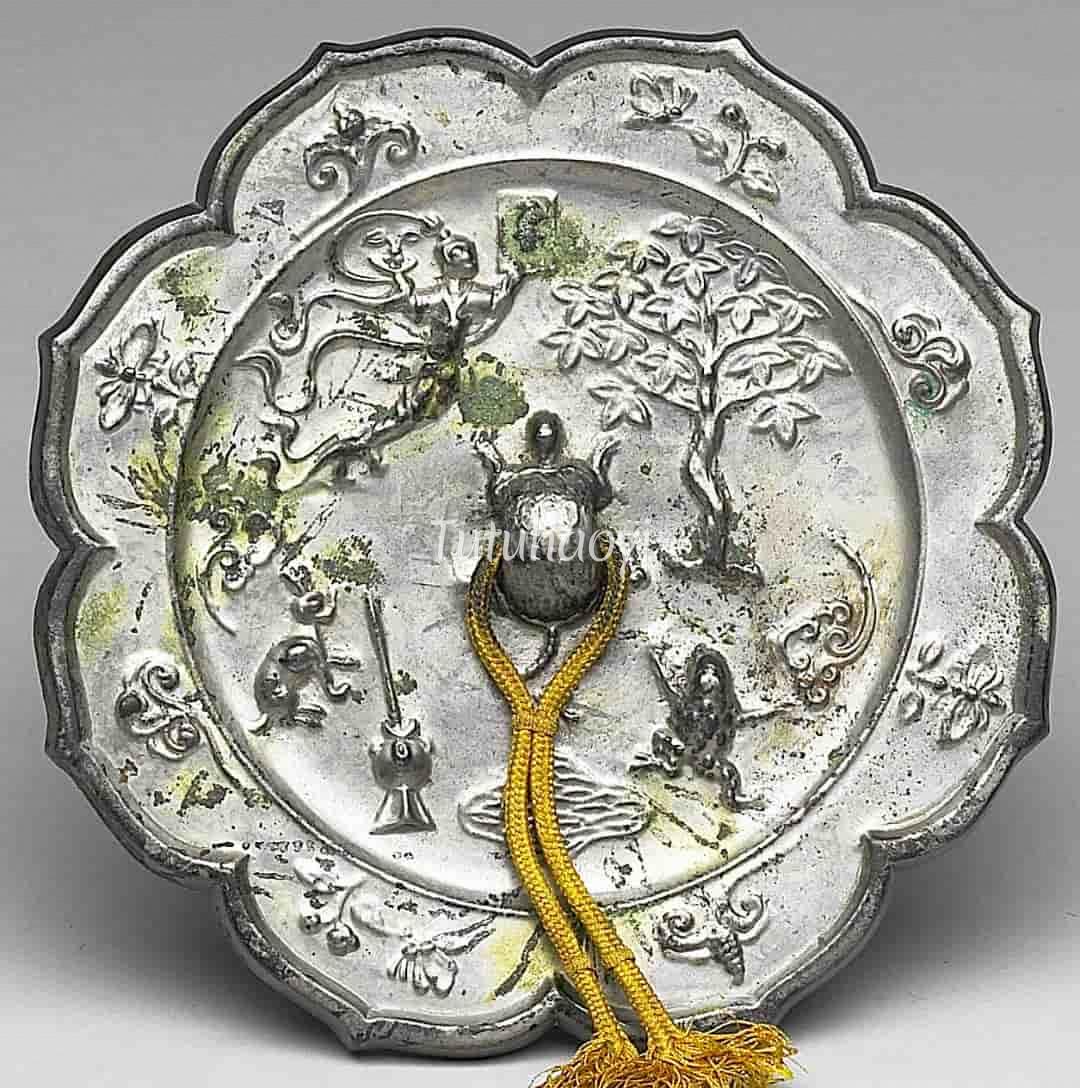
The Mid-Autumn Moon Festival falls on the night of full moon in the eighth lunar month. Chang’e, the Moon Goddess, is usually associated with this family-union occasion, together with the festival food – the moon cake (月饼). A legend recorded in an ancient Chinese book, The Huainanzi (淮南子 The Discourses of the Hu...
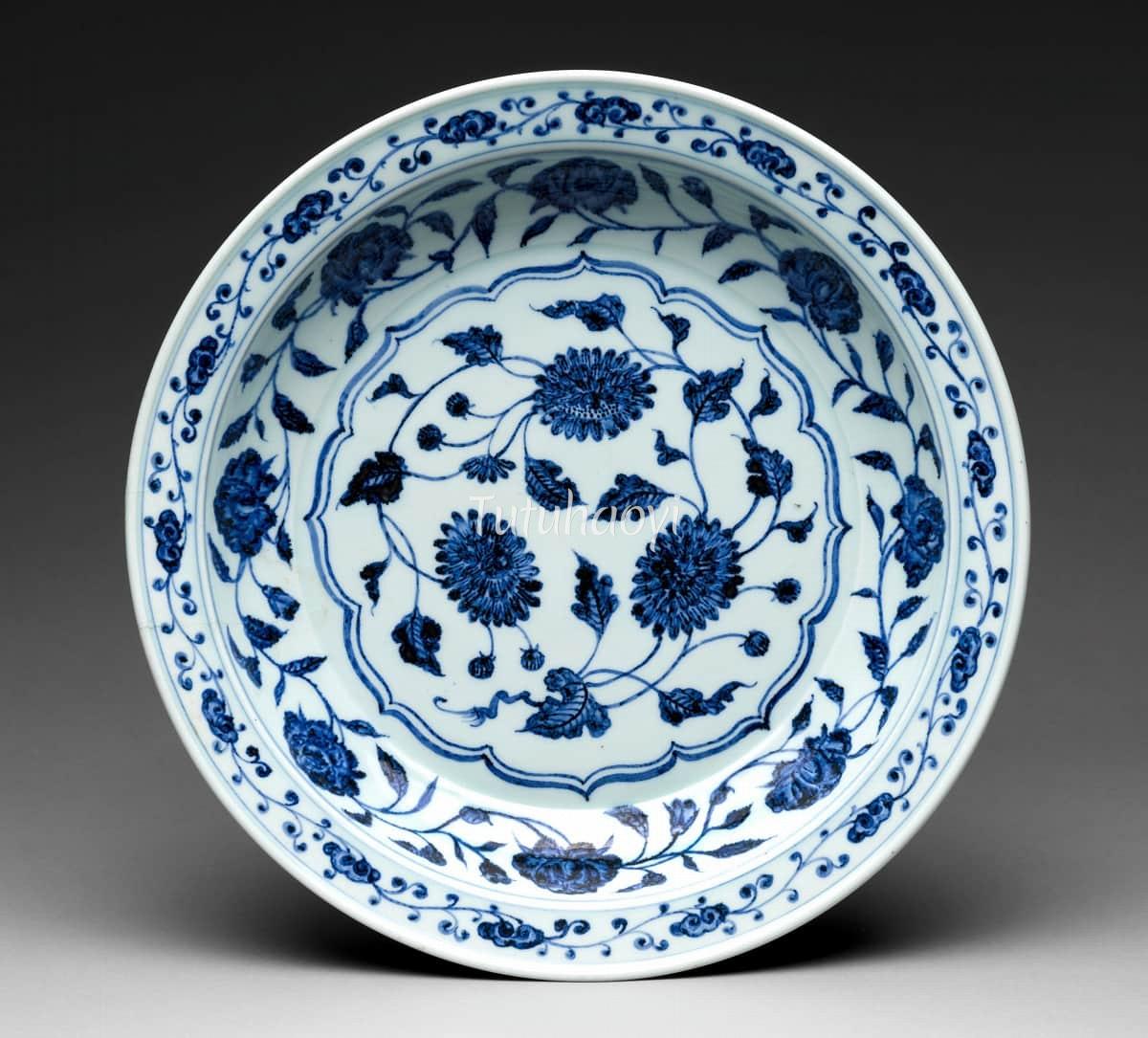
Chrysanthemum (Chrysanthemum morifolium, 菊花 júhuā) joins the esteemed ranks of plum blossom, orchid, and bamboo as one of the ‘Four Gentlemen of Flowers’ – 四君子花 (sì jūnzǐ huā) in China. Just like peoni...
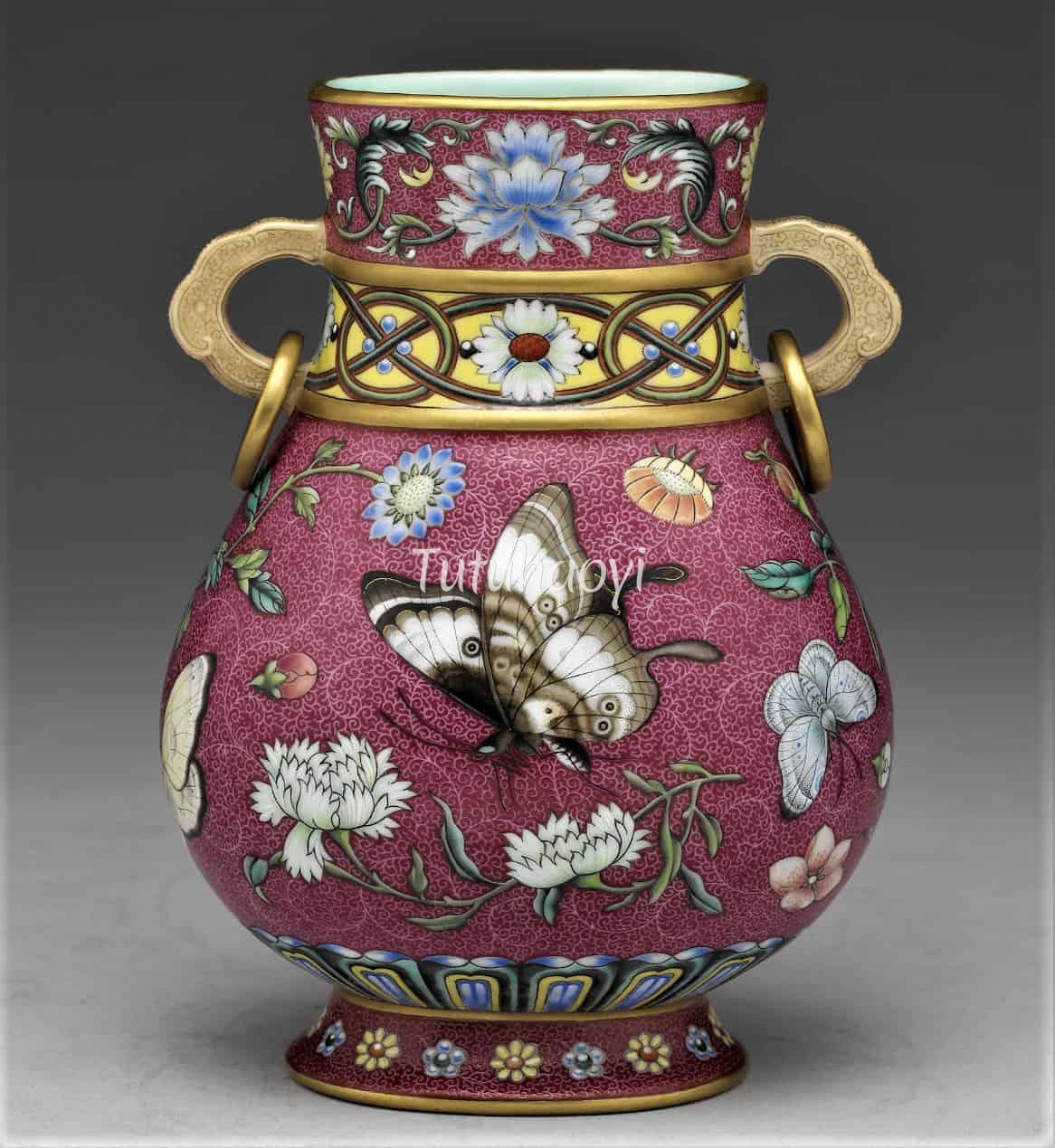
‘Dié 蝶’ from hú dié 蝴蝶, the Chinese character for ‘butterfly’, can be used to pun on ‘dié 耋’, meaning ‘octogenarian’ in the phrase ‘Ma...
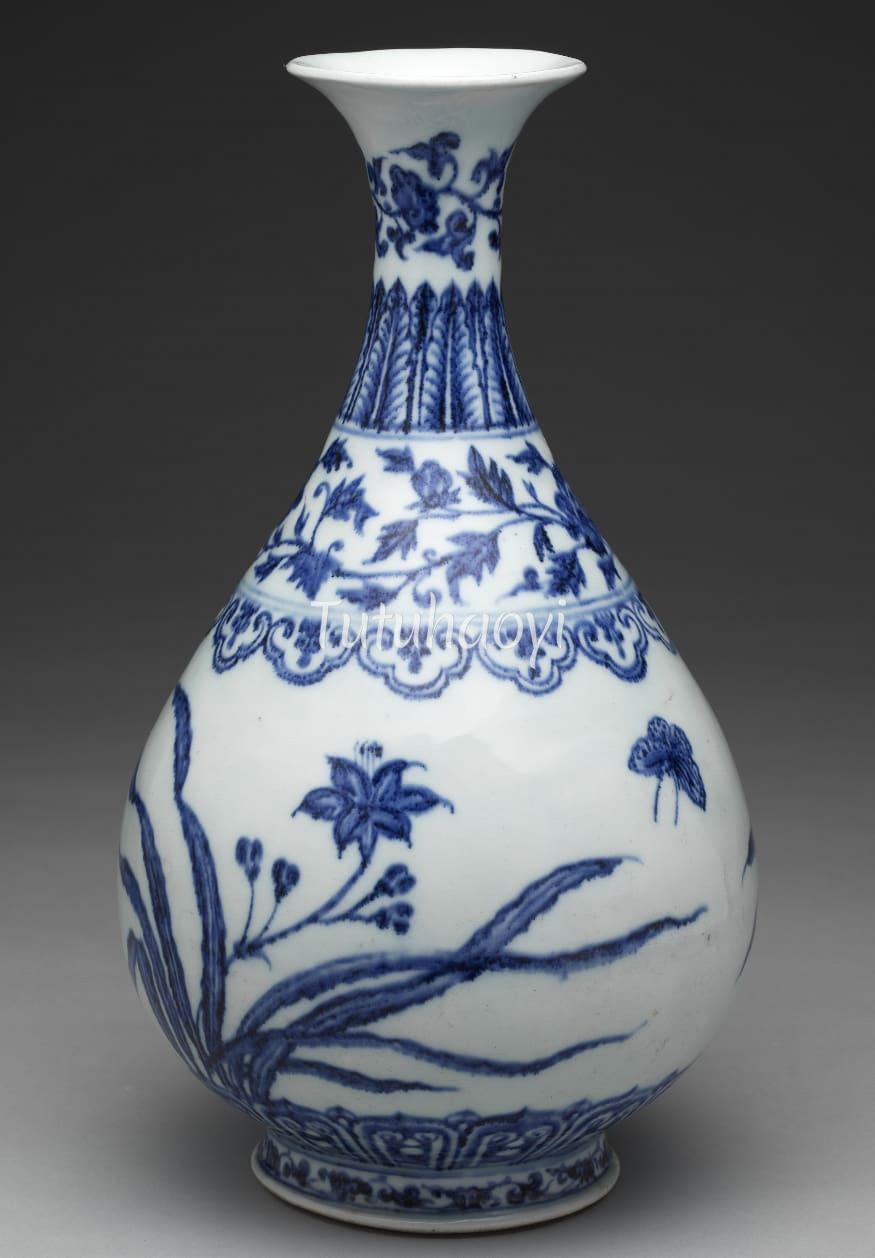
Lily flowers and butterflies form a pun rebus picture known as ‘Xuān Dié Tú 萱耋图’, meaning ‘May mother live up to a ripe old age’. ‘Xuan 萱’ in the picture...
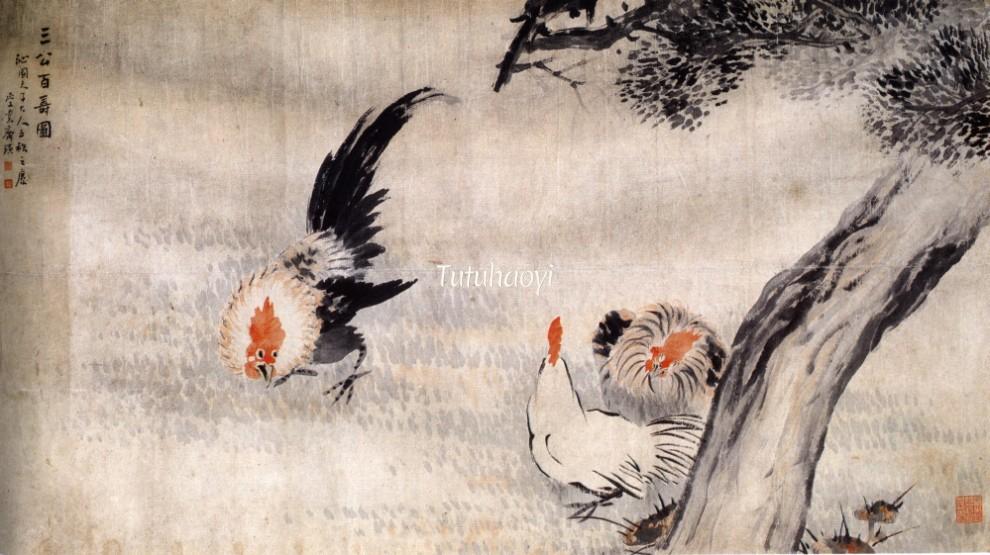
‘San gong 三公’ are the ‘Three Top Lords in the Imperial Court’. The ‘gong 公’ from the Chinese name ‘gong ji 公鸡’ for ‘rooster’ puns on the Chinese name for ‘lord’ and three roosters in the picture represent the three top lords, which are the three top positions in the imperial court. The Chinese ...
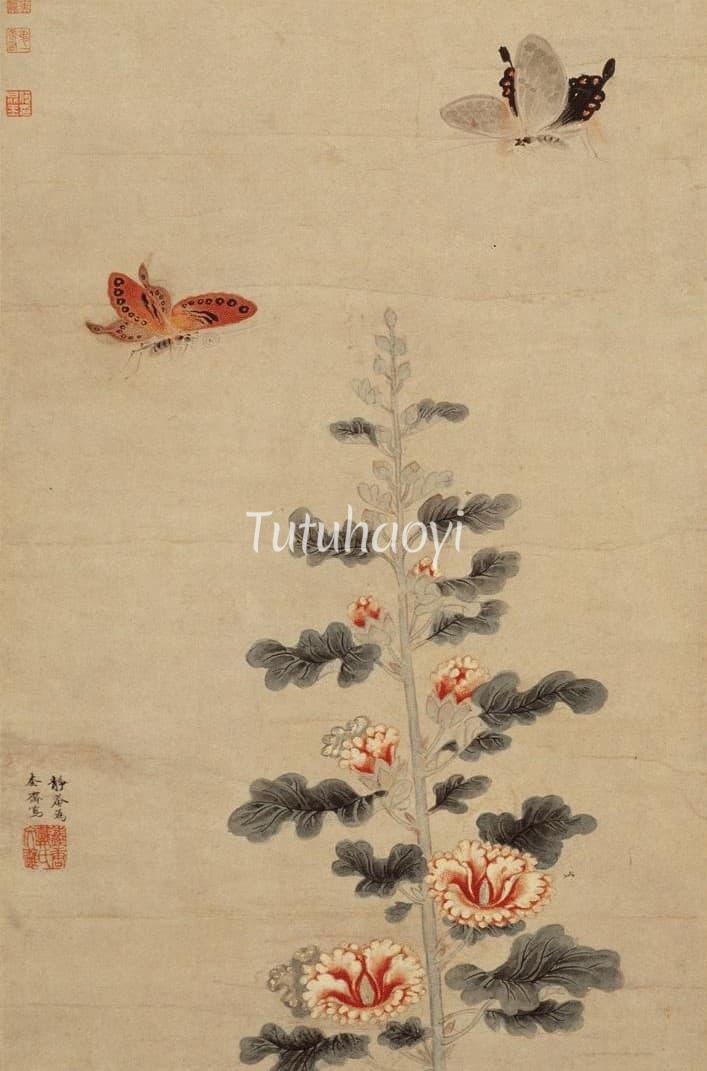
The primary symbolic meaning of the hollyhock (shu kui 蜀葵) is the good wish for longevity. The secondary implication is based on the perennially sun-facing nature of the hollyhock. In the old days, people compared their emperor or statesman to the sun and themselves to the hollyhock, implying that they would alw...